2026 Top Live Event Lighting Types for Global Buyers?

Time:2026-09-17 Author:Oliver
0%

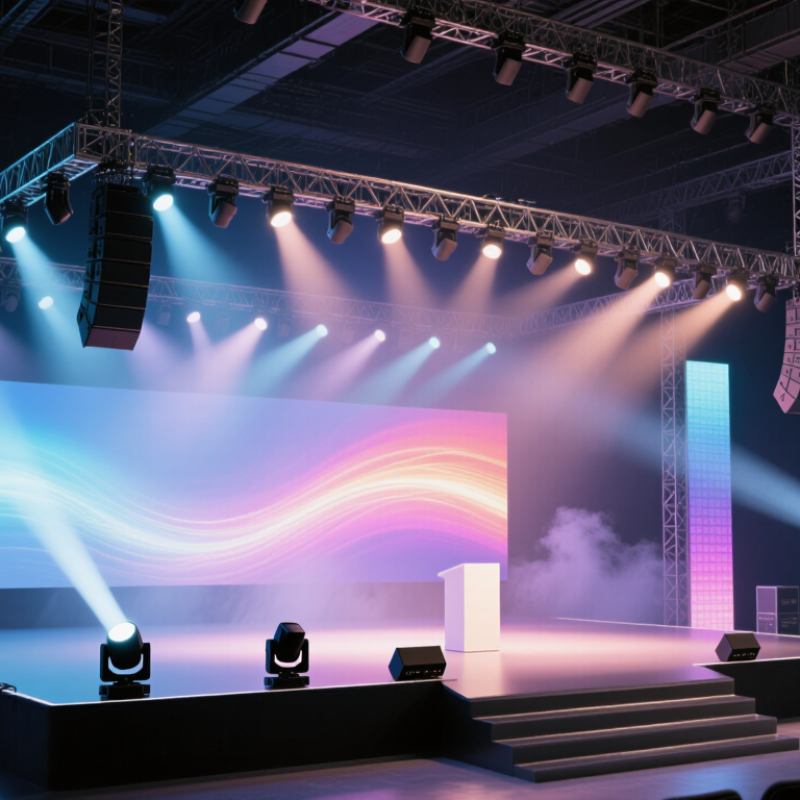
In 2026, Live Event Lighting will shape how audiences experience concerts, festivals, exhibitions, sports, and corporate shows. Global buyers need more than bright fixtures. They need dependable tools for changing venues, climates, production styles, and budgets.

This guide examines moving lights, LED wash fixtures, profile spots, followspots, beam effects, pixel bars, and intelligent control systems. Each type serves a different visual and operational purpose. A moving-head beam can cut through haze during a concert. An LED wash can color a wide stage evenly. A profile fixture can frame a speaker without spilling light onto projection screens.

Real purchasing decisions often happen under pressure. A supplier may promise high output, yet overlook fan noise, color consistency, service access, or shipping protection. That matters when equipment travels from a dry exhibition hall to a humid outdoor stage. It also matters when operators need fast fixture replacement during a live program.

Technical specifications deserve careful comparison. Buyers should review lumen output, color rendering, zoom range, IP rating, power requirements, control protocols, and warranty coverage. Local electrical rules and venue safety requirements must also be verified before purchase. Standards differ across markets.

Predictions remain imperfect. New products may appear quickly, while familiar fixtures often deliver greater reliability. Experienced buyers balance innovation with proven field performance, responsive technical support, and documented testing. This overview offers a practical framework for evaluating lighting types in 2026. The right choice is rarely the most dramatic fixture. It is the one that performs consistently when the audience is watching.

2026 Top Live Event Lighting Types for Global Buyers?

Live Event Lighting: Definition, Purpose, and Core Equipment

Live event lighting is the planned use of light to shape visibility, mood, movement, and audience attention. It includes stage fixtures, control systems, power distribution, cabling, rigging, and atmospheric effects. The 2024–2028 Global Entertainment and Media Outlook projects global live music revenue to grow from about US$33 billion in 2023 to US$38 billion in 2028. More events mean greater demand for reliable lighting systems.

The purpose is not simple brightness. Front light reveals performers, backlight adds depth, and moving fixtures create visual rhythm. LED wash lights suit broad color coverage, while profile fixtures produce sharp beams and controlled patterns. A lighting console coordinates intensity, color, movement, and timing through DMX or network protocols. Outdoor buyers should also check IP ratings, operating temperature, voltage compatibility, and transport weight.

Small details matter. In venue assessments, I inspect cable paths, emergency access, fixture heat, and backup control options. A brighter rig is not automatically better. My own early setups sometimes used too many moving fixtures, creating glare and distracting shadows. That mistake still deserves attention. A 2023 professional event technology survey found that reliability and technical support rank among buyers’ key purchasing concerns. Therefore, global purchasers should examine service documentation, safety certifications, spare-part access, and real power consumption. Cheap equipment can become expensive when a single failed fixture delays a live program.

Major Types of Live Event Lighting for 2026

Major Types of Live Event Lighting for 2026

In 2026, live event lighting is becoming more flexible, efficient, and camera-ready. Moving head lights create sweeping beams, sharp aerial effects, and fast scene changes. Profile fixtures produce clean edges for performers, logos, and stage scenery. Wash lights add broad color across backdrops, trusses, and audience areas. They are practical workhorses.

LED bars and pixel fixtures build rhythmic lines around stages, stairs, and video screens. Followspots still matter when a speaker or performer must remain visually clear. For theater, soft Fresnel lights provide natural skin tones and controlled shadows. Outdoor events need weather-resistant fixtures with suitable IP ratings. Indoor shows need quiet cooling, especially in theaters and conference rooms.

Experienced buyers should check brightness, color consistency, flicker performance, and control compatibility. High CRI or TLCI ratings can improve broadcast images, but numbers alone do not guarantee good results. Test the fixtures with real cameras. A light may look impressive in person and appear harsh on screen. Power distribution, rigging weight, spare units, and repair access also affect the purchase. I have seen teams select powerful fixtures, then struggle with noise, heat, or complicated programming. More output is not always better. A balanced package usually combines beam, profile, wash, and pixel lighting for dependable control.

2026 Top Live Event Lighting Types for Global Buyers? – Major Types of Live Event Lighting for 2026

Lighting Type Primary Function Typical Light Source Common Beam / Coverage Typical Color Capability Best-Fit Events Key Buying Considerations
LED Profile / Ellipsoidal Fixture Precise front light, stage-area illumination, and projection of shutters or gobos High-power white LED engine Fixed or zoomable spot; commonly about 15°–50° Usually fixed white; some models provide variable white or color mixing Theatre, conferences, ceremonies, broadcast, corporate stages Beam-edge quality, optical sharpness, color temperature, shutter accuracy, noise level
LED Fresnel Soft, adjustable wash for people, scenery, and stage zones White LED or RGBW LED engine Soft-edged zoom beam; often about 15°–60° White, variable white, RGBW, or RGBA depending on configuration Live theatre, touring productions, television, hybrid events Evenness, skin-tone rendering, fan noise, zoom range, power efficiency
LED PAR / Wash Fixture General stage wash, color fills, and architectural accent lighting RGB, RGBW, RGBA, or white LED arrays Wide wash; commonly about 15°–60°, depending on lens or model Full-color mixing; many units also offer white and amber channels Concerts, festivals, weddings, exhibitions, small and medium stages Color consistency, beam uniformity, flicker performance, weather protection for outdoor use
LED Moving-Head Spot Moving beams, pattern projection, aerial effects, and focused stage looks High-output LED engine with optical framing or gobo system Narrow to medium zoom; often approximately 5°–50° White beam with color wheel, CTO, and interchangeable gobos Concerts, touring shows, award ceremonies, large corporate events Pan/tilt speed, zoom range, gobo quality, framing system, output, maintenance access
LED Moving-Head Beam Sharp aerial beams, fan effects, and high-impact visual movement High-intensity LED source with narrow optical system Very narrow beam, commonly about 2°–8° Color wheel or multi-color mixing with prism and frost effects on many models Music concerts, clubs, festivals, opening ceremonies Beam intensity, pan/tilt movement, optical sharpness, haze compatibility, noise and heat
LED Moving-Head Wash Fast-changing area washes and dynamic color coverage RGBW, RGBA, or multi-emitter LED system Wide zoom wash; commonly about 6°–60° Full-color mixing, pixel control, dimming, and color-temperature effects on some models Touring concerts, television, festivals, large event stages Color uniformity, pixel control, zoom smoothness, output at wide angles, power draw
LED Bar / Pixel Bar Linear washes, backdrop lighting, pixel-mapped effects, and scenic accents Multiple RGB, RGBW, or white LED cells arranged in a line Linear or asymmetric spread; coverage depends on lens and mounting position Color mixing with individually controllable pixels on suitable models Concerts, stages, set design, exhibitions, entertainment venues Pixel count, lens diffusion, mounting options, heat management, mapping compatibility
LED Strobe / Blinder Short-duration flashes, audience impact, and high-intensity backlight effects High-power white LED, RGBW LED, or multi-cell LED array Wide flood or segmented cell coverage White, color, or independently controlled zones depending on design Concerts, festivals, DJ events, sports presentations Flash-rate control, thermal performance, cell segmentation, safety procedures, flicker behavior
Followspot Manual or automated tracking of performers and presenters LED source or discharge-lamp source in legacy systems Long-throw, narrow-to-medium spot with adjustable focus on many units Usually white with color-temperature correction and optional color filters Theatre, concerts, ceremonies, large conferences, arenas Throw distance, operator ergonomics, brightness, beam quality, cooling noise, control options
LED Hybrid / Multi-Effect Fixture Combines beam, spot, wash, framing, or pixel effects in one moving fixture Multi-module LED optical system Variable coverage from narrow beam to wider wash, depending on configuration Color mixing, gobos, prisms, frost, framing, and other integrated effects Touring productions, festivals, large stages, rental inventories Versatility versus weight, fixture complexity, programming time, servicing, power and rigging load
Battery-Powered Wireless Fixture Cable-free uplighting and temporary event illumination where fast installation is important Rechargeable LED battery system Wide uplight or compact wash coverage Commonly RGBW or RGBA color mixing Weddings, galas, exhibitions, historic venues, temporary installations Battery runtime, charging time, wireless reliability, brightness at low battery, ingress protection
Outdoor IP-Rated Fixture Lighting for outdoor stages, façades, public spaces, and weather-exposed events Sealed LED engine in wash, spot, bar, or moving-head format Varies by fixture; wash and spot ranges are both available White, RGBW, RGBA, or multi-channel color systems Outdoor concerts, festivals, sports events, civic celebrations Published IP rating, corrosion resistance, drainage, operating temperature, wind and rigging requirements

Note: Beam angles, color systems, output, battery runtime, and weather protection vary by fixture design and configuration. Buyers should verify photometric data, control protocols, safety certification, and environmental ratings before purchase.

Lighting Technologies and Features Global Buyers Should Compare

For 2026 live events, global buyers should compare lighting technologies by performance, control, and field reliability. LED fixtures reduce power use and heat, but brightness is not everything. Check color rendering under cameras, skin tones, dimming smoothness, and flicker at high frame rates. A fixture may look powerful in a showroom yet appear harsh on a large stage.

Beam angle matters. Narrow beams create visible shafts through haze, while wider lenses cover performers more evenly. Buyers should compare moving heads, wash lights, profile fixtures, pixel systems, and hybrid units against the venue’s actual size. Review pan and tilt accuracy, color mixing, zoom range, noise level, and response time. Quiet operation is essential for theaters and broadcast spaces. Test it live.

Control compatibility can affect an entire production. Confirm support for common lighting protocols, wireless options, backup control, and software updates. Global buyers should also check input voltage, power connectors, IP protection, thermal management, rigging points, and recognized safety certifications. Weather-resistant housing helps outdoor events, but it does not replace proper installation. Service access, spare-part availability, warranty terms, and technical support across regions deserve equal attention. I have seen buyers focus on output and overlook transport weight. That mistake can increase labor costs and delay setup. A practical comparison sheet, tested with real cues and cables, often reveals more than a specification page.

2026 Top Live Event Lighting Types for Global Buyers

Lighting technologies and features global buyers should compare when selecting fixtures for concerts, festivals, touring productions, and corporate events.

The chart compares representative rated power draw for widely used professional LED fixture categories. LED wash fixtures generally prioritize broad, even coverage, while profile, moving, and hybrid fixtures use more power for framing, projection, movement, and beam effects. Actual specifications vary by output level, optics, zoom range, color system, and operating mode, so buyers should compare power consumption together with lumen output, beam angle, CRI, IP rating, cooling method, and control compatibility.

How to Select Event Lighting for Different Venues and Productions

Selecting event lighting starts with venue geometry, not fixture catalogs. A low-ceiling ballroom needs wide coverage, quiet operation, and controlled beam angles. A black-box theater can support sharper beams and overhead movement. Mordor Intelligence estimates that the event lighting market will grow at over 8% annually through 2029. This growth reflects demand for flexible, networked systems. However, market growth does not solve venue limitations. Measure ceiling height, rigging points, ambient lux, sightlines, and power access before choosing equipment. Measure twice.

For conferences, prioritize facial clarity, readable screens, and restrained color. For concerts, calculate beam spread, throw distance, refresh behavior, and camera exposure. The Illuminating Engineering Society recommends assessing illuminance, uniformity, glare, and color quality instead of brightness alone. A 2024 report from the Global Association of the Exhibition Industry showed continued recovery in exhibition activity, while regional performance remained uneven. Touring productions therefore need adaptable plots, not fixed assumptions.

Test one seating row, one camera angle, and one emergency route before full installation. Use calibrated light meters, load calculations, backup communication, and documented focusing notes. More control channels can create more failure points. I learned that the hard way. Perfect measurements may still produce a cold atmosphere. Leave space for human judgment, local venue habits, and last-minute audience changes.

Global Purchasing Factors: Quality, Compliance, Cost, and Support

For global buyers, live event lighting often includes moving heads, LED washes, profile fixtures, beam lights, and followspots. Each type serves a different stage function. Moving heads create dynamic movement, while washes provide smooth color across performers and scenery. Profile fixtures need accurate shutters and clear projection. In outdoor venues, sealed housings and reliable thermal control matter more than impressive showroom brightness. I have seen fixtures look excellent in demonstrations, then show uneven colors after several hours of operation. That failure is expensive.

Quality should be checked through test reports, lumen consistency, color rendering, flicker performance, noise levels, and serviceable components. Compliance is equally important. Buyers should request electrical safety documents, electromagnetic compatibility evidence, photobiological safety information, and destination-specific conformity records. Requirements differ between countries and venue authorities. Do not rely on a supplier’s general statement. Ask for current documents tied to the exact model.

Cost includes more than the purchase price. Freight, spare parts, customs handling, rigging accessories, power requirements, and technician training can change the final budget. A cheaper fixture may consume more power or require earlier repairs. Support should include clear manuals, responsive technical communication, replacement-part access, and practical warranty terms. Response time matters during a festival week. This is often underestimated. One concern remains: buyers may compare specifications too quickly. A higher pixel count or brighter output does not always create better audience visibility. Test fixtures in realistic conditions before committing to a large order.

FAQS

What should be measured before selecting event lighting?

Measure ceiling height, rigging points, ambient light, sightlines, and available power. Check emergency routes too. Measure twice.

Which lighting features suit low-ceiling ballrooms?

Choose wide coverage, quiet fixtures, and controlled beam angles. Avoid excessive upward spill. The room can feel harsh quickly.

How should lighting differ between conferences and concerts?

Conferences need clear faces, readable screens, and restrained colors. Concerts require beam control, throw-distance planning, camera testing, and movement.

Why should lighting be tested from audience and camera positions?

Test one seating row and one camera angle before installation. Check glare, facial shadows, screen readability, and color changes. Small details matter.

What quality checks are useful when comparing fixtures?

Review color consistency, light output, color rendering, flicker behavior, noise, and serviceable components. Brightness alone proves little.

What documents should international buyers request?

Request current electrical safety, electromagnetic compatibility, photobiological safety, and destination-specific conformity documents. Match every document to the exact model.

What costs can be missed in an event lighting budget?

Include freight, customs handling, spare parts, rigging accessories, power use, training, and repairs. The purchase price is only one line.

How important is technical support after purchase?

Confirm manual quality, response times, replacement-part access, and warranty conditions. Festival problems cannot wait. Support is often underestimated.

Conclusion

Live Event Lighting is essential for shaping the atmosphere, visibility, and visual impact of concerts, festivals, conferences, theater productions, exhibitions, and other large-scale gatherings. This guide introduces the purpose and core equipment of event lighting, including fixtures, control systems, mounting solutions, and accessories. It also explores major lighting types for 2026, such as moving lights, LED wash lights, spotlights, beam fixtures, effect lights, and intelligent control systems, while explaining how brightness, color accuracy, flexibility, energy efficiency, durability, and automation influence purchasing decisions.

Global buyers will also learn how to match lighting systems with venue size, production style, audience needs, installation conditions, and operational complexity. The final section highlights key international purchasing factors, including product quality, safety compliance, total cost, delivery reliability, technical support, warranty coverage, replacement parts, and after-sales service. By comparing performance and long-term value, buyers can select dependable lighting solutions that support creative production goals and efficient event management.

Oliver

Oliver

Oliver is a seasoned marketing professional with a wealth of expertise in driving brand awareness and engagement. With a deep understanding of our company's product offerings, he consistently delivers high-quality content that enriches our professional blog. His insights not only shed light on......