Best Stage Lighting System for Your Event Needs?

Time:2026-09-02 Author:Sophia
0%

When planning an event, choosing the right Stage Lighting System is crucial. According to renowned lighting designer Mark DeLuca, "The magic of lighting can transform any space." His insights reflect the importance of selecting a system that meets your specific needs.

A good Stage Lighting System enhances the atmosphere and captivates the audience. It sets the mood, directs focus, and creates unforgettable experiences. However, many event planners overlook the complexity involved. Different events demand different lighting setups. What works for a concert may not be suitable for a corporate event.

Identifying the right equipment can feel overwhelming. There are countless options, from LED fixtures to intelligent lighting systems. Each choice can alter the ambiance in unique ways. An effective approach starts with understanding your event’s goals. This reflection can lead to more informed decisions that elevate the overall experience. Selecting a reliable provider is also essential for ensuring the best outcome.
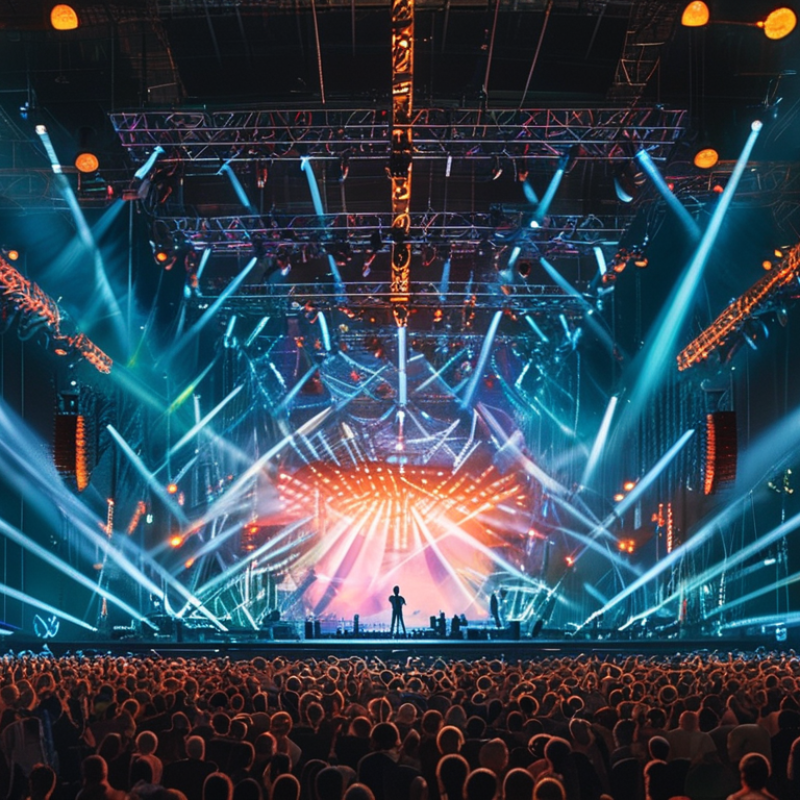
Best Stage Lighting System for Your Event Needs?

Introduction to Stage Lighting Systems

Stage lighting systems play a crucial role in creating the atmosphere for any event. They enhance performances and set the mood. Understanding the basic components is essential for effective use. A good lighting system includes spotlights, floodlights, and LED panels. Each type serves a unique purpose. Spotlights focus on specific areas, while floodlights offer broader coverage.

When choosing a system, consider the venue size. Large spaces may require more powerful lights. Additionally, the color and intensity of the lights impact the audience's experience. Warm colors create an inviting setting, while cool colors can evoke different emotions. Balance is key.

Consider experimenting with different lighting combinations. Sometimes, the initial setup may not be perfect. Be open to adjusting angles and intensities. Observe how changes affect the overall ambiance. Trust your instincts and gather feedback from others. The right lighting can transform an event from ordinary to extraordinary.

Types of Stage Lighting Systems Available

When planning an event, the type of stage lighting system can greatly impact the atmosphere. Different systems cater to various needs and environments. For instance, LED lighting systems offer a versatile option. They are energy-efficient and come in various colors. This flexibility allows for dynamic mood changes. However, they can sometimes lack the intensity needed for larger venues.

Another common choice is traditional incandescent lighting. These systems provide warmth and depth, creating an inviting space. However, they are less energy-efficient compared to LEDs. Additionally, they generate more heat, which can be a concern in smaller areas.

Specialized options like follow spots provide targeted lighting. They are great for highlighting performers on stage. But, these can be challenging to set up and require skilled operators. The choice of lighting system needs careful consideration to balance aesthetics and practicality. Selecting the right type is crucial to enhancing the overall experience for attendees.

Key Features to Consider When Choosing Lighting

Choosing the right stage lighting system requires careful thought about several key features. First, consider the brightness. According to industry reports, optimal lighting should be measured in lumens per watt. A good rule of thumb is to aim for 100 lumens per watt for efficiency. Insufficient brightness can diminish the impact of your event.

Color rendition is another crucial factor. Lighting with a high Color Rendering Index (CRI) makes the colors appear more vibrant. A CRI of 90 or above is recommended for most events. This choice directly affects how attendees perceive the atmosphere. Many settings benefit from warm tones, while others may need cooler shades.

Flexibility in design is also important. Adjustable fixtures can enhance various stages of an event. In live performances, for instance, subtle changes in lighting can evoke different emotions. However, too much complexity can lead to confusion for operators. Finding a balance is key. Moreover, pre-programmed scenes can save time, but they need regular updates to stay relevant. This aspect requires ongoing assessment and refinement for optimal results.

Best Practices for Optimal Lighting Setup

Lighting plays a crucial role in creating the right atmosphere for any event. A well-planned lighting setup enhances the overall experience, whether it’s a concert, wedding, or corporate gathering. Consider the type of event when choosing fixtures and colors. For example, warm hues can create intimacy, while cooler tones may energize a crowd.

Positioning is key for effective lighting. Spotlights can highlight speakers or performers, while ambient lights fill the entire space. Experimenting with the height and angle of lights can yield surprising effects. Keep in mind that too much light can be harsh. Subtle adjustments often lead to better results. Also, be open to using different types of equipment. The blend of LED, tungsten, and theatrical lights can add depth.

Testing your setup in advance is essential. Conduct a rehearsal to identify any issues with the lighting. Shadows might creep in unexpectedly, or some areas may become overexposed. Engaging a lighting technician with experience can make a significant difference. They can provide insights that you might overlook. Remember that even the best setups can evolve as the event unfolds. Embrace that adaptability for a truly stunning presentation.

Budgeting for Your Event's Lighting Needs

When budgeting for your event's lighting needs, consider the overall impact of lighting on guest experience. A professional lighting setup can significantly enhance the atmosphere. According to a survey by Eventbrite, 70% of event attendees cited lighting as a crucial factor in their overall enjoyment. This statistic highlights the importance of investing wisely in your lighting system.

Review your venue’s specifications and size when planning your budget. A smaller venue may not require as many high-end fixtures, which can drive costs up. On average, rental costs for basic lighting systems range from $500 to $2,500, depending on complexity and scale. Even smaller events can experience notable enhancements with good lighting, but it’s essential to avoid overspending. Balancing quality with budget constraints can be challenging but is necessary for successful event planning.

Hiring experienced professionals can elevate your lighting game significantly. According to a report by the Event Lighting Association, 35% of event planners emphasized the advantage of skilled technicians. Engaging experts can lead to a more effective use of lighting gear, ensuring your budget stretches as far as possible. On the other hand, DIY approaches may seem appealing but often fall short of creating the desired effect. This can lead to regret when evaluating the final impact on your event's success.

FAQS

: Why is stage lighting important for events?

: Stage lighting enhances performances and sets the mood, creating an engaging atmosphere for the audience.

What types of lights are used in stage lighting?

Common types include spotlights, floodlights, and LED panels. Each serves a unique purpose in lighting design.

How should I choose a lighting system for my venue?

Consider the venue size and the event type. Larger spaces may need more powerful lights for effective coverage.

Can I experiment with different lighting setups?

Yes, experimenting with angles and intensities can lead to unexpected and improved results. Be open to adjustments.

How can color impact the mood of an event?

Warm colors create an inviting atmosphere, while cool colors can energize the audience. Balance is crucial.

What should I look for when hiring lighting professionals?

Experienced technicians have valuable insights. They can help optimize your lighting setup and ensure better event outcomes.

How can I budget for lighting effectively?

Review your venue’s size and needs. Basic lighting setups range from $500 to $2,500, depending on complexity and scale.

What mistakes should I avoid in lighting design?

Avoid overspending on high-end fixtures for small venues. Additionally, relying solely on DIY methods may lead to unsatisfactory results.

Why is testing your lighting setup in advance important?

Testing allows you to identify issues like shadows and overexposure, helping to achieve a polished final result.

How can I ensure my lighting setup adapts during the event?

Embrace adaptability. The best lighting setups can evolve based on audience feedback and changing needs during the event.

Conclusion

When planning an event, selecting the right Stage Lighting System is crucial for enhancing the overall experience. Various types of stage lighting systems are available, each offering unique features tailored to different event needs. Key considerations include the intensity and color of lights, ease of setup, and compatibility with other equipment.

Implementing best practices for optimal lighting setup can significantly influence the atmosphere, ensuring that all performers and attendees are engaged. Budgeting wisely for your lighting needs is also essential, as it allows for flexibility in choosing equipment that meets both aesthetic and financial requirements. Ultimately, a well-chosen Stage Lighting System can transform an ordinary event into an extraordinary visual spectacle.


Sophia

Sophia

Sophia is a dedicated marketing professional with an exceptional depth of knowledge about her company's products and services. With a keen understanding of market trends and customer needs, she crafts insightful blog posts that not only inform but also engage readers, enriching the company’s online......