How to Choose the Best Stage Lighting for Your Event?

Time:2026-08-20 Author:Ethan
0%

Choosing the right stage lighting can transform an event. It is crucial for creating atmosphere, enhancing visuals, and engaging the audience. A recent industry report shows that effective lighting can increase audience engagement by over 70%. This proves that lighting is not just an accessory; it is essential.

Different types of stage lighting serve various purposes. From spotlighting performers to creating mood with colored lights, each choice impacts the overall experience. However, many event planners often overlook this important aspect. They may select lights based solely on budget or availability rather than purpose.

Understanding the specifics of stage lighting is key. Features such as brightness, color temperature, and beam angle can greatly influence how an event is perceived. Poor lighting can lead to a lackluster atmosphere, diminishing the event's impact. Thus, reflecting on lighting choices should be a priority for event organizers.
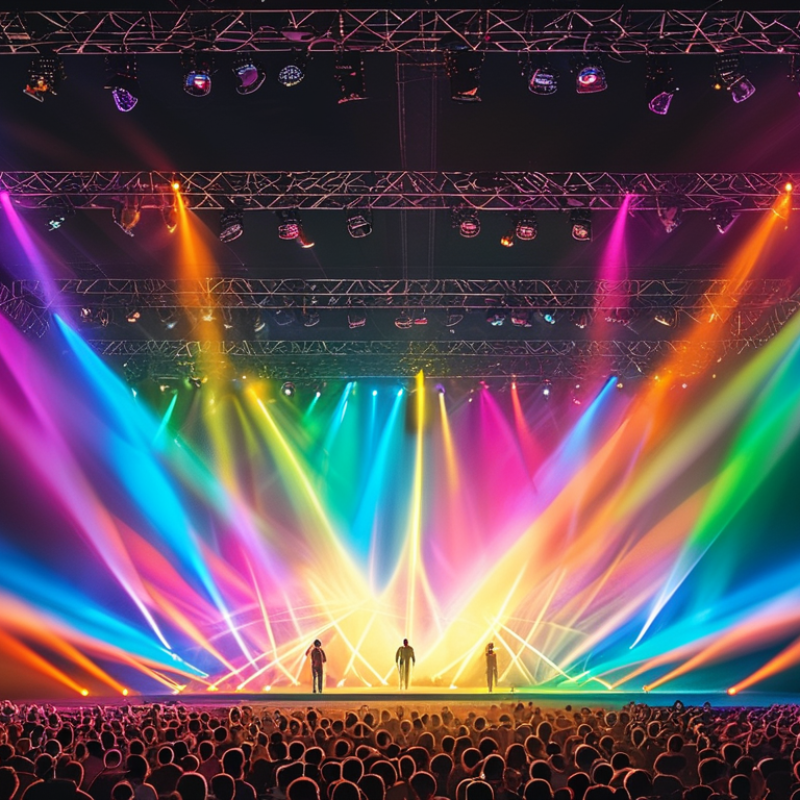
How to Choose the Best Stage Lighting for Your Event?

Understanding the Importance of Stage Lighting for Events

Stage lighting plays a crucial role in shaping the atmosphere of any event. It can elevate a simple gathering into a memorable experience. Proper lighting guides the audience's focus and highlights key moments or performances. Bright lights can energize the crowd, while softer tones can create an intimate vibe. Choosing the right lighting is not merely about aesthetics; it involves understanding its emotional impact.

However, many overlook the technical aspects of stage lighting. One must consider the space, type of event, and desired effects. Is the venue large or small? Will the audience sit close or far from the stage? Each aspect influences how light interacts with the environment. Additionally, the type of equipment matters as well. LED lights offer versatility, while traditional fixtures may provide a classic feel.

Planning often reveals gaps in understanding lighting effects. It's essential to experiment and adjust based on live feedback. Sometimes, what looks good on paper doesn't translate well in practice. Collaboration with experienced lighting designers can help bridge this gap. Their expertise can streamline the process, turning ideas into reality. Awareness of potential pitfalls in lighting design can lead to more engaging and successful events.

Identifying the Different Types of Stage Lighting Options

Choosing the right stage lighting is crucial for any event. Different types of stage lighting can create unique atmospheres. Understanding these options is key to making the best choice.

There are several types of stage lighting. Spotlights are focused beams, ideal for highlighting performers. Floodlights cover larger areas, providing a wash of light. LED lights are energy-efficient and versatile. They can change colors easily, creating dynamic visuals. Each type serves distinct purposes and produces varied effects.

Many organizers overlook the importance of proper lighting. Without consideration, an event space can feel flat. Too much light can overwhelm, while too little can lead to a dull experience. Finding a balance is essential. Reflect on your event's theme. Will vibrant colors enhance the mood? Or does a softer ambiance suit your audience better? It's essential to experiment with combinations to find what works best.

Assessing Venue Size and Environment for Lighting Needs

When assessing venue size and environment for lighting needs, start by evaluating the space. A large auditorium requires different lighting than a small gallery. Pay attention to the ceiling height. Higher ceilings often mean lighting must be placed at greater distances. This affects brightness and coverage. Think about where the audience will sit. Shadows can distract if the lighting is not positioned correctly.

Consider the color of walls and surfaces. Dark walls absorb light, making it necessary to use stronger fixtures. Light colors reflect light, creating a more vibrant atmosphere. The type of event also influences lighting decisions. Concerts require dynamic lighting that can change with the music. In contrast, lectures need even, steady lighting for visibility.

Reflect on the environmental factors, too. Natural light can impact your setup. If a venue has large windows, consider the time of day for your event. You might need to adjust lighting strengths accordingly. Always test the lighting in various scenarios to ensure effectiveness. Different angles can yield surprising results. Keep an open mind and be willing to adapt as you learn from the experience.

How to Choose the Best Stage Lighting for Your Event

This chart illustrates the importance of different lighting types based on venue size and environment. The data reflects what kind of lighting is most commonly used in small, medium, and large venues.

Choosing the Right Lighting Techniques for Your Event Theme

When selecting lighting techniques for your event theme, consider the mood you want to create. Ambient lighting is crucial; it sets the stage. For a lively atmosphere, use vibrant colors and dynamic patterns. In contrast, soft white lights can enhance a romantic or elegant vibe. Think about how each lighting choice reflects your theme.

To truly engage attendees, layer your lighting. Use spotlights to highlight key areas, like the stage or dining tables. You can create depth by combining uplighting with chandeliers or string lights. Each source adds a different texture. It’s essential to visualize how these elements work together. Consider a space walkthrough before making final decisions.

Experiment with your options. Sometimes, bold choices lead to unexpected results. While it’s good to stick to a theme, don't hesitate to break rules. Mixing different styles can enhance creativity. Lighting should resonate with the audience and create memorable experiences. Stay flexible; adjust as needed during the event.

How to Choose the Best Stage Lighting for Your Event?

Lighting Type Best For Key Features Considerations
LED PAR Lights Concerts and Festivals Energy-efficient, color mixing Higher initial cost
Moving Head Lights Theater and Performances Dynamic movement, beam shaping Requires skilled operation
Fresnel Lights Stage Lighting Soft edges, adjustable focus Heat generation
Strobe Lights Dance Events and Raves Creates dramatic effects Can be disorienting
LED Strip Lights Ambiance Lighting Flexible installation, low heat Limited brightness

Budget Considerations When Selecting Stage Lighting Solutions

Budgeting for stage lighting can be a complex process. It's vital to create a realistic budget from the start. Assess your event's specific needs, including the size of the venue and the desired atmosphere. Research common costs associated with different lighting types, such as LED, spotlights, and moving heads. Each option varies in price and impact.

Consider renting equipment as a cost-effective solution. Rental prices can significantly reduce upfront costs. When renting, inquire about package deals. These can often include not just the lights, but also necessary accessories. This approach allows for flexibility. However, remember that sometimes low-cost options may not meet your event's quality standards.

Don’t overlook the need for professional installation. It may seem like an additional expense, but the right setup can make a considerable difference. Flawed installation can lead to inadequate lighting or safety hazards. Evaluating your budget involves weighing these factors against the importance of achieving the right ambiance for your audience. It’s an ongoing learning process that often requires adjustments as you gather more experience.

FAQS

: What are the main types of stage lighting?

: The main types include spotlights, floodlights, and LED lights. Each has unique uses and effects.

How do spotlights differ from floodlights?

Spotlights produce focused beams to highlight performers. Floodlights cover larger areas with a wash of light.

Why is lighting important for an event?

Proper lighting shapes the audience's experience. It can enhance or dull the atmosphere significantly.

How does venue size affect lighting needs?

Larger venues need different lighting setups compared to smaller spaces. Ceiling height also influences light placement.

What factors should I consider for lighting placement?

Consider audience seating, wall color, and shadows. This impacts effectiveness and overall ambiance.

Should I rent or buy stage lighting equipment?

Renting can reduce costs. However, check package deals for items and accessories included. Quality matters too.

How can natural light impact my event?

Natural light from windows can change your lighting needs. Adjustments might be necessary based on the time of day.

Why is professional installation important?

Flawed installations can lead to safety risks. Proper setup is crucial for achieving the desired lighting effect.

How can I find the right balance in lighting?

Experiment with different lighting combinations. Reflect on the event's theme and desired atmosphere.

What should I do if my lighting setup doesn’t work as expected?

Keep an open mind and adapt. Testing in various scenarios can lead to surprising improvements.

Conclusion

Choosing the best stage lighting for your event is crucial for creating the desired atmosphere and enhancing the overall experience. Understanding the importance of stage lighting involves recognizing how it affects mood, visibility, and thematic representation. There are several types of stage lighting options available, including spotlights, wash lights, and LED fixtures, each serving different purposes based on the event requirements.

It's essential to assess the venue's size and environment to determine the appropriate lighting needs effectively. This includes evaluating factors like ceiling height and available power sources. Additionally, selecting the right lighting techniques that align with your event theme can elevate the visual impact. Finally, budget considerations play a vital role in the selection process; ensuring that you choose stage lighting solutions that provide the best value for your investment while meeting all functional and aesthetic needs.


Ethan

Ethan

Ethan is a seasoned marketing professional with a deep expertise in our company's innovative product line. With a passion for sharing knowledge and insights, he takes the lead in regularly updating our corporate blog, where he explores industry trends, product features, and effective marketing......