In the realm of Professional Stage Lighting, selecting the right equipment can define a performance. Experts in the field, like James Lightman, emphasize the importance of quality choices: “The right lighting can transform the entire stage experience.” Buyers around the world seek innovative solutions to enhance their events.
The variety of available options can be overwhelming. From LED fixtures to advanced control systems, every choice impacts the visual storytelling of performances. Quality lighting creates mood and focus, essential elements for engaging an audience. However, not all equipment delivers on its promises.
Industry professionals face challenges in balancing cost and performance. Some products may not meet expectations, leading to dissatisfaction among users. As the market evolves, ongoing research and user feedback are critical. Ultimately, knowledge and experience guide buyers to make informed purchases in the dynamic world of Professional Stage Lighting.
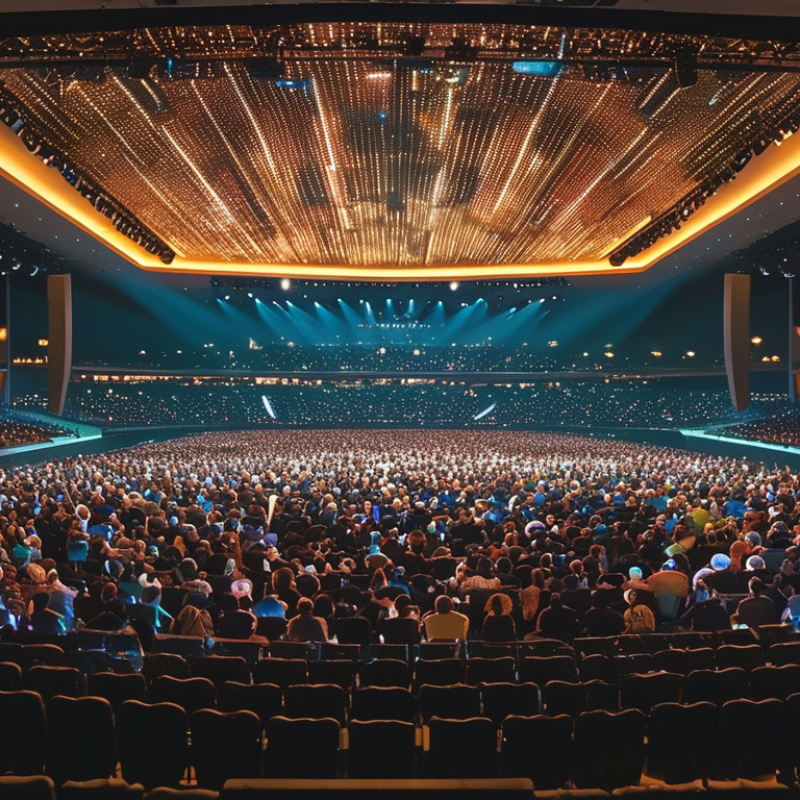
Top Professional Stage Lighting Options for Global Buyers
When selecting professional stage lighting, buyers should focus on versatility and range. Different events require unique lighting solutions. Concerts, plays, and corporate events each have distinct needs. For instance, a rock concert might need high-intensity spotlights and vibrant colors, while a corporate event may require softer lighting for presentations.
Understanding the technical specifications is vital. Different lighting types serve various purposes. LED lights are energy-efficient and long-lasting, making them a popular choice. Moving head fixtures can create dynamic effects, adding excitement to any performance. Remember to consider the ease of setup and control as well. A complex system might pose challenges during live shows, reflecting poorly on your event.
It’s essential to reflect on what works best for your specific needs. Ask for demos whenever possible. Real-life testing can reveal strengths and weaknesses in lighting equipment. Prioritize equipment that is user-friendly, even for non-technical staff. Moreover, consulting with experienced lighting designers can provide valuable insights into the most effective options available.
Top Professional Stage Lighting Options for Global Buyers
| Lighting Type |
Power (W) |
Lumens |
Color Temperature (K) |
Beam Angle (°) |
Weight (kg) |
| LED PAR Light |
180 |
12000 |
3000 |
25 |
1.5 |
| Moving Head Spot |
350 |
15000 |
6000 |
16 |
10 |
| Fresnel Spotlight |
1000 |
8000 |
3200 |
50 |
8 |
| LED Blinder |
300 |
18000 |
4000 |
30 |
5.5 |
| Strobe Light |
150 |
1000 |
6000 |
N/A |
3.2 |
Understanding Different Types of Stage Lighting Solutions
When exploring stage lighting solutions, the variety available can be overwhelming. Understanding the different types is crucial for making informed choices. For dynamic performances, moving heads are popular. They offer flexibility in direction and color. This adaptability is essential for shows that require quick changes in mood and effect.
Another option is LED lighting. LEDs are energy-efficient and can produce vibrant colors. They can create stunning backdrops or focal points on stage. However, their cooling systems can sometimes be noisy, which might affect performances. This is a point worth considering when making selections.
Traditional incandescent lights still hold value in specific settings. They provide a warm glow and are favored for certain theatrical productions. Yet, their energy consumption is higher compared to modern alternatives. Ultimately, each lighting type has its strengths and weaknesses. As buyers, understanding these nuances is key to achieving the desired atmosphere in any live performance.
Key Features to Consider in Professional Stage Lighting
When selecting professional stage lighting, several key features must be considered. Brightness is crucial for any setup. Look for lights that offer adjustable intensity. This allows for flexibility in various performance environments. Color accuracy is also essential. Lighting should reproduce colors faithfully to enhance the visual experience.
Another important aspect is the fixture's durability. Stage lights face the rigors of touring and varied venues. Robust design ensures longevity and reliable performance. Consider the weight and size of the fixtures as well. Heavy lights can complicate setup and transport. A good balance between performance and portability is fundamental.
Control capabilities cannot be overlooked. Advanced dimming options and integration with lighting consoles provide greater creative control. Programmable features can add dynamic effects to performances. It's important to test how these features work in real-time scenarios. Some options might not deliver as expected, leading to potential frustration during shows. Choose wisely according to your unique needs.
Leading Brands in the Global Stage Lighting Market
The global stage lighting market presents a diverse range of options for buyers seeking professional solutions. According to a recent report by MarketsandMarkets, the stage lighting market was valued at approximately USD 5.5 billion in 2022 and is projected to grow to USD 7.1 billion by 2027. This significant growth highlights the increasing demand for innovative lighting technology across various events, from theatrical productions to concerts.
Leading brands in this sector focus on advanced technology, sustainability, and user-friendly design. Increasing emphasis on LED technology supports this trend. LEDs offer lower energy consumption and longer lifespans compared to traditional lighting sources. It's worth noting that while many brands claim to provide superior products, actual user experiences can vary. Some end-users report frustrations with the complexity of controls or inadequate customer support. These factors can influence buying decisions, underscoring the need for buyers to thoroughly research options.
Furthermore, the diversification of stage lighting solutions is essential. Options range from conventional fixtures to intelligent lighting systems. Buyers must consider specific needs, such as energy efficiency, adaptability, and coherence with current trends. While some brands excel in innovation, others might lag in customization or local availability. This inconsistency reflects the need for buyers to balance brand reputation with their unique requirements.
Top Professional Stage Lighting Options for Global Buyers
Emerging Trends in Stage Lighting Technology for Professionals
In recent years, stage lighting technology has seen remarkable advancements. LED lights, for instance, have become popular due to their energy efficiency and versatility. They can produce vibrant colors and various effects, enhancing performances dramatically. Additionally, smart lighting systems enable designers to control lighting remotely, offering unprecedented flexibility. This shift is reshaping the landscape for stage professionals worldwide.
When choosing lighting options, consider the specific needs of your production. Different shows require different styles of lighting.
For theater, softer, warmer tones may be best. In contrast, concerts might demand more dynamic and colorful displays. Collaborating with other artists can also refine your lighting choices for maximum impact.
Think about integrating automation into your lighting setup. This can save time and effort during shows, allowing you to focus more on performance. However, testing your system thoroughly is essential to avoid any glitches on stage.
Always remain open to learning. Mistakes can lead to improved techniques and more compelling visuals in the future.
Best Practices for Choosing Stage Lighting for Various Events
When selecting stage lighting for events, understanding different requirements is key. For concerts, dramatic lighting can enhance emotions and engage audiences. Research from the Event Lighting Association shows that effective lighting design can increase audience retention by 40%. Adjustable lighting systems allow for dynamic changes, creating memorable experiences.
Corporate events require a distinct approach. Clean, white light often supports presentations without overshadowing speakers. A study by the International Association of Venue Managers indicates that poorly lit environments can detract from the message delivered. A balanced lighting scheme can improve clarity and focus, crucial for successful presentations.
The challenges in stage lighting often stem from fields like understandings of colors and their effects. Not all venues provide ideal conditions. Technical aspects need careful consideration. Using LED systems can mitigate power issues and provide flexibility. The overall goal is to create an environment that supports the event's theme while remaining adaptable to unforeseen changes. Balancing creativity with pragmatic approaches is an ongoing challenge in the industry.
FAQS
: Moving heads are versatile lights that can change direction and color. They are ideal for dynamic performances.
LED lights are energy-efficient and create vibrant colors. They can enhance the stage with stunning visuals.
The cooling systems in LED lights can be noisy. This might distract during performances and affect the audience's experience.
Incandescent lights produce a warm glow. They are preferred for specific theatrical settings despite higher energy consumption.
Adjustable intensity is crucial for brightness. It allows flexibility in different performance environments.
Color accuracy is vital. It helps reproduce original colors and enhances the overall visual experience.
The lights should have a robust design. This ensures they withstand touring and various performance venues.
Heavier lights complicate setup and transport. A good balance between performance and portability is key.
Advanced control allows for creative flexibility. Programmable features can add dynamic effects for unique performances.
Buyers should test features in real-time scenarios. Some lights may not work as expected, which can be frustrating.
Conclusion
This article explores the diverse options available for professional stage lighting, catering to the needs of global buyers. It begins with an overview of the different types of stage lighting solutions, emphasizing the importance of understanding their unique applications. Key features such as brightness, color accuracy, and energy efficiency are discussed, providing insights into what makes lighting suitable for various events.
Additionally, the article highlights emerging trends in stage lighting technology, including advancements in LED systems and control software that enhance performance and creativity. Best practices for selecting the right professional stage lighting are also outlined, ensuring that buyers can make informed decisions tailored to specific event requirements. Overall, this guide serves as a comprehensive resource for anyone looking to invest in high-quality stage lighting solutions, enhancing the visual experience across productions.

 iTOPLITE