China Best Theatre Lighting Manufacturers for Global Buyers?

Time:2026-09-22 Author:Charlotte
0%

China has become a major sourcing base for professional Theatre Lighting equipment, serving touring shows, cinemas, concert halls, and cultural venues. However, “made in China” does not automatically mean reliable performance. Buyers must examine optical output, color consistency, thermal management, control compatibility, documentation, and after-sales support.

Industry data supports this market’s continued expansion. Grand View Research identifies stage lighting as a growing segment within professional entertainment technology, driven by LED conversion, venue modernization, and demand for programmable fixtures. The International Energy Agency also reports that lighting remains a significant share of global electricity consumption, making efficient LED systems increasingly important for theatres with long operating hours. These figures explain why buyers now compare more than brightness and purchase price.

Technical details matter.

A dependable manufacturer should provide measured lux data, color rendering values, beam-angle options, dimming curves, and test records. Buyers should also confirm DMX512 or RDM compatibility, flicker performance, IP ratings, warranty conditions, and spare-parts availability. ESTA standards and manufacturer test procedures can help create a more consistent evaluation framework, although documentation quality still varies between suppliers.

This guide reviews leading Chinese Theatre Lighting manufacturers for global buyers. It considers manufacturing experience, product engineering, certifications, export capability, customization, and field support. Factory visits, sample testing, and independent inspections remain valuable, even when supplier websites appear convincing. Some rankings may seem subjective. That is unavoidable. A manufacturer excellent for a touring production may not suit a school auditorium or a large opera house. Careful comparison remains essential.
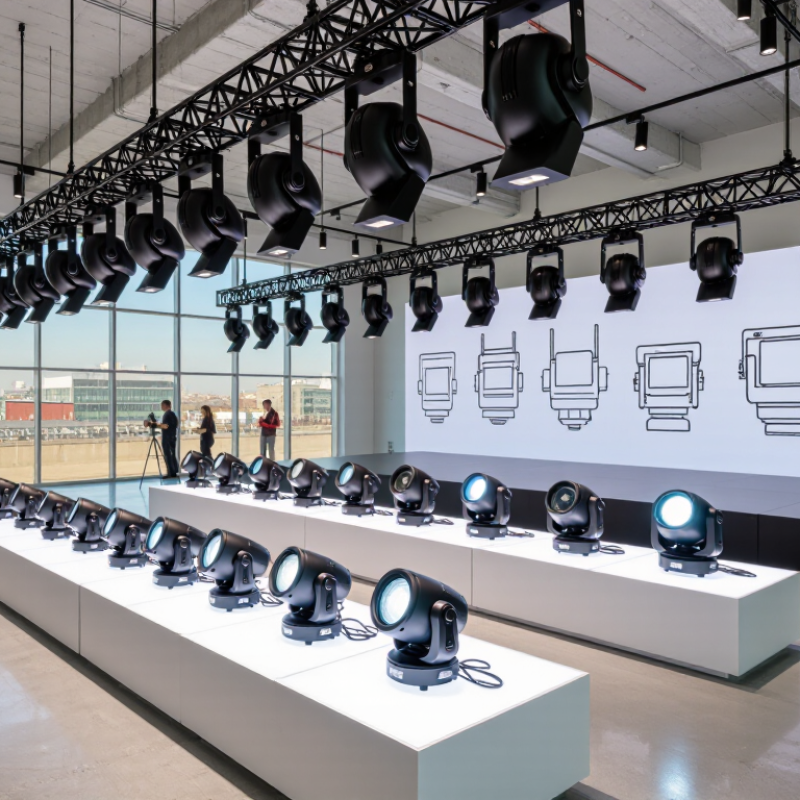
China Best Theatre Lighting Manufacturers for Global Buyers?

China’s Theatre Lighting Manufacturing Landscape

China Best Theatre Lighting Manufacturers for Global Buyers?

China’s theatre lighting manufacturing landscape is broad, but not uniform. Production clusters support LED engines, moving fixtures, control systems, and custom housings. Many factories combine optical design, machining, wiring, and final assembly. This can shorten development cycles for touring productions and permanent venues. Experienced suppliers can provide photometric files, thermal test records, dimming curves, and sample units before volume production. Buyers should examine engineering depth, not only catalog size. A polished website proves little.

Tips: Request a working sample under real theatre conditions. Check beam consistency, fan noise, color stability, and fixture weight. Ask how each batch is tested. Confirm spare-part availability and firmware support. Clear drawings prevent expensive misunderstandings. Include acceptance criteria in the purchase agreement. This is where many projects become difficult.

China’s strengths include flexible customization, competitive component sourcing, and scalable output. Yet quality may vary between batches, especially when specifications remain vague. Quality still varies. A fixture can pass a showroom demo and disappoint on a full stage. That possibility deserves honest attention. Buyers should compare measured performance, warranty terms, packaging, and response time. Reliable cooperation grows from documented processes, transparent communication, and realistic testing schedules. Cheaper is not always safer. Sometimes, it is simply cheaper.

Key Product Categories for Theatre and Stage Applications

China Best Theatre Lighting Manufacturers for Global Buyers?

Theatre lighting manufacturers typically organize products by beam control, color quality, movement, and installation purpose. LED profiles create sharp-edged pools for actors, doorways, and set details. Fresnels produce softer coverage across a rehearsal room or proscenium stage. PAR fixtures offer broad washes for scenery, curtains, and audience-facing areas. These categories should match the venue, not merely the fixture’s wattage.

Moving-head washes add quick color changes and sweeping coverage for concerts or contemporary performances. Moving-head profiles provide framing shutters, gobos, and precise aerial effects. Followspots remain useful when a performer must stay visible during a dark scene. For low ceiling spaces, compact units may be safer and easier to focus. Small details matter.

Control equipment deserves equal attention. Consoles, DMX or network nodes, dimming systems, and signal splitters must work together without unstable data paths. LED cyc lights can create smooth backdrops, while practical fixtures support realistic rooms on stage. Ask manufacturers for photometric files, color-rendering data, noise levels, thermal test records, and control compatibility. A sample fixture should be tested at the venue’s actual throw distance. Paper specifications can mislead. Even experienced buyers sometimes overlook fan noise, connector quality, or service access. That mistake becomes obvious during a quiet monologue. Reliable suppliers also explain replacement parts, firmware updates, packing protection, and warranty procedures in clear technical language.

How to Evaluate Chinese Theatre Lighting Manufacturers

China Best Theatre Lighting Manufacturers for Global Buyers?

How to Evaluate Chinese Theatre Lighting Manufacturers

Choosing a theatre lighting manufacturer requires more than comparing prices. Ask for photometric files, color data, flicker measurements, and thermal test results. Reliable suppliers explain beam angles, dimming curves, CRI, TM-30 performance, DMX or RDM compatibility, and expected LED life. Request a production sample before placing a large order. Inspect its housing, connectors, cooling path, display controls, and noise level in a quiet venue. A strong manufacturer should also provide clear manuals, packing standards, warranty terms, and replacement-part support.

Tips: Verify factory capability through a video audit or independent inspection. Compare the sample with the final quotation. Confirm whether testing covers the exact model, not a similar product. Ask for references from theatres using comparable fixtures. Export experience matters, but it does not replace technical evidence.

My own evaluation mistake was trusting a polished sample without checking batch consistency. The first unit looked excellent. Later units showed slightly different color output. That experience changed my process. I now request tolerance limits, inspection records, and a written approval sample. Manufacturers with engineers who answer detailed questions usually deserve closer attention. Still, confidence should remain measured. A fast response is useful, but stable performance, documented quality control, and honest limitations are more reliable indicators.

Quality, Certification, Customization, and Export Capabilities

Global buyers should assess Chinese theatre lighting manufacturers through quality, certification, customization, and export reliability. Mordor Intelligence projects the stage lighting market to grow at approximately 5% annually through 2029, increasing pressure on suppliers to deliver consistent performance. In practical factory audits, inspect LED binning records, thermal tests, dimming curves, and color consistency. A bright demo unit proves little.

Certification must match the destination market. Look for documented compliance with IEC 60598, electromagnetic compatibility requirements, RoHS, and applicable regional marking rules. ISO 9001 supports process control, but it does not guarantee every fixture will perform well. I would request recent test reports, calibration records, and sample-based inspection results. Certificates can be outdated.

Customization should cover beam angles, housing dimensions, connectors, control protocols, firmware, and packaging. The IEA’s Energy Efficiency 2023 report highlights continuing global efficiency gains from LED adoption, yet efficiency alone cannot replace accurate color rendering and quiet operation. Export capability also deserves evidence: multilingual manuals, stable spare-part supply, protective cartons, and experience with sea and air freight. Confirm HS codes and shipping documents before production. One overlooked detail can delay an installation. A factory may promise flexibility, but engineering drawings and pilot samples reveal the truth. Supplier evaluation remains imperfect, especially when factory data is self-reported. Independent inspection is still worth the cost.

Sourcing and Purchasing Considerations for Global Buyers

Choosing the best theatre lighting manufacturers in China requires more than comparing unit prices. A serious buyer should verify production experience, optical testing, electrical safety controls, and export documentation. Ask for recent test reports, factory photographs, and a sample built for your stage requirements. Check beam angle, color consistency, dimming behavior, fan noise, and heat management during a long rehearsal. Small differences become obvious on a dark stage. They matter.

Request a clear quotation covering fixture price, packaging, spare parts, warranty scope, lead time, and delivery terms. Confirm whether components are standard and replaceable in your market. A low-cost fixture can become expensive when a driver fails and no compatible part is available. Discuss inspection before shipment, including a powered test of every unit or a defined sampling plan. Independent inspection adds cost, but it may prevent a larger loss. I have seen schedules suffer because buyers trusted polished videos instead of written specifications.

Communication deserves its own check. Use drawings, connector photos, control-protocol details, and a signed approval sample. Ask how the manufacturer handles defects, software updates, and urgent replacement requests. Keep every promise in the purchase contract. Be realistic about customization. Custom housing, firmware, or packaging may require new tooling and longer testing. Some suppliers agree too quickly. That is a warning sign, though not always. Recheck certifications for the destination country and confirm customs requirements with a qualified local adviser. A factory visit can help, but a disciplined remote audit remains useful when travel is impractical.

FAQS

What should global buyers evaluate beyond a manufacturer’s product catalog?

Examine engineering depth, optical testing, thermal records, and assembly controls. A working sample reveals more than polished website images. Catalog size proves little.

Which theatre lighting products suit common stage needs?

Profile fixtures create sharp-edged light for actors and set details. Fresnels provide softer coverage. PAR fixtures create broad washes. Moving fixtures add color changes, framing, and sweeping effects.

How can buyers test a sample fixture properly?

Test it at the venue’s actual throw distance. Check beam consistency, color stability, dimming, fan noise, and weight. Run it during a long rehearsal. Quiet scenes expose noise quickly.

Why are control systems important in theatre lighting projects?

Consoles, network nodes, dimming systems, and signal splitters must exchange stable data. Request control-compatibility details before ordering. Unstable signal paths can interrupt a performance.

What technical documents should a supplier provide?

Request photometric files, color-rendering data, dimming curves, noise levels, and thermal test records. Ask for drawings and connector photographs. Paper specifications can still mislead.

How should buyers compare quotations from different suppliers?

Compare fixture prices, packaging, spare parts, warranty coverage, lead times, and delivery terms. Check whether replacement components are available locally. A cheap driver failure may create expensive delays.

What quality-control steps should buyers include before shipment?

Define acceptance criteria in the purchase agreement. Require powered testing for every unit or a clear sampling plan. Independent inspection costs more. It may prevent a larger loss.

What risks come with customized theatre lighting products?

Custom housings, firmware, and packaging may require new tooling and longer testing. Confirm drawings and approval samples in writing. Some suppliers agree too quickly. That deserves another check.

How can buyers reduce communication and warranty problems?

Record specifications, defect procedures, software updates, spare parts, and urgent replacement terms in the contract. Confirm destination-country certifications and customs requirements with a qualified adviser. Verbal promises fade.

Conclusion

China has become an important manufacturing base for Theatre Lighting, offering a broad range of products for theatres, concert halls, touring productions, studios, and event venues. Its manufacturing landscape includes stage luminaires, profile and fresnel fixtures, moving lights, LED systems, followspots, control equipment, and related accessories. Global buyers can benefit from varied specifications, competitive pricing, flexible production capacity, and options for both standard and customized projects.

When evaluating Chinese manufacturers, buyers should review product performance, optical quality, thermal management, reliability, factory experience, testing procedures, and after-sales support. Quality management systems, relevant certifications, export experience, packaging standards, and documentation are also important considerations. Customization may include housing design, power requirements, control protocols, branding-free packaging, and project-specific configurations. To reduce purchasing risks, international customers should clarify technical requirements, request samples or demonstrations, confirm production timelines, assess warranty terms, and establish clear inspection and shipping arrangements before placing an order.


Charlotte

Charlotte

Charlotte is a seasoned marketing professional with a deep understanding of the company's portfolio and a passion for elevating its presence in the market. With a keen eye for detail and a commitment to excellence, she ensures that our professional blog is regularly updated with insightful articles......