2026 Top Stage Lighting Equipment for Global Buyers?

Time:2026-08-28 Author:Aria
0%

The stage lighting equipment market is undergoing a significant transformation as technology advances. According to the latest report from the Global Entertainment Technology Alliance, the industry is projected to grow by 8% annually over the next four years. This rise reflects not only increased demand for live performances but also the evolving expectations of audiences.

Industry expert, Dr. Emily Carter, emphasizes this shift: "Stage Lighting Equipment is at the heart of creating immersive experiences." Her insight highlights the importance of innovation in the sector. Lighting designers are now using advanced LED systems that offer greater energy efficiency and versatility.

However, challenges remain. Many buyers struggle to find reliable suppliers amid rapid technological changes. It’s crucial to weigh options carefully. Understanding the unique needs of each production can lead to better purchasing decisions in the long run.
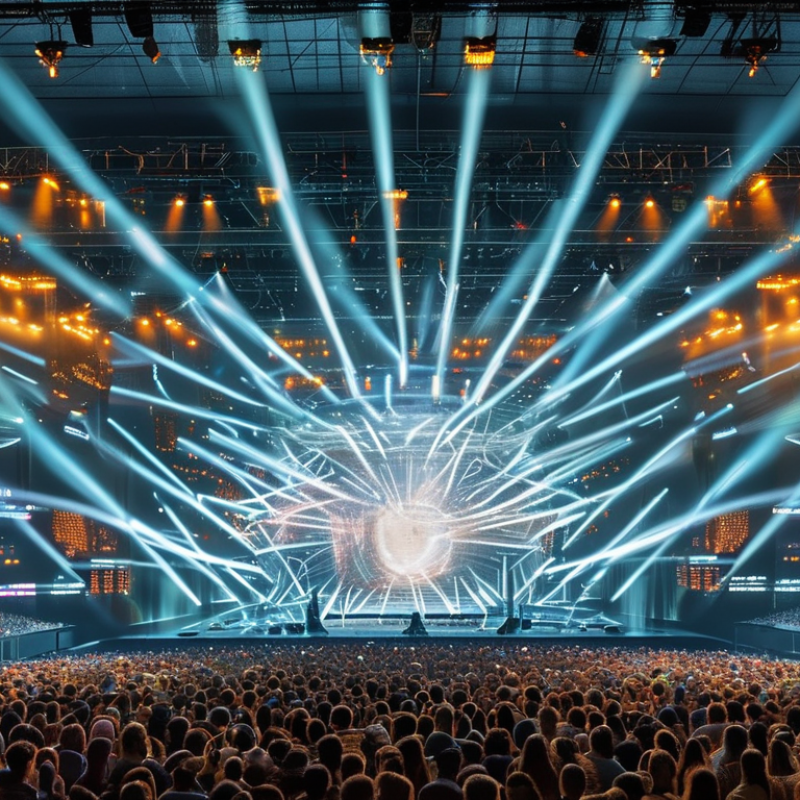
2026 Top Stage Lighting Equipment for Global Buyers?

2026 Innovations in Stage Lighting Technology for Global Markets

As we look forward to 2026, the stage lighting industry is on the brink of a technological transformation. Advances in LED technology promise brighter and more energy-efficient solutions. These innovations allow for greater versatility in lighting design. Imagine a stage bathed in vibrant colors, with lights that can shift and change in real time. The possibilities are endless.

Collaboration between lighting designers and software developers is essential. New lighting control software enhances user experience and creative potential. Such tools simplify complex lighting setups, enabling stunning displays that captivate audiences. However, not all lighting systems adapt easily to these changes. Some users may face a learning curve with new technology. Embracing innovation often requires patience and practice.

Consider exploring wireless lighting solutions. These setups can minimize clutter and enhance mobility. This can also present a challenge for those accustomed to wired systems. The flexibility of wireless technology, though, may outweigh its drawbacks. Experimenting with integration strategies can yield impressive results. Balancing creativity with technical know-how is key in this evolving landscape.

Key Considerations for Choosing Stage Lighting Equipment in 2026

When selecting stage lighting equipment in 2026, buyers must weigh several key considerations. First, understanding the technology is crucial. LED lighting continues to dominate the market, accounting for over 70% of stage lighting sales, according to a recent industry report. These lights are not only energy-efficient but also offer a remarkable lifespan, often exceeding 25,000 hours. However, choosing between fixed and moving lights can lead to confusion. Moving lights provide dynamic effects but come with higher maintenance costs.

Another important factor is the size and type of the venue. Reports indicate that 60% of event organizers now prioritize adaptability in lighting solutions. Smaller venues may require versatile systems that can create dramatic effects without overwhelming the space. In contrast, larger arenas benefit from powerful fixtures capable of covering expansive areas. Still, many buyers overlook the importance of user-friendly control systems. Complex interfaces can hinder performance, leaving operators frustrated during live events.

Lastly, sustainability trends shape purchasing decisions. Increasingly, buyers seek equipment from manufacturers that prioritize eco-friendly practices. A study revealed that 50% of buyers are willing to pay more for lighting solutions that have a reduced environmental impact. While high-quality lighting is essential, understanding these evolving trends helps buyers make informed, responsible choices.

2026 Top Stage Lighting Equipment Preferences

Popular Brands Dominating the Stage Lighting Equipment Market

The stage lighting equipment market is evolving rapidly, driven by innovation and growing demand. According to recent industry reports, the global stage lighting market is expected to reach $7.6 billion by 2026, reflecting a compound annual growth rate of 6.1%. This growth is primarily fueled by advancements in LED technology and demand for high-quality visuals.

Several popular brands are consistently recognized for their influence and market share. They dominate through a combination of effective marketing strategies and innovative product offerings. A focus on user-friendly interfaces and energy efficiency has made these brands leaders in both sales and customer satisfaction. However, the reliance on specific technologies can create vulnerabilities. If a brand fails to innovate quickly enough, they may lose market relevance.

Changing consumer preferences also challenge established brands. Modern performers seek customizable and versatile lighting solutions. As the industry shifts, companies must adapt to these needs or risk falling behind. This is a critical time for the industry, where the interplay of creativity and technology shapes future trends.

Comparative Analysis of LED vs. Traditional Stage Lighting Solutions

Stage lighting is a crucial element in creating an engaging atmosphere. As technology evolves, the choice between LED and traditional lighting solutions becomes more significant. Each option comes with distinct advantages and challenges.

LED lighting boasts energy efficiency and longevity. It consumes less power and lasts significantly longer than traditional bulbs. This switch can provide considerable savings for large productions. However, the initial cost of LED fixtures can be hefty, acting as a barrier for some buyers. Reliability is another concern; not all LED products are made equally, and subpar options can lead to performance issues.

Traditional lighting options, like incandescent and halogen, are known for their warm glow and color rendering. They can be more straightforward to integrate with existing systems. Yet, they have shorter lifespans and require frequent replacement. This aspect can add to long-term operational costs. Users might need to rethink their lighting strategy as they weigh immediate costs against future savings.

When planning your stage lighting, consider your specific needs. Assess the venue size, show duration, and desired effects. A mix of both lighting types might yield the best results. Don’t forget to keep an eye on advancements in technology. New solutions could emerge, providing better performance and reliability.

Trends Shaping the Future of Stage Lighting Equipment Purchases

The landscape of stage lighting equipment is evolving rapidly. A recent report highlights that the global stage lighting market is projected to reach $8.3 billion by 2026. This shift is driven by the increasing demand for advanced technology in concerts, theater, and events. LED technology is at the forefront, accounting for over 45% of the market share due to its energy efficiency and enhanced lifespan.

Key trends indicate a growing preference for smart lighting solutions. These systems offer programmable settings, which facilitate creative designs. In a survey, 72% of lighting professionals noted the importance of automation in their projects. However, while integrating smart technologies presents opportunities, it also raises challenges in terms of user training and system complexity.

Moreover, sustainability is a significant concern. More buyers are prioritizing eco-friendly products. It is estimated that 68% of industry buyers now favor lighting systems that boast low energy consumption and recyclable materials. Yet, not all manufacturers have adapted to these expectations. The gap between demand and supply must be bridged to meet future buyer needs effectively.

FAQS

: What technological changes are expected in stage lighting by 2026?

: Innovations focus on LED technology, promising brighter and energy-efficient solutions for lighting design.

Why is collaboration important in stage lighting?

Lighting designers and software developers work together to enhance user experience and simplify complex setups.

What benefits do new lighting control software offer?

These tools allow for captivating displays, though they may present a learning curve for some users.

Are wireless lighting solutions better than wired ones?

Wireless setups reduce clutter and increase mobility, but may be challenging for those used to wired systems.

What growth is the stage lighting market experiencing?

The market is projected to reach $7.6 billion by 2026, growing at a rate of 6.1% annually.

How do consumer preferences influence stage lighting technology?

Performers seek customizable solutions, pushing companies to adapt or risk losing relevance in the market.

What role does creativity play in the evolution of lighting technology?

Balancing creativity with technical skills is essential as the industry evolves and embraces new innovations.

What challenges exist for brands in the stage lighting market?

Brands may struggle to keep up with technological advancements and changing consumer preferences.

How can experimenting with integration strategies help?

Innovative integration can yield impressive results and enhance the overall lighting experience on stage.

Is patience important when adopting new lighting technology?

Yes, embracing innovation often requires time and practice to navigate new systems effectively.

Conclusion

The article "2026 Top Stage Lighting Equipment for Global Buyers" explores the latest innovations in stage lighting technology that are set to transform global markets. It highlights key considerations for selecting stage lighting equipment in 2026, emphasizing factors such as energy efficiency, flexibility, and ease of use. The discussion includes a comparative analysis of LED versus traditional lighting solutions, pointing out the advantages of modern LED technology in terms of performance and sustainability.

Moreover, the article identifies emerging trends that are influencing purchasing decisions for stage lighting equipment. As the industry evolves, buyers are encouraged to stay informed about the dynamic landscape, which is shaped by advancements in technology and changing consumer preferences. By understanding these factors, global buyers can make informed choices when equipping their stages for the future.


Aria

Aria

Aria is a dedicated marketing professional with a deep passion for innovative strategies and a keen understanding of our company's product offerings. With a wealth of experience in the industry, Aria excels at crafting engaging content that highlights the unique features and benefits of our......