When planning an event, the right stage lights can create an unforgettable experience. The global stage lighting market is projected to reach $4.5 billion by 2027, driven by technological advancements and the demand for immersive events. Stage lights play a crucial role in enhancing the atmosphere, guiding the audience's attention, and complementing the performance.
Choosing the right stage lights requires careful consideration. Factors such as the size of the venue, event type, and desired ambiance all influence the selection process. According to the International Association of Venue Managers, over 75% of event professionals report that effective lighting improves audience engagement. This highlights the importance of informed choices in lighting design.
While powerful lighting can captivate an audience, incorrect use can lead to distractions or discomfort. Many event organizers struggle with balancing brightness and color temperature. Continuous learning and adaptation in lighting technology are essential to avoid mishaps. Selecting stage lights is not merely a technical decision; it requires creativity and insight into the event's goals.
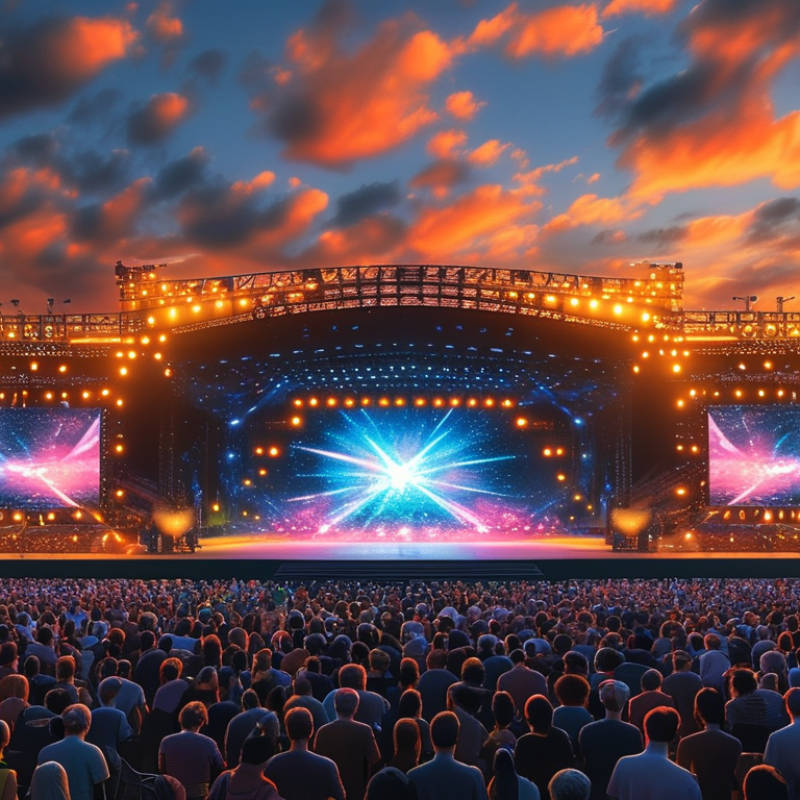
Stage lighting is crucial for creating the right atmosphere at events. Each type of light serves a different purpose. Spotlights are often used to highlight a performer or a specific area on stage. These lights create a focused beam that draws the audience's attention. In contrast, floodlights offer a wide wash of light, perfect for illuminating larger areas.
Understanding the specific needs of your event is essential. For example, theatrical performances require different lighting than concerts. LED lights are energy-efficient and versatile. They can change colors easily, enhancing the visual experience. However, they might lack the warmth of traditional incandescent bulbs.
Another consideration is placement and arrangement. Properly positioning lights can influence shadows and highlights dramatically. Experimentation is often necessary to find the right setup. Inevitably, challenges will arise, such as equipment limitations or inadequate space. Reflecting on these issues can improve future lighting designs, ensuring every event shines brightly.
When choosing stage lighting equipment, various key features must be prioritized. Brightness, often measured in lumens, plays an essential role. Research indicates that well-lit events can increase audience engagement by 50%. This means investing in brighter lights can significantly enhance the overall experience.
Another important aspect is color temperature. Proper lighting can influence mood and atmospherics at any event. A study showed that warm tones support relaxed environments, while cooler tones promote alertness. Balancing these tones based on your event's theme can lead to a more coherent visual narrative.
Flexibility in lighting options is equally crucial. Adjustable and programmable lights allow for dynamic changes throughout an event. Data from industry reports suggest that 70% of event organizers prefer versatile lighting systems that can adapt in real time. However, the complexity of using such systems can sometimes lead to mismanagement. It's vital to weigh these features carefully to avoid technical mishaps.
Choosing stage lights involves multiple factors. The size of your event plays a crucial role. For smaller gatherings, compact LED lights can create an engaging atmosphere without overwhelming the space. They are energy-efficient and easy to set up. Larger venues require more powerful lighting solutions. Consider using moving heads and wash lights to cover broad areas effectively.
The type of event is just as important. A concert demands dynamic lighting that can change in sync with the music. Theatrical performances, on the other hand, might need softer, focused lights for drama. You may also want to think about color temperatures. Cool lights can energize, while warm lights create intimacy.
Each choice impacts the audience's experience. Experimentation can lead to unexpected revelations. Sometimes, lights may clash or wash out important details. Evaluate your decisions continuously. Make adjustments as needed. Observing how different setups affect an event helps build expertise over time.
Budgeting for stage lighting is essential for any event. The costs can vary widely based on the type and scale of lighting required. A small event may only need basic LED lights. Larger productions might require elaborate setups that can quickly become expensive. It’s important to define your needs first. This clarity will help you allocate resources effectively.
Consider rental options if the budget is tight. Buying stage lights can be a significant investment. Rentals can provide high-quality equipment without the upfront costs. Always check the terms and conditions. Some rentals may have hidden fees, which can strain your budget. Additionally, remember to factor in shipping or delivery costs.
Managing costs requires planning. Create a list of necessary lighting effects. Account for additional gear like dimmers and cables. Anticipate potential damage or wear. This foresight helps avoid unexpected expenses later. Always leave a bit of wiggle room in your budget. Unforeseen situations can arise at any moment. Being prepared reduces stress during the planning process.
Setting up stage lights requires careful attention to detail. Proper placement can alter the show’s atmosphere significantly. According to a recent survey by the Event Safety Alliance, nearly 35% of lighting failures at events stem from improper setup. Position lights to avoid shadows on performers. Use compatible rigging systems for safety and stability.
Maintaining stage lights is equally important. A study published by the International Association of Venue Managers states that regular inspections can extend the life of lights by over 30%. Schedule routine checks for wiring and bulb performance. Dust can accumulate quickly, affecting brightness and color accuracy. Clean fixtures thoroughly to ensure optimal performance.
Monitor power consumption as well. Effective management can reduce energy costs by as much as 25%. This involves using energy-efficient bulbs and proper dimmer settings. Keeping an eye on these factors can enhance both the aesthetic and functional quality of your lighting setup.
| Light Type | Ideal Use | Power Consumption (W) | Setup Time (Min) | Maintenance Frequency (Months) |
|---|---|---|---|---|
| LED Par Lights | Concerts, Events | 100 | 15 | 12 |
| Moving Head Lights | Theater, Stage Shows | 250 | 30 | 6 |
| Fresnel Lights | Film Sets, Studios | 200 | 20 | 12 |
| Spotlights | Events, Presentations | 300 | 25 | 8 |
| PAR Cans | General Lighting, Clubs | 100 | 10 | 6 |
: Spotlights highlight performers or specific areas on stage. They create a focused beam of light.
Floodlights provide a wide wash of light for larger areas. They are less focused than spotlights.
Theatrical performances typically need specialized lighting. Understanding the event's needs is important.
LED lights are energy-efficient and versatile. They can easily change colors to create different effects.
Proper placement affects shadows and highlights. Experimentation is often needed to achieve the best setup.
Consider the type of event and scale of lighting. Costs can vary widely, so define needs clearly.
Yes, rentals can provide quality equipment without high upfront costs. Always check for hidden fees.
Include items like dimmers and cables in your budget. Anticipate possible damage or wear, too.
Planning involves creating a list of necessary effects. It helps avoid unexpected expenses during the event.
Unforeseen situations can arise at any moment. Being prepared reduces stress during the planning process.
When planning an event, selecting the right stage lights is crucial for creating the desired atmosphere and ensuring visibility. Understanding the different types of stage lights—such as LED, follow spots, and par cans—and their specific uses helps in making informed decisions. Key features to consider include brightness, color options, and ease of control, which can significantly enhance the quality of the lighting design.
Moreover, it’s essential to choose stage lights that match the size and type of your event, as this can affect the overall experience. Budgeting for stage lighting involves considering both equipment costs and potential maintenance, ensuring you allocate funds appropriately. Lastly, following best practices for setup and regular maintenance will keep your stage lights functioning optimally, allowing every event to shine at its best.

iTOPLITE