Explore our CE-certified, high-performance manufacturing solutions and optoelectronic equipment.
Achieving a true mirror finish on stainless steel—especially for high-end applications like sanitary sinks, commercial food equipment, and specialized optical enclosures—demands a rigorous mechanical process combined with metallurgical expertise. A No. 8 mirror finish is defined by its highly reflective, clear surface, entirely free of grit lines, scratches, or micro-pores. To achieve this level of specular reflection, manufacturers must employ precise abrasive progression, rotational speeds, and chemical polishing compounds.
Not all stainless steel grades polish equally. Grade 304 (standard) and Grade 316 (marine-grade) feature the optimal balance of chromium and nickel, allowing for stable passivation and uniform surface ductility under friction.
Polishing relies on the principle of progressive scratch reduction. Each successive step uses a finer abrasive to cross-cut and remove the scratches left by the previous grit, slowly flattening the microscopic peaks of the metal.
Severe polishing can deplete surface chromium. Applying post-polishing passivation treatments ensures the protective chromium oxide (Cr2O3) layer is restored, rendering the surface immune to oxidation and corrosion.
Industrial factories utilize structured phases to ensure consistency and cost-efficiency. Below is the technical roadmap followed by leading OEMs to manufacture mirror-finish stainless steel components.
Begin by cleaning the workpiece with a solvent-based degreaser to eliminate oils and residues. Utilize a linear or rotary sander with alumina zirconia or ceramic grain flaps (Grit 80/120) to level structural weld seams, deep draw-marks, and surface imperfections. Transition to a 220-grit flap disc to establish a uniform scratch baseline.
Swap to silicon carbide abrasive discs. Sand in a cross-hatch pattern (perpendicular to the previous step's direction) using 320-grit, followed by 400-grit, 600-grit, and finally 800-grit. Maintain constant pressure and ensure the rotational speed (RPM) is optimized to prevent localized overheating, which can cause metal warping or structural discoloration.
Utilize a high-speed buffer (approx. 3,000–3,600 RPM) equipped with a stiff, treated sisal or stitched spiral cotton wheel. Apply a grey or black fast-cutting compound (such as Tripoli or emery-based compounds). Buff the surface thoroughly to erase the fine 800-grit sanding scratches, revealing a cloudy but highly reflective sheen.
Transition to a loose flannel or soft cotton buffing wheel (ran at 2,500 RPM to minimize heat). Apply a fine green chromium oxide compound or white alumina compound. Buff with very light pressure using sweeping motions. This step eliminates the micro-haze left by cutting compounds, generating the ultra-clear, deep mirror reflection of a No. 8 finish.
Clean the mirror-polished surface with calcium carbonate or specialized micro-fiber cloths to remove compound oils. Submerge or apply a citric/nitric acid passivation gel to restore the passive oxide film. Finally, test the surface roughness using a digital contact profilometer ($R_a < 0.05 \, \mu\text{m}$) and measure specular gloss levels using a glossmeter at an angle of 20°.
In B2B supply chains, manufacturing operations and finished products must comply with strict regional regulatory frameworks. When importing stainless steel goods (sinks, commercial kitchen modules) and manufacturing machinery into the European Union, CE Certification is mandatory. Compliance ensures that products meet EU safety, health, and environmental protection standards.
Polishing machinery and automated robotic cells must adhere to strict machinery directives, including integrated dust collection systems to prevent the accumulation of combustible metal particulates.
Polishing compounds and metal alloy formulations must be verified to ensure they do not contain hazardous chemical additives (such as hexavalent chromium or toxic plasticizers in buffing binders).
Verifying the metallurgical grade of incoming raw stock. Industrial applications demand certification compliance to ensure chemical purity, preventing premature corrosion under harsh operating environments.
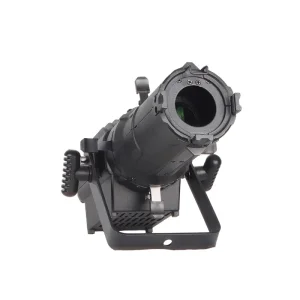
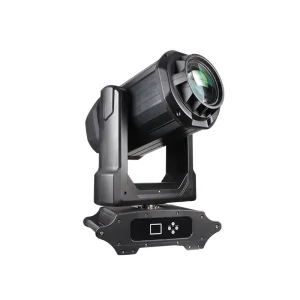
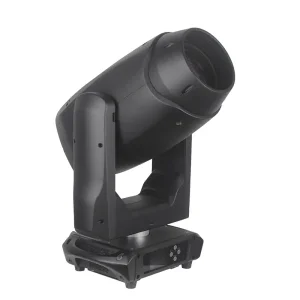
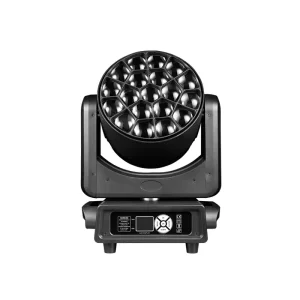
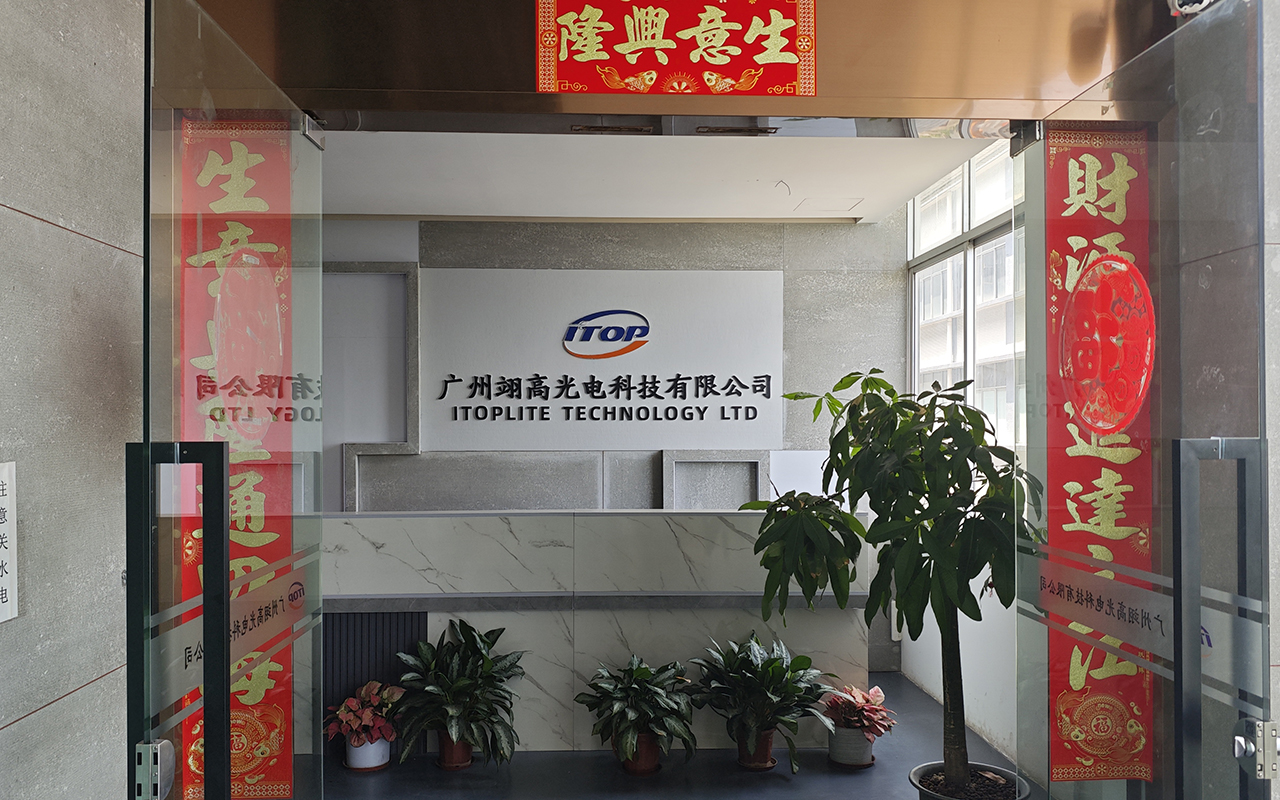
Established in 2014, iTOPLITE (Guangzhou iTOPLITE Technology Co., Ltd.) has emerged as a prominent manufacturing enterprise within the specialized field of optoelectronics. Over the years, we have been dedicated to the production of a diverse range of high-end and mid-range products, with a particular focus on stage lights, LED lights, and comprehensive lighting solutions. The company's mission is to offer customers a seamless one-stop solution experience, catering to all their lighting requirements.
Our commitment to excellence extends from complex optoelectronic engineering to high-precision surface finishing. Mastering mechanical polishing allows our factories to produce flawless reflective housings, robust heat sinks, and structural metal components that guarantee thermal efficiency and longevity under intense performance environments.
Innovation creates value, win-win achieves the future. We focus on continuous optimization of production methodologies, ensuring our customers benefit from state-of-the-art developments in material sciences, surface treatments, and electronic designs.
Innovation is the way to win, and integrity is the foundation of our foundation. We believe in transparency, ethical sourcing, and delivering high-durability products that exceed industrial standards.
Delivering high-purity materials, precision manufacturing, and compliance-driven solutions.
With an unwavering commitment to indoor and outdoor lighting for several years, iTOPLITE Optoelectronics has cultivated a robust R&D team. This team is composed of highly skilled professionals who bring with them extensive industry experience and a passion for innovation. Their collective expertise enables the company to precisely meet the diverse and often complex needs of customers.
The company takes great pride in its ability to address the multifaceted challenges that customers encounter in the realm of lighting and structural metal casings. This includes not only achieving remarkable lighting effects but also ensuring energy conservation, adhering to strict environmental protection standards, and implementing intelligent control systems.
We are committed to bringing high-quality and high-purity materials to every company and research institution that needs them, ensuring that the base substrates used in our products meet the highest standard of durability and thermal dissipation.
iTOPLITE Optoelectronics places a premium on product quality. Our products have successfully passed the ISO14001:2004 Environmental Management System Certification and the ISO9001 International Quality System Certification. These certifications serve as a testament to the company's unwavering dedication to maintaining the highest standards of quality in every aspect of its manufacturing process.
The company firmly believes in the power of technological innovation and places significant emphasis on R&D investment. By continuously allocating resources to research and development, iTOPLITE Optoelectronics manages to stay at the forefront of technological advancements in the optoelectronics industry. This enables them to introduce cutting-edge features and functions into their products.
iTOPLITE Optoelectronics distinguishes itself through its comprehensive service offerings. The company offers a seamless end-to-end service experience, starting from the initial design phase. Our team of experienced designers works closely with customers to understand their unique vision and requirements, translating them into customized lighting and mechanical designs.

This comprehensive approach to service has earned the company a reputation for reliability and customer-centricity in the highly competitive optoelectronics market.
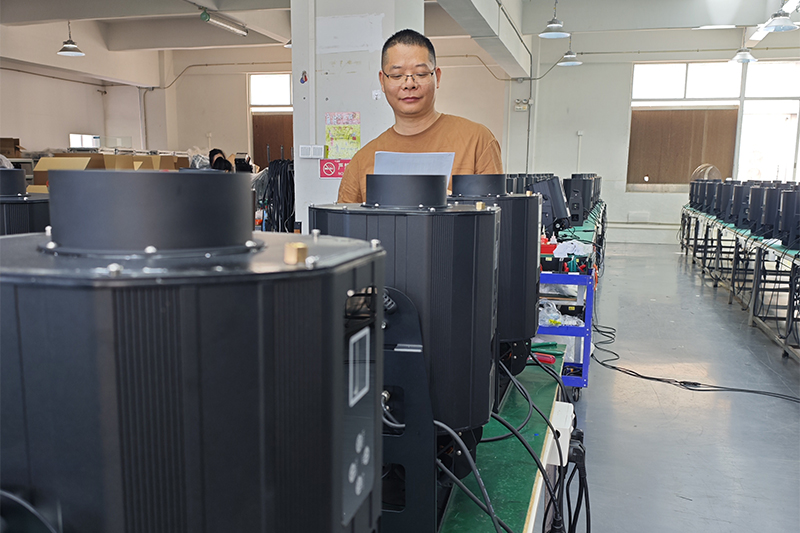
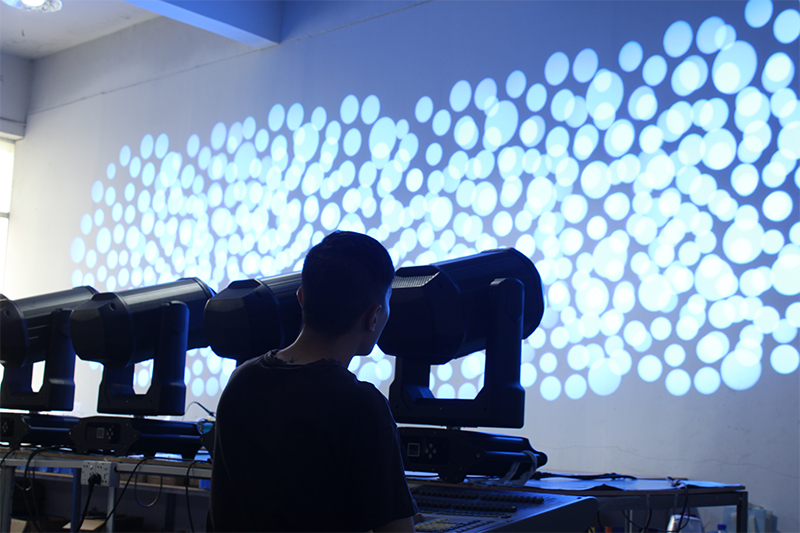
Precision mirror polishing and CE-compliant manufacturing are critical across multiple industrial sectors. By establishing clean, efficient, and standardized production lines, factories can supply parts that meet both sanitary and aesthetic criteria.
For kitchen and medical sinks, a mirror finish reduces micro-cavities where bacteria and pathogens can colonize. In commercial kitchens, the high cleanliness levels required by European hygiene norms are met exclusively by electro-polished or mechanically mirror-polished stainless steel, ensuring compliance with food-grade sanitation guidelines.
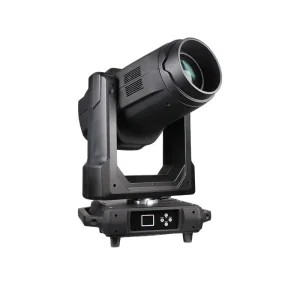
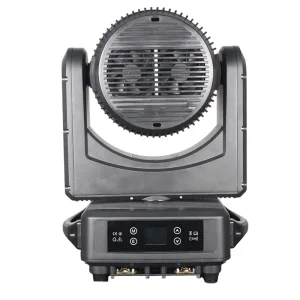
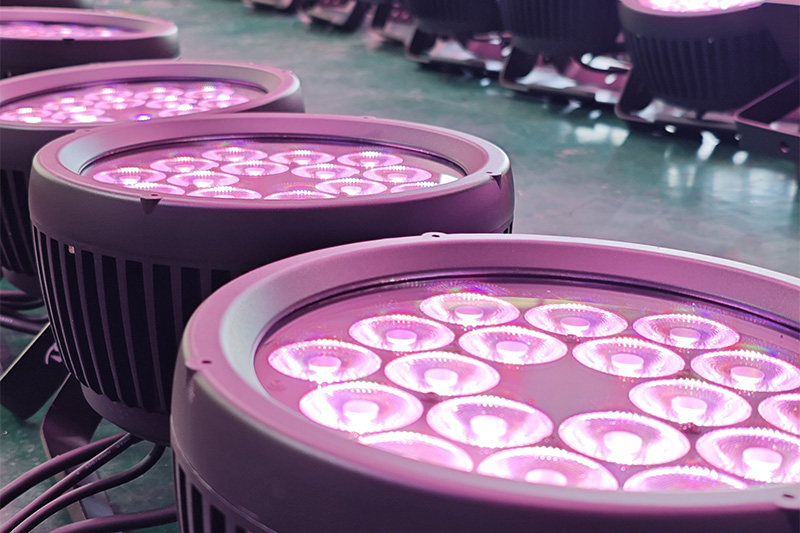
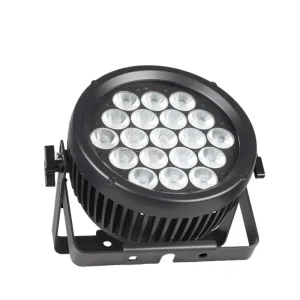
In high-power LED stage illumination (such as 1000W waterproof spotlights), metal chassis and internal heat dissipation modules require optimized surface treatment. Highly reflective, polished aluminum and stainless steel guide internal light paths and maximize optical efficacy, while preventing dust adhesion in IP66 outdoor setups.
The manufacturing industry is shifting rapidly toward automation, eco-friendliness, and smart quality control. Below are the key technological advancements shaping the future of surface finishing and mirror-polishing lines.
Traditional manual polishing introduces human error and safety hazards due to airborne particles. Automated robotic arms with constant-pressure compliance heads ensure uniform material removal, significantly reducing defective rates during mass production of stainless steel sinks.
Electro-polishing uses an electrolytic bath to selectively dissolve microscopic high points on the metal. Future systems utilize eco-friendly organic acids instead of harsh phosphoric-sulfuric mixtures, drastically lowering waste-treatment costs and carbon footprints.
Implementing real-time machine vision systems directly on the conveyor line. Using high-resolution cameras and deep learning models, the system can instantly flag micro-scratches, orange peel, and surface defects before components proceed to packaging.
Industrial guidance, maintenance tips, and B2B sourcing knowledge.
Partner with our certified factory to source high-durability optoelectronics and custom hardware components.
 iTOPLITE