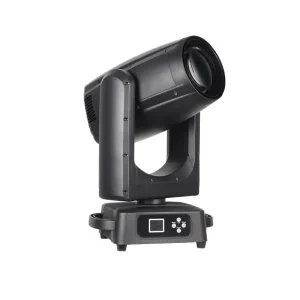
Discover our engineered industrial products built for extreme endurance, featuring precision-machined protective housings and high-purity components.
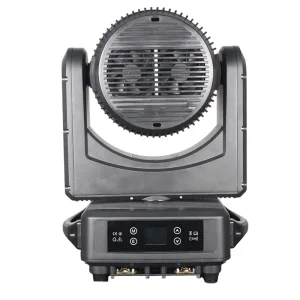
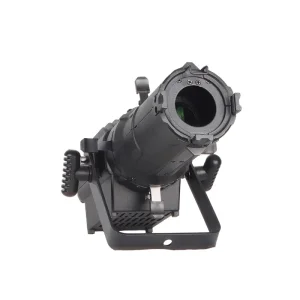
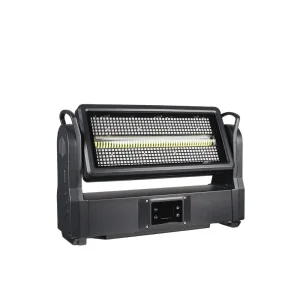
Unveiling the economic drivers, material standards, and architectural demand shaping the future of advanced surface treatment.
In the contemporary landscape of high-end structural engineering, architectural design, and industrial manufacturing, color stainless steel has evolved from a niche decorative finish to an indispensable engineering material. By combining the natural rust-resistant, mechanical properties of austenitic (e.g., AISI 304, AISI 316) and ferritic (e.g., AISI 430) stainless steel with advanced surface coloration technologies, manufacturers now deliver structures that satisfy both aesthetic and environmental requirements.
The global demand for custom color stainless steel is experiencing rapid growth, driven primarily by architectural facades, luxury retail interiors, premium home appliances, and the heavy-duty enclosure demands of electronic devices. Globally, the market is valued at billions of dollars, with a compound annual growth rate (CAGR) reflecting the material’s long lifespan and low lifecycle cost compared to traditional powder-coated or painted metals.
Historically, metal coloring relied on organic coatings (paints) or wet electroplating processes, both of which face challenges regarding durability and environmental sustainability. Today, Physical Vapor Deposition (PVD) has emerged as the premier method for color stainless steel manufacturing. This process occurs in high-vacuum chambers where titanium, zirconium, or chromium is vaporized and deposited as a molecular film on the steel's surface. The result is a coloration layer that does not chip, crack, or peel, while maintaining the underlying metallic texture (such as hairline, mirror, vibration, or sandblasted finishes).
China stands at the center of the world's colored stainless steel supply chain. As the largest producer of raw stainless steel and the leading hub for PVD technology development, Chinese factories provide unparalleled production efficiencies that directly benefit global buyers.
This industrial dominance is built on vertically integrated supply chains. In manufacturing hubs like Guangdong, factories are positioned next to raw coil processing facilities, laser cutting centers, precision CNC sheet metal bending shops, and large-scale PVD coloring chambers. This proximity compresses lead times from weeks to days, allowing for agile responses to custom architectural and industrial specifications.
Furthermore, Chinese manufacturers have heavily invested in automated polishing, automatic sheet loading, and computerized color matching systems. Utilizing spectrophotometers to measure delta-E values, factories ensure consistent color matching across different production runs, addressing a common challenge in large-scale architectural projects.

From architectural elevations to protective equipment housings, discover where color stainless steel plays a structural role.
Exterior curtain walls demand materials that resist UV degradation, acid rain, and wind-borne particulate erosion. Custom colored 316-grade stainless steel with a bronze, gold, or charcoal black PVD finish provides a long-lasting architectural surface that maintains its appearance for decades without fading.
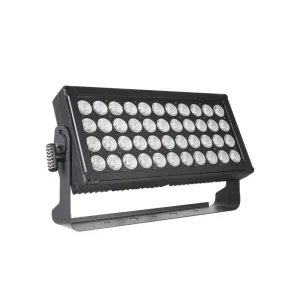
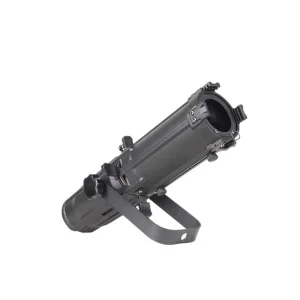
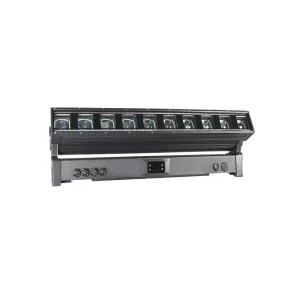
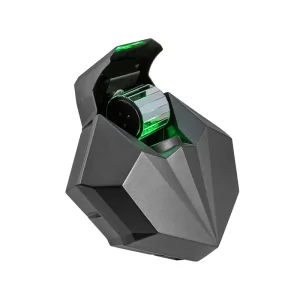
For outdoor optoelectronics, such as waterproof wash lights or stage lighting controllers, standard aluminum housings can oxidize in marine or high-humidity environments. Custom-designed color stainless steel casings, chemically passivated and PVD-coated, offer superior thermal dissipation, structural rigidity, and IP65/IP66 corrosion resistance.
Elevator cabins, premium interior columns, luxury display shelves, and custom handrails benefit from colored stainless steel with anti-fingerprint (AFP) coatings. This technology prevents oil adhesion from touch, keeping surfaces clean in high-traffic commercial spaces.
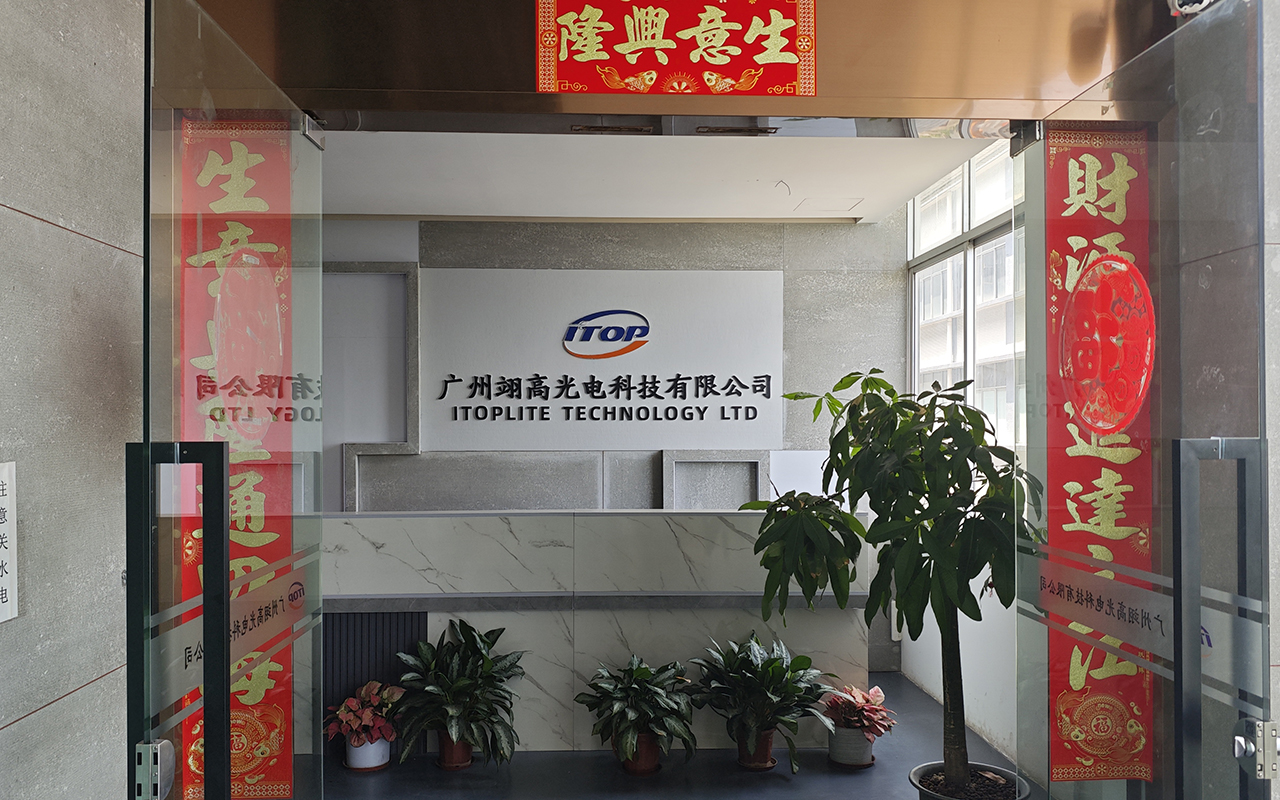
Established in 2014, iTOPLITE (Guangzhou iTOPLITE Technology Co., Ltd.) has emerged as a prominent manufacturing enterprise within the specialized field of optoelectronics and structural metal enclosures. Over the years, it has been dedicated to the production of a diverse range of high-end and mid-range products, with a particular focus on stage lights, LED lights, custom steel structures, and comprehensive lighting solutions. The company's mission is to offer customers a seamless one-stop solution experience, catering to all their structural, decorative, and functional lighting requirements.
With an unwavering commitment to indoor and outdoor lighting for several years, iTOPLITE Optoelectronics has cultivated a robust R&D team. This team is composed of highly skilled professionals who bring with them extensive industry experience and a passion for innovation. Their collective expertise enables the company to precisely meet the diverse and often complex needs of customers, whether it pertains to elaborate stage lighting designs for grand performances or efficient and aesthetically pleasing indoor and outdoor lighting setups for various architectural and commercial spaces.
Innovation creates value, win-win achieves the future.
Innovation is the way to win, and integrity is the foundation of our foundation.
The company takes great pride in its ability to address the multifaceted challenges that customers encounter in the realm of lighting and protective materials. This includes not only achieving remarkable lighting effects but also ensuring energy conservation, adhering to strict environmental protection standards, and implementing intelligent control systems. By doing so, iTOPLITE Optoelectronics creates not just illuminated spaces but truly high-quality light environments that enhance the overall experience and functionality of any given area.
We are committed to bringing high-quality and high-purity materials to every company and research institution that needs them.
iTOPLITE Optoelectronics places a premium on product quality. Its products have successfully passed the ISO14001:2004 Environmental Management System Certification and the ISO9001 International Quality System Certification. These certifications serve as a testament to the company's dedication to maintaining quality standards in every aspect of its manufacturing process. From the careful selection of raw materials to the precise assembly and rigorous quality control checks, each step is monitored to ensure that customers receive products that are not only reliable but also built to last.
The company believes in the power of technological innovation and places significant emphasis on R&D investment. By allocating resources to research and development, iTOPLITE Optoelectronics stays at the forefront of technological advancements in the optoelectronics and metallurgical coating industry. This enables them to introduce advanced features and functions into their products, providing customers with efficient lighting solutions. Whether it's the latest in LED lighting technology, advanced control algorithms for intelligent lighting systems, or novel designs for enhanced lighting effects, the company is constantly pushing the boundaries.
iTOPLITE Optoelectronics distinguishes itself through its comprehensive service offerings. The company offers a seamless end-to-end service experience, starting from the initial design phase. Their team of experienced designers works closely with customers to understand their unique vision and requirements, translating them into customized lighting designs. Once the design is finalized, the production process kicks in, leveraging manufacturing facilities and efficient production lines to ensure timely delivery of high-quality products. The company also provides professional installation services, ensuring that the systems are optimized for performance, along with reliable maintenance and after-sales support.
This comprehensive approach to service has earned the company a reputation for reliability and customer-centricity in the competitive optoelectronics and structural enclosure market.
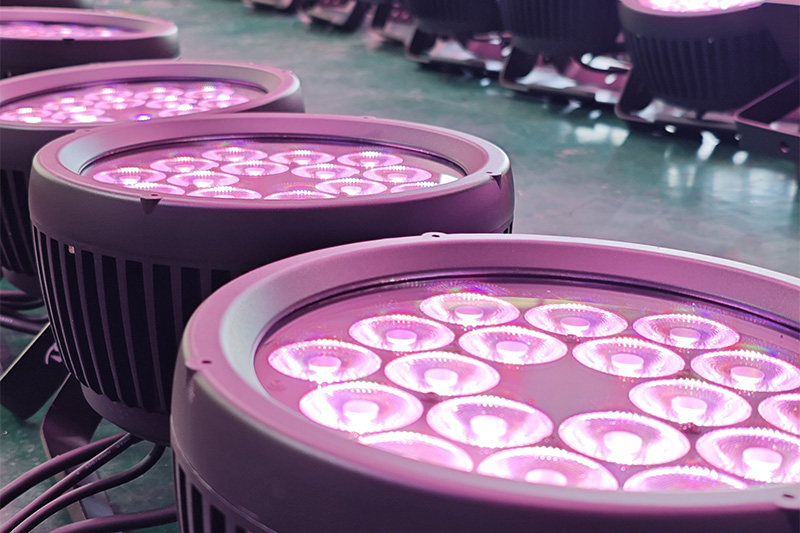
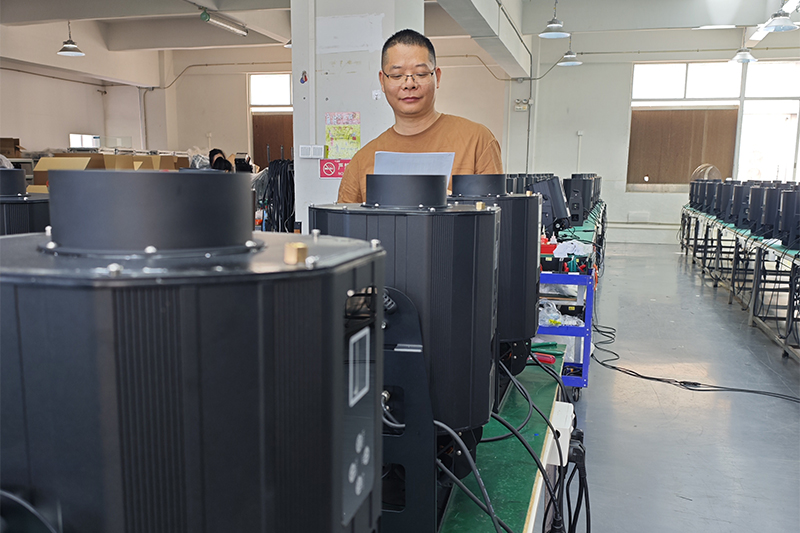
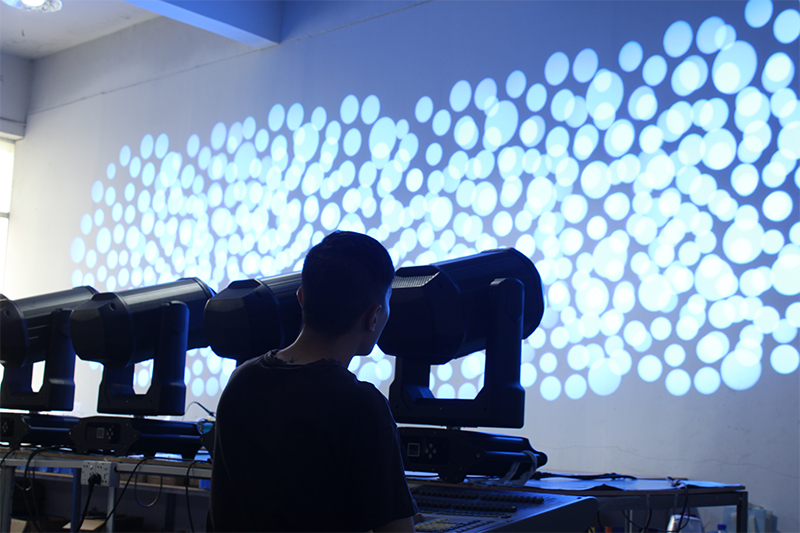
Global procurement teams in architectural, industrial, and optoelectronic sectors face strict compliance requirements. When importing custom color stainless steel panels or pre-fabricated electronic enclosures, buyers must look beyond pricing to verify structural integrity and coating life expectancy.
Key procurement checklist items include:
The industry is experiencing a shift toward sustainable, carbon-neutral processing. Traditional chemical acid baths are being replaced by clean mechanical texturing and closed-loop, emission-free PVD coating lines. These developments align with the green building certifications (such as LEED or BREEAM) requested by developers globally.
Another major trend is the development of multifunctional nano-coatings. By applying an invisible silica or titanium-based layer over the colored PVD surface, factories can offer anti-microbial, hydrophobic, and self-cleaning properties. In outdoor applications, rain washes away dirt, significantly reducing maintenance overhead.
Get answers to common technical questions concerning color stainless steel manufacturing, grade selection, and structural applications.
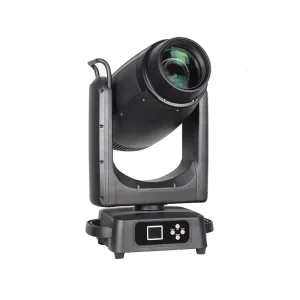
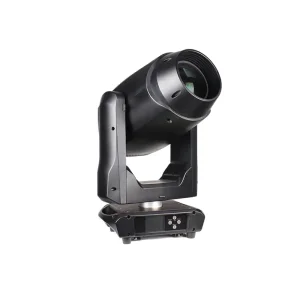
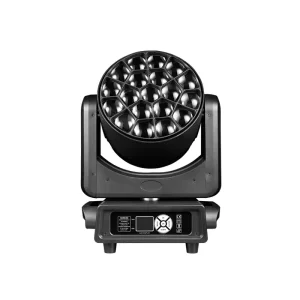
Explore the second half of our manufacturing line, featuring high-power moving heads, floodlights, and waterproof profile lighting.
 iTOPLITE