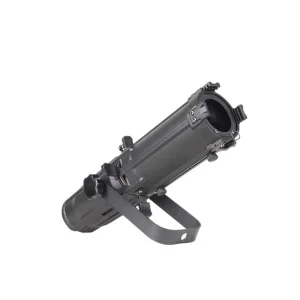
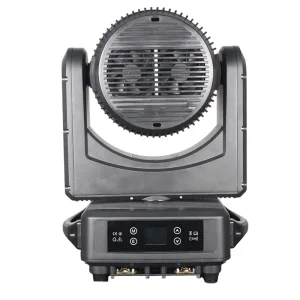
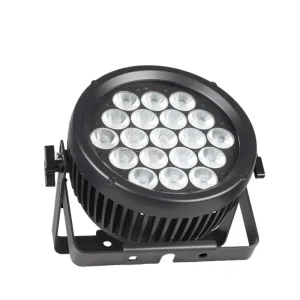
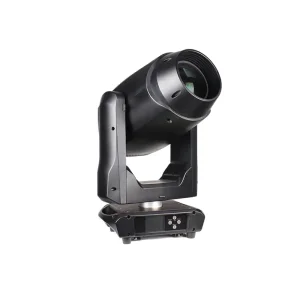
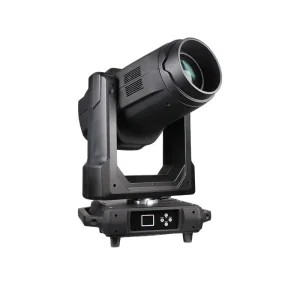
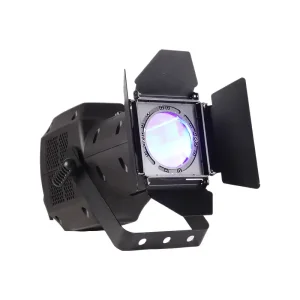
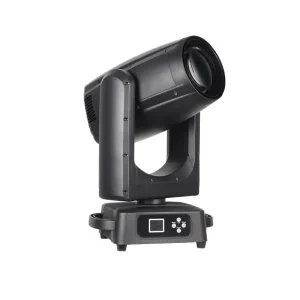
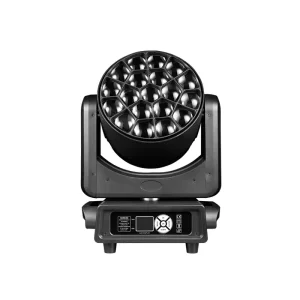
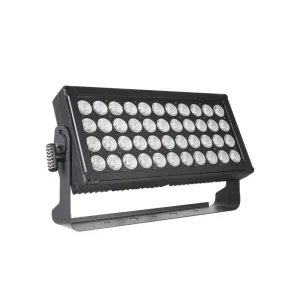
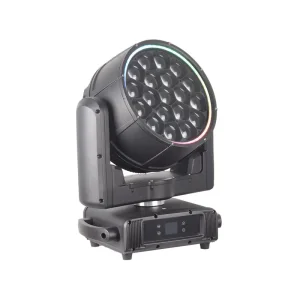
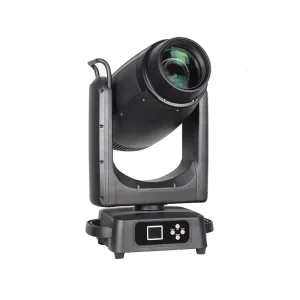
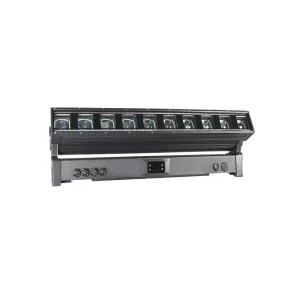
Explore our high-performance optoelectronic systems, certified for professional, marine, and stage applications requiring advanced thermal mitigation and mirror-polished surface treatments.
In high-end optoelectronic device manufacturing and architectural illumination projects, the quality of surface finishing is not merely aesthetic—it is a critical factor in performance, thermal dynamics, and environmental longevity. Polishing stainless steel to a No. 8 mirror finish (ASTM standard) demands a deep understanding of metallurgy, chemical thermodynamics, and abrasives. At iTOPLITE (Guangzhou iTOPLITE Technology Co., Ltd.), our R&D efforts focus on integrating these surface treatments into rugged, highly reflective optical enclosures.
Achieving a mirror finish requires removing microscopic surface irregularities (peaks and valleys) until the surface roughness (Ra) falls below 0.05 micrometers (μm). When light strikes a mirror-finished surface, specular reflection replaces diffuse scattering, which maximizes the luminous efficacy of heavy-duty projectors and optoelectronic lenses. Stainless steel alloys—particularly SUS304 and SUS316L—are chosen for their exceptional mechanical strength and corrosion resistance in marine and outdoor architectural environments.
A step-by-step engineering breakdown of industrial polishing methods utilized in advanced smart factories.
Using progressively finer abrasive belts. The sequence transitions systematically from 80-grit, 120-grit, 240-grit, to 320-grit. This stage eliminates weld seams, surface pitting, and oxidation scale, preparing the substrate for micro-finishing.
Integrating mechanical buffing wheels with cutting compounds (such as green chrome oxide). The high-speed friction generates localized heat that microscopically displaces metal atoms, smoothing out fine lines down to Ra 0.1 μm.
Electropolishing anodically dissolves the micro-peaks of the steel in an acid bath. This forms a chromium-rich passive layer (Cr₂O₃) that prevents corrosion and creates a pristine, distortion-free mirror-like surface.

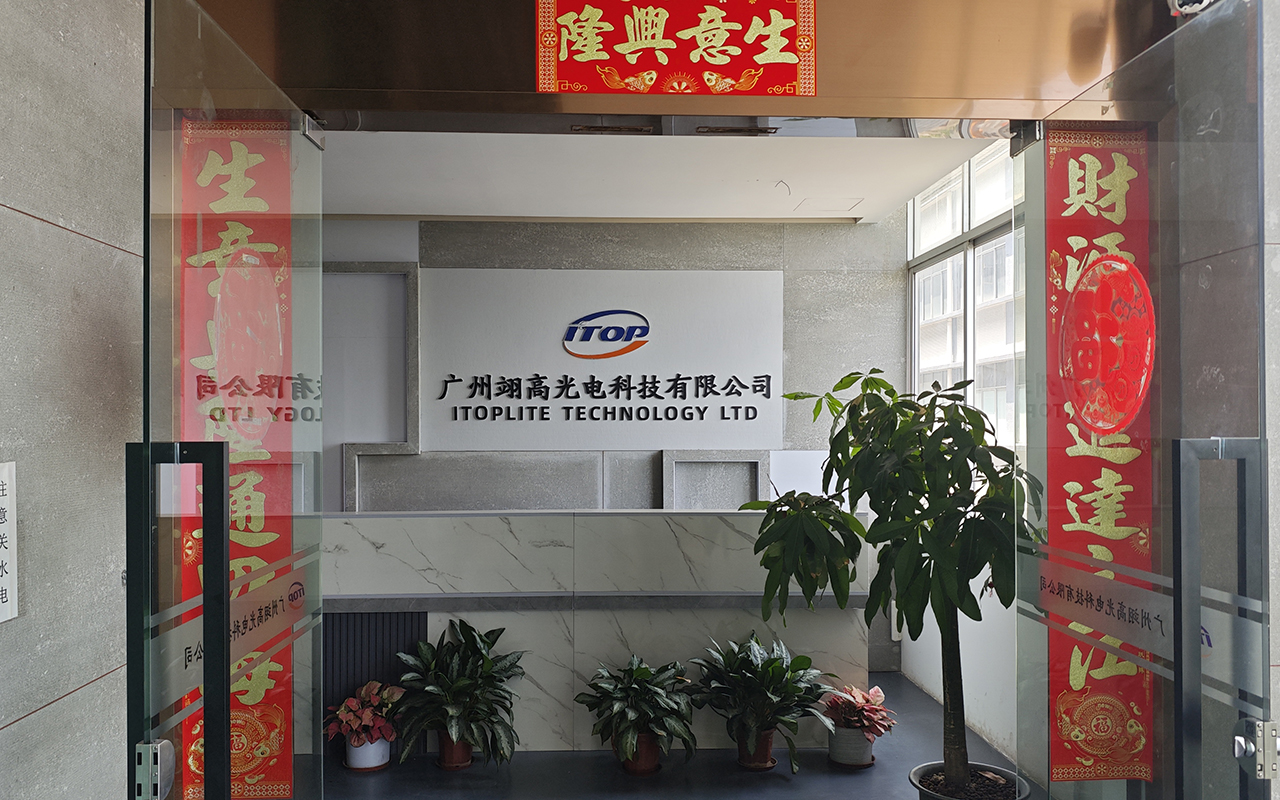
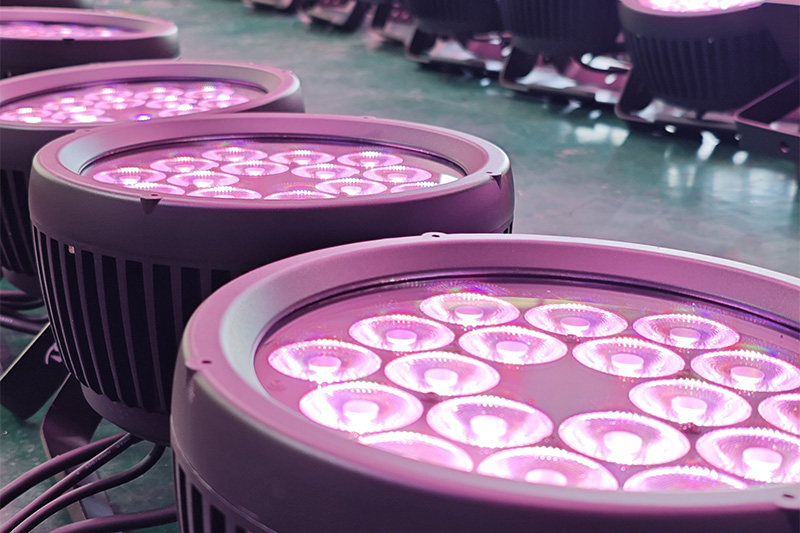
Established in 2014, iTOPLITE (Guangzhou iTOPLITE Technology Co., Ltd.) has developed into an industry-leading manufacturing enterprise specializing in high-end optoelectronics. Our product portfolio spans robust outdoor IP65/IP66 waterproof moving heads, wash lights, DMX512 profile spotlights, and comprehensive system integrations.
Backed by an extensive team of mechanical engineers and optical experts, we address the challenges of severe environmental exposures (high moisture, salinity, and temperature fluctuations) by combining premium materials with precision surface engineering. Our production line operates under strict international benchmarks, ensuring every chassis delivers superior structural integrity and optimal thermal management.
Year Established
Quality System Certified
Target Mirror Roughness (μm)
Waterproof Inspection & CE Approval
How the Pearl River Delta industrial ecosystem powers rapid production and strict quality control.
Located in the heart of Guangzhou, we leverage direct partnerships with China’s leading steel mills and chemical suppliers. This ensures stable access to premium SUS304, SUS316L, and high-purity aluminum alloys, even during global supply line constraints.
By integrating robotic polishing cells and computerized CNC laser cutters, our factory minimizes human error, decreases lead times, and maintains consistency across large production runs of custom metal enclosures.
Our manufacturing processes adhere to the ISO14001:2004 Environmental Management System and the ISO9001 International Quality System. Rigid inspects cover incoming steel testing, abrasive grit calibration, and spectral reflection checks.
Mirror-polished components and high-end outdoor fixtures from iTOPLITE are deployed worldwide. They serve various demanding environments, including:
Ensuring compliance with local environmental regulations and performance certifications across regions.
All optoelectronic fixtures conform to EU directives, ensuring low electromagnetic interference and lead-free electrical designs.
Our housings undergo testing in our private laboratory to verify dustproof sealing and high-pressure water jet resistance.
Partnerships with global regional distributors enable rapid delivery of spare parts, housing components, and complete lighting fixtures.
We provide localized engineering support, covering remote setup help, surface restoration manuals, and DMX integration assistance.
Answers to technical questions about metallurgy, abrasives, and optoelectronic housing maintenance.
Explore our complete product line of profile spotlights, wash lights, and moving head fixtures manufactured at our ISO-certified facilities.
 iTOPLITE