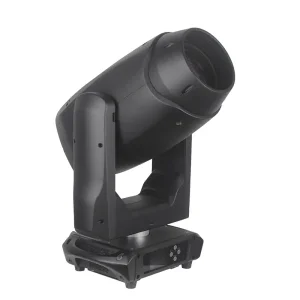
Engineered for color accuracy, flicker-free operations, and seamless DMX control protocols.
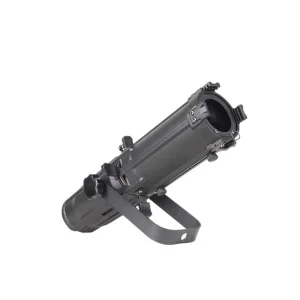
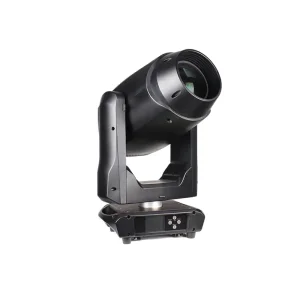
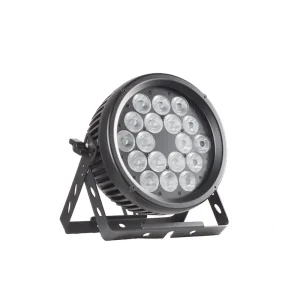
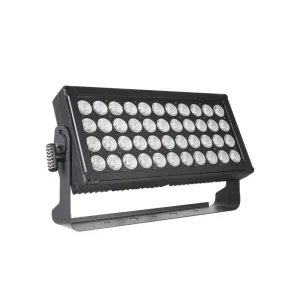
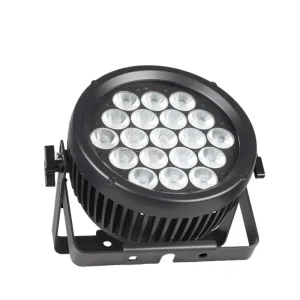
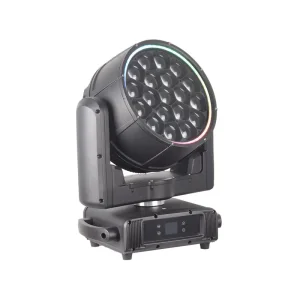
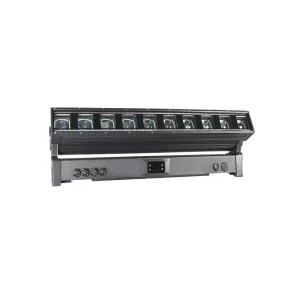
The global market for indoor photography and studio production lighting is experiencing a structural shift towards high-fidelity Solid-State Lighting (SSL) technologies. As digital sensors evolve to higher resolutions—ranging from 8K cinematic systems to ultra-responsive smartphone cameras—the requirements for light quality have become exponentially more stringent. Legacy incandescent, fluorescent, and tungsten lighting configurations are systematically phased out due to poor luminous efficiency, short lifespans, and high thermal emission profiles.
Today, production studios, broadcasters, and commercial photography environments demand modular LED systems capable of high spectral purity. Metric indexes such as CRI (Color Rendering Index), TLCI (Television Lighting Consistency Index), and CQS (Color Quality Scale) are now the standard benchmarks. Standard white light is no longer sufficient; the modern production landscape requires programmable spectrums, micro-step DMX dimming capabilities, and flicker-free operation under high shutter speeds. This market reality establishes direct-from-factory customization as the primary sourcing channel for commercial enterprises, enabling tailor-made configurations optimized for specific spatial layouts and sensor dynamics.
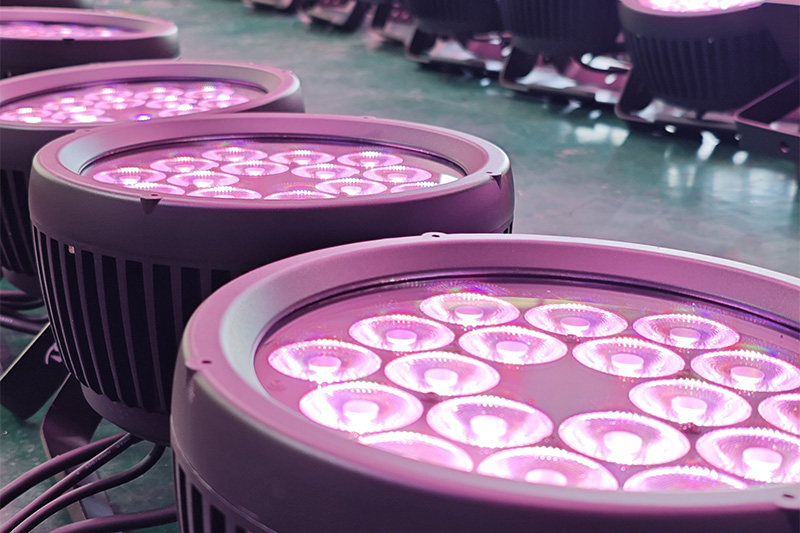
Why global enterprises look to Chinese manufacturing nodes for advanced lighting supply chains.
Guangzhou, the optoelectronic epicenter of Southern China, supports an unparalleled clustering of upstream component manufacturers. From raw semiconductor LED wafers and active cooling mechanisms to high-grade optical lenses and power control boards, our factory enjoys immediate localized access to every critical component, significantly reducing lead times and prototyping cycles.
Operational efficiency is anchored by strict adherence to international protocols. High-performance assembly is backed by ISO9001 and ISO14001 certifications. Automated testing loops—including spectral distribution testing, high-temperature environmental aging, and DMX line stability screenings—guarantee field reliability.
Unlike rigid western distribution models, Chinese factories are structured for dynamic customization. Clients can customize housing materials (extruded aluminum, composite polymer alloys), structural designs, light source configurations (COB, SMD), beam angles (profile zooms, wash spreads), and specialized controller chips.
Established
LED Lifespan
Quality Standards
Precision Color Fidelity
Optimized light properties for specialized studio, staging, and architectural setups.
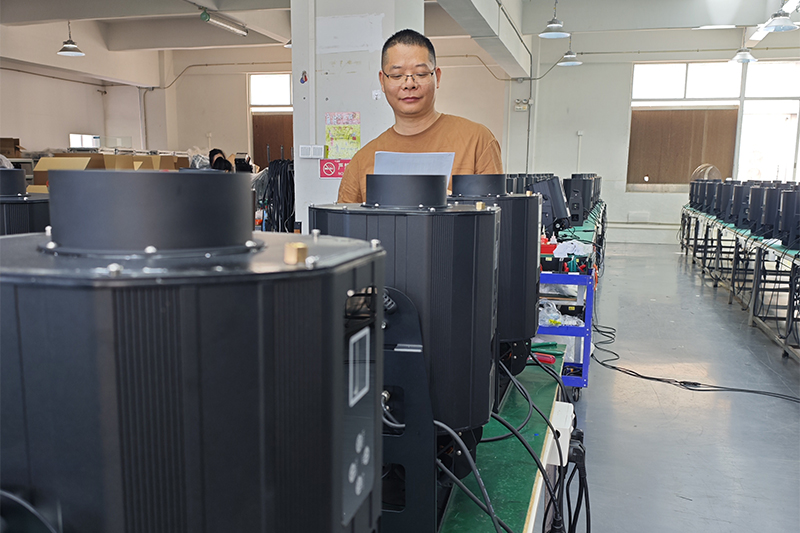
For high-detail portraiture and product photography, skin tones and texture realism are paramount. Our lights offer customizable profiles featuring 3200K to 5600K variables and wide RGBW palettes. High CRI (>95) and R9 values ensure true-to-life red rendition, eliminating the chromatic aberrations common with standard lighting fixtures.
With the rise of continuous live-streaming, studio environments require lighting fixtures capable of hours of uninterrupted operation. Thermal management is critical; our integration of passive copper heat dissipation loops combined with low-decibel smart fans ensures silence on set while protecting the light engine from thermal degradation.
Virtual production volumes utilizing LED walls require camera-sensor synchronization. Our fixtures integrate high-frequency Pulse Width Modulation (PWM) control options, allowing camera operators to configure the lights' refresh rate to prevent screen-flicker or rolling-shutter artifacts even at high frame rates.
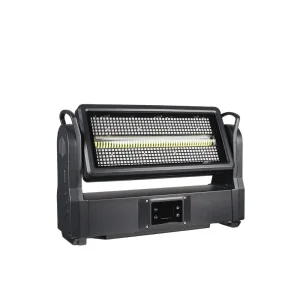
From architectural wash elements to high-power strobe configurations, our lights utilize dual-purpose indoor/outdoor frameworks (IP66 options). The fixtures withstand challenging physical environments while offering versatile control via standard DMX512 connections.
The technological forces dictating next-generation production lighting design.
Future setups will bypass traditional color gels entirely. Software-driven LED engines utilize Multi-Primary color spaces (such as RGBACL - Red, Green, Blue, Amber, Cyan, Lime) to access infinitely variable color gamuts and mimic natural solar spectrum curves throughout the day.
Cabling overhead is a key bottleneck in complex studios. High-performance transceivers using Art-Net, sACN, and CRMX (LumenRadio) systems enable centralized gaffer control from IP-based digital consoles, streamlining adjustments on-the-fly.
With environmental standards like ISO14001, energy conservation is no longer optional. Modern fixtures utilize highly efficient COB (Chip-on-Board) arrays that yield higher lux-per-watt ratios, coupled with aerospace-grade cooling materials to extend diode lifetime.
For B2B procurement managers and lighting design consultants, securing a reliable manufacturing partner involves evaluating metrics beyond initial cost. The criteria listed below are essential for ensuring long-term project viability and operational safety:

Guangzhou iTOPLITE Optoelectronics Technology Co., Ltd — A Decade of Innovation in Professional Light Control
Established in 2014, iTOPLITE (Guangzhou iTOPLITE Technology Co., Ltd.) has emerged as a prominent manufacturing enterprise within the specialized field of optoelectronics. Over the years, it has been dedicated to the production of a diverse range of high-end and mid-range products, with a particular focus on stage lights, LED lights, and comprehensive lighting solutions. The company's mission is to offer customers a seamless one-stop solution experience, catering to all their lighting requirements.
With an unwavering commitment to indoor and outdoor lighting for several years, iTOPLITE Optoelectronics has cultivated a robust R&D team. This team is composed of highly skilled professionals who bring with them extensive industry experience and a passion for innovation. Their collective expertise enables the company to precisely meet the diverse and often complex needs of customers, whether it pertains to elaborate stage lighting designs for grand performances or efficient and aesthetically pleasing indoor and outdoor lighting setups for various architectural and commercial spaces.
"Innovation creates value, win-win achieves the future"
We believe that sustained technological progression is the key to creating real commercial value for our global partner network.
"Innovation is the way to win, and integrity is the foundation of our foundation."
A philosophy that prioritizes client trust, supply chain integrity, and strict adherence to technical and performance standards.
Certified ISO9001 & ISO14001:2004
From structural design to component selection, every manufacturing step is closely monitored to ensure dependable field performance.
From customized design schemas to installation, delivery, and lifecycle maintenance support.
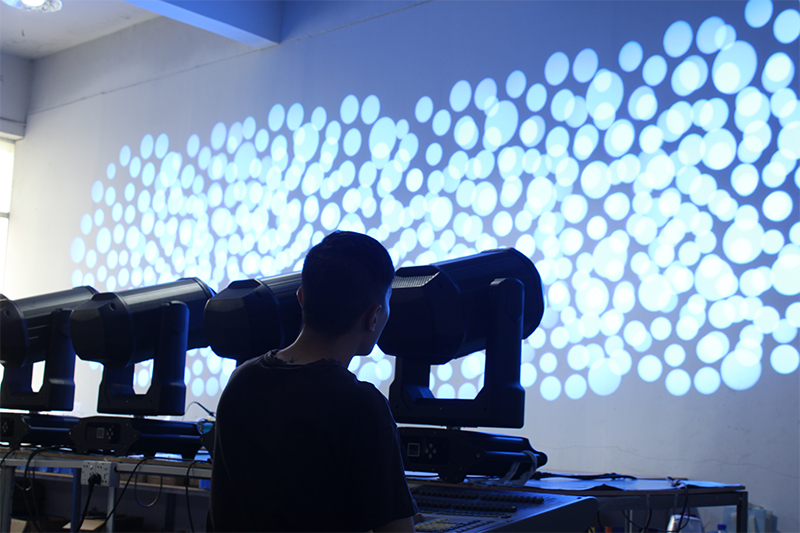
Tailored optoelectronic designs matching structural and project specifications.
Modern assembly using high-purity components and automated testing protocols.
Verified packaging, global delivery, system commissioning, and long-term support.
Service Concept: This comprehensive approach to service has earned the company a reputation for reliability and customer-centricity in the highly competitive optoelectronics market. We work closely with our customers to bring high-quality and high-purity materials to every company and research institution that needs them.
Technical answers to critical questions in commercial lighting projects.
CRI (Color Rendering Index) and TLCI (Television Lighting Consistency Index) measure how accurately a light source renders colors compared to natural daylight or blackbody radiation. For photography and film, standard LEDs can cause color shifts, often visible as green or magenta casts. Lights with CRI >95 and TLCI >95 ensure realistic skin tones and minimize post-production color correction.
LEDs dim by cycling on and off at high speeds, a process known as Pulse Width Modulation (PWM). If this frequency is too low, camera sensors capture it as dark, horizontal banding or flicker. Our professional studio lights utilize high-frequency PWM dimming (often above 20kHz), ensuring flicker-free capture even during high-speed slow-motion videography.
We use active-passive hybrid cooling systems. High-conductivity heat pipes transfer thermal energy away from the LED core to aluminum fins, paired with low-noise fans. This thermal design keeps noise levels below standard audio thresholds in studio settings, preventing interference with audio capture.
Yes. Our R&D team can customize structural profiles, output parameters, and controls. This includes altering beam angles, integrating specialized LED configurations, mounting options, and customizing firmware interfaces for DMX and RDM.
Our products hold CE, RoHS, and other international certifications, while manufacturing adheres to ISO9001 and ISO14001 quality and environmental management systems. This guarantees regulatory compliance and product reliability across various international markets.
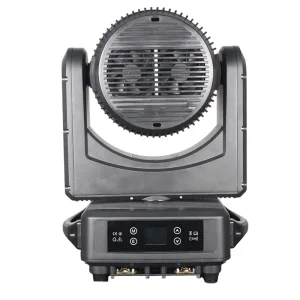
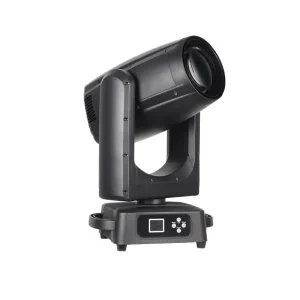
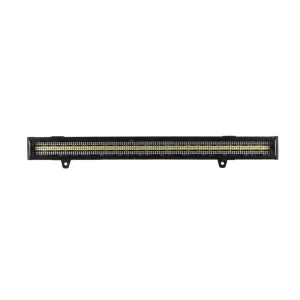
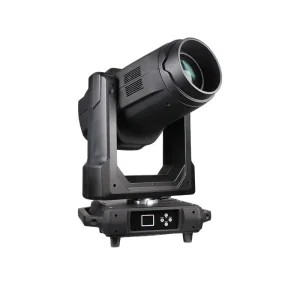
High-power, IP-rated options designed for structural indoor and outdoor installations.
 iTOPLITE