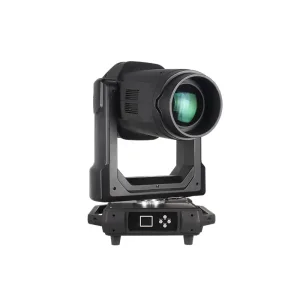
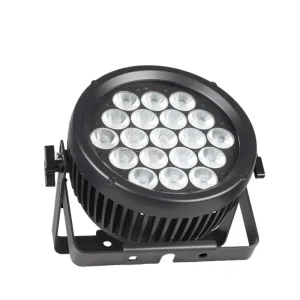
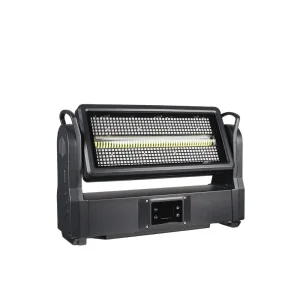
Elevating spatial aesthetics, path navigation, and safety compliance with engineered luminaire design and high-tech manufacturing.
Premium moving head control, strobes, and architectural wash solutions engineered for high performance.
Indoor step lighting has transitioned from basic utility navigation to a critical pillar of architectural layout, safety engineering, and human-centric design. In commercial facilities, public venues, and premium residential spaces, selecting the best indoor LED step lighting demands an understanding of optical control, power efficiency, structural durability, and aesthetic alignment.
As a leading supplier and factory partner, we recognize that step lighting must mitigate two opposing challenges: providing enough horizontal illuminance for safe traversal while eliminating vertical glare that could blind users. Achieving this delicate balance requires precision optics, specialized shielding (louvered or hooded faceplates), and advanced LED driver integration that allows for smooth dimming curve calibration.
Modern commercial specification sheets focus heavily on specific performance parameters to ensure compliance with building regulations like the American Disabilities Act (ADA) and international building codes (IBC):
Established
9001 & 14001 certified
Strict QC Inspection
Hour LED Lifespan
Why global enterprises source their lighting configurations from our state-of-the-art Guangzhou factory.
Our facility houses high-precision aluminum extrusion tools, enabling bespoke profile creation that accommodates diverse wall recesses, plaster-in drywalls, and masonry applications.
Surface-mount technology (SMT) lines populate our circuit boards with high-efficiency LEDs, maintaining strict binning control to guarantee uniform color temperature across batches.
From thermal-imaging testing to environmental salt-spray exposure chamber testing, every luminaire undergoes multi-phase quality reviews to prevent mid-operation failures.
Established in 2014, iTOPLITE has emerged as a prominent manufacturing enterprise within the specialized field of optoelectronics. Over the years, the organization has dedicated its resources to the design, engineering, and production of a diverse range of high-end and mid-range products. Our technical focus spans architectural installations, stage lights, custom LED step lights, and comprehensive commercial lighting solutions.
Our core mission is to offer global businesses a seamless, one-stop procurement and engineering solution experience. We address all lighting, control, and structural casing requirements under one roof, reducing development cycles and expediting global distribution.
Innovation creates value, and win-win relationships achieve the future.
Innovation is the way to win, and integrity is the core foundation of our operations.
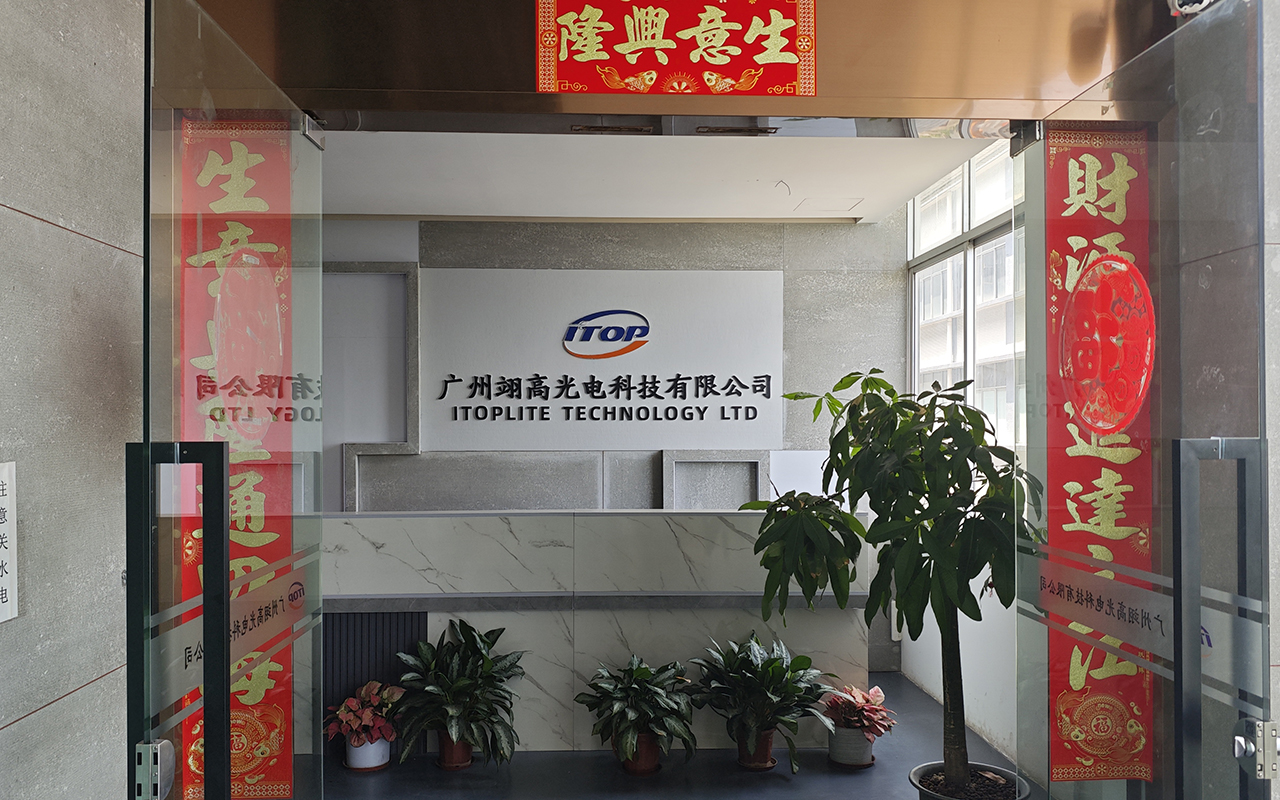

With an unwavering commitment to indoor and outdoor lighting over the last decade, iTOPLITE Optoelectronics has cultivated a robust, multi-disciplinary R&D team. This team is composed of highly skilled professionals who bring extensive mechanical, thermal, optical, and electrical engineering expertise to the table.
Their collective knowledge enables the company to precisely meet the complex, high-spec requests of global clients. Whether designing custom indoor step fixtures for public auditoriums or staging durable, high-impact exterior architectural systems, our development pipeline is optimized for speed, precision, and reliable real-world performance.
We address complex lighting challenges by balancing technical output, efficiency, and system reliability.
Our operations are certified under ISO9001 and ISO14001. We manage production variables from raw metal casting and LED binning selection to final circuit assembly, ensuring every batch meets international safety guidelines.
We invest heavily in R&D, implementing features like programmable constant-current ICs, digital addressable dimming protocols (0-10V, DMX512, DALI), and thermal protective heat-sinking profiles.
From custom photometric simulations (DIALux) and mechanical modeling to rapid manufacturing, professional assembly guidance, and direct logistics management, we oversee the entire product lifecycle.
Architectural lighting design is moving toward integration and minimal visual clutter. Understanding these shifts allows specifiers to future-proof their builds and optimize lighting investments:
Visible metal flanges are increasingly replaced by trimless, mud-in aluminum channels. Once installed and plastered over, these channels create a seamless glow directly from the wall structure, hiding the physical luminaire frame entirely.
Aligning with biological circadian rhythms, step lighting is transitioning from static color temperatures to dynamic warm-dim systems (shifting from 3000K down to a warm 1800K during late evening hours). This creates an ambient transition while retaining crucial path safety lights.
Integrating step lights with passive infrared (PIR) motion sensors or building automation systems (BACnet, Crestron, Lutron) reduces energy consumption. Step lights can remain at a dimmed 10% standby output and brighten smoothly to 100% when occupancy is detected.
Delivering high-purity materials, precision engineering, and complete optical compliance to design houses worldwide.
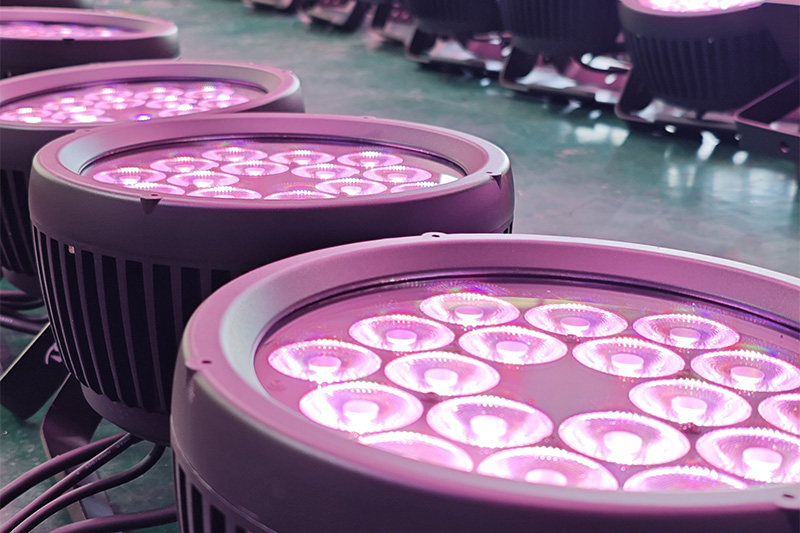
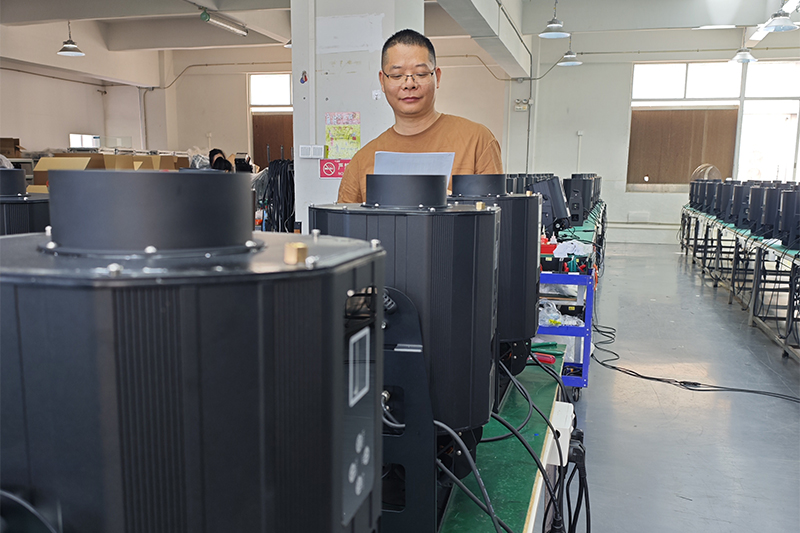
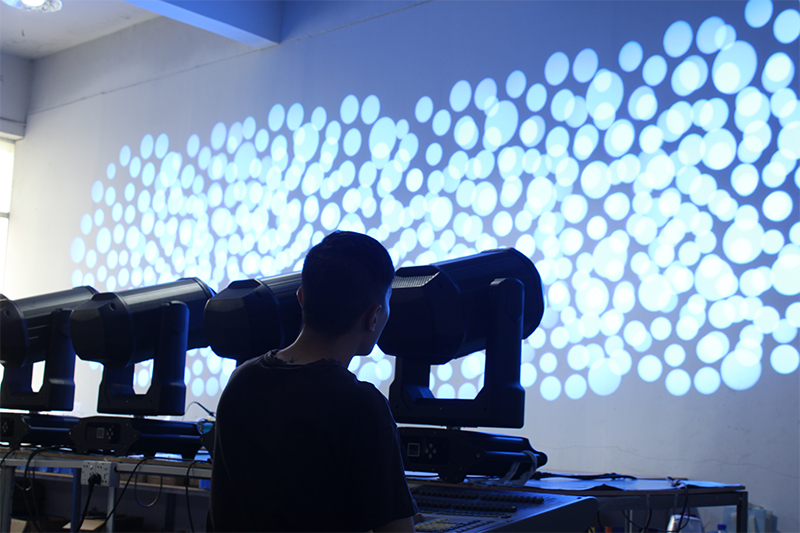
Sourcing lighting equipment internationally requires compliance with local regulatory guidelines. A failure to conform can lead to costly custom holdups or project shutdowns. We ensure our materials, power boards, and fixtures meet strict global standard structures:
Our logistical department manages international distribution channels. We offer Delivered Duty Paid (DDP) shipping directly to construction sites, commercial developments, or local warehousing hubs across Europe, North America, and Australia. This eliminates the burden of tariff processing, duty documentation, and port clearances for our B2B partners.
Essential insights for procurement directors, architectural lighting specifiers, and distributors.
Waterproof wash luminaires, high-power profile lamps, and spot solutions engineered for rugged operations.
 iTOPLITE