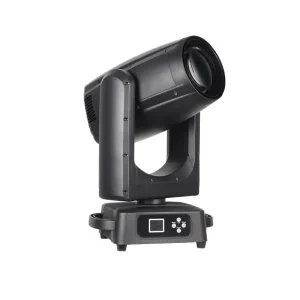
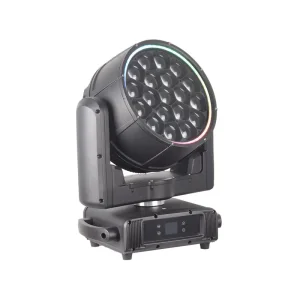
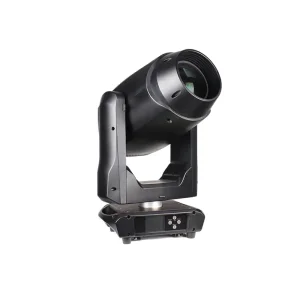
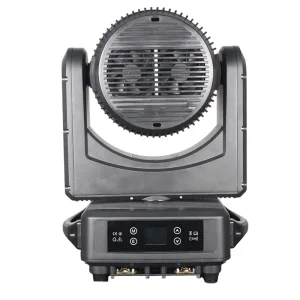
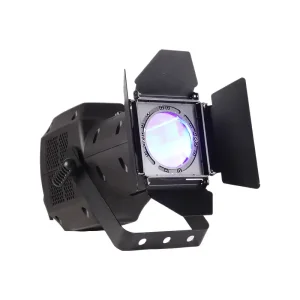
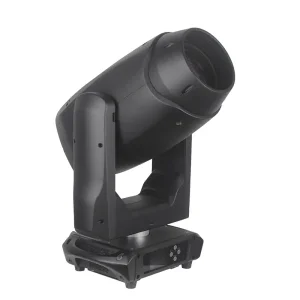
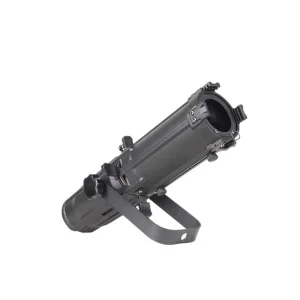
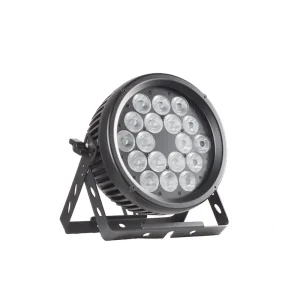
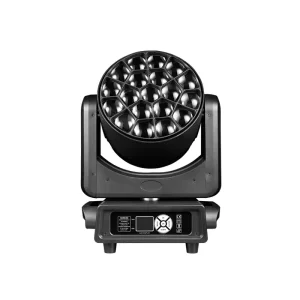
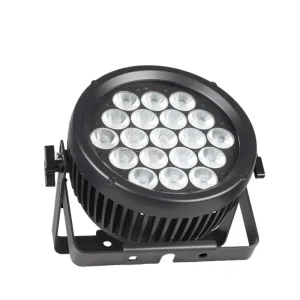
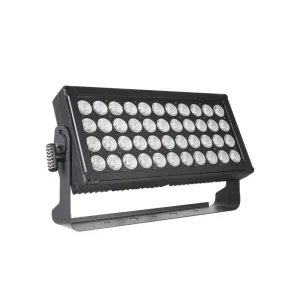
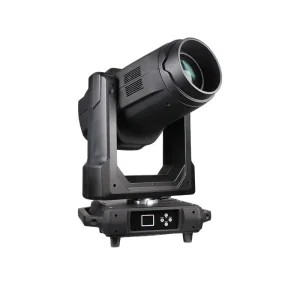
Explore our top-performing optoelectronic fixtures engineered for professional architectural and performance stages.
An Industry Whitepaper on Optical Precision, Thermal Management, and Global Manufacturing Standards.
In the field of high-performance architectural and stage optoelectronics, ceiling-mounted LED spotlights represent a critical convergence of optical control, thermal dynamics, and electronic integration. Selecting the optimal lighting supplier requires looking beyond superficial luminaire aesthetics. It demands a deep understanding of spectral distribution, driver topologies, heat-pipe efficacy, and regulatory compliance. Global project developers, lighting engineers, and procurement managers prioritize partners who offer detailed photometric data, reliable supply chains, and localized compliance support to assure long-term return on investment.
Modern commercial architectures require specific beam footprints. Precision lenses, such as Total Internal Reflection (TIR) optical matrices, are utilized to shape the light cone and minimize stray light. The goal is to maximize optical lux delivery at the target plane while maintaining a low Unified Glare Rating (UGR < 19). Furthermore, critical applications demand high Color Rendering Indices (CRI Ra ≥ 90, R9 ≥ 50) and strict color consistency within 3-step MacAdam ellipses (SDCM ≤ 3). These characteristics prevent variations in color temperature across continuous linear runs or matrix layouts.
The lifespan of a high-power LED chip depends on maintaining a low junction temperature. High-quality ceiling mounted spotlights feature die-cast aluminum heat sinks with optimized convection channels. When LED junction temperatures exceed 85°C, luminous decay accelerates and color shifts occur. To prevent this, professional suppliers utilize advanced ceramic substrates, phase-change interface materials, and high-performance drivers with active thermal fold-back protection. Ripple-free constant-current drivers are critical, as they prevent optical flicker and protect sensitive optical recording equipment in digital broadcast environments.
Verified production values and architectural compliance metrics driving global infrastructure developments.
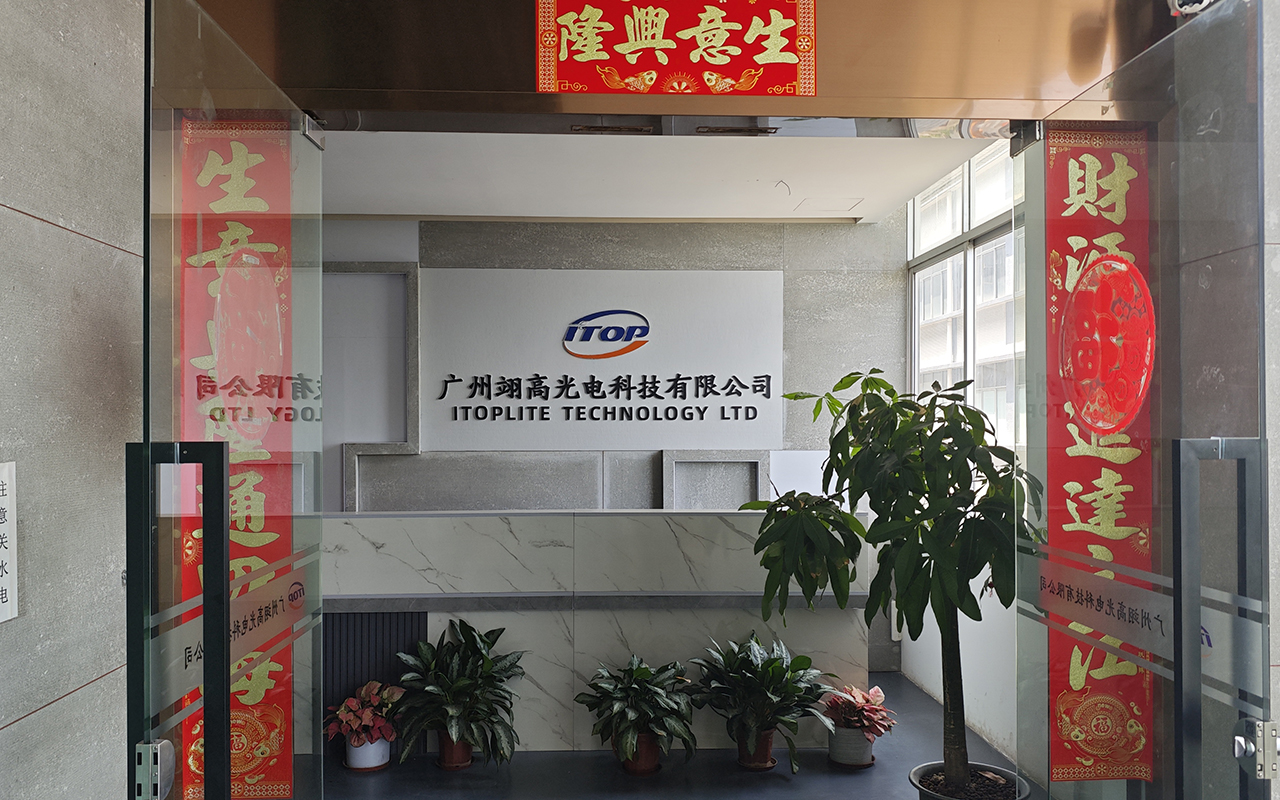
Established in 2014, iTOPLITE (Guangzhou iTOPLITE Technology Co., Ltd.) has emerged as a prominent manufacturing enterprise within the specialized field of optoelectronics. Over the years, it has been dedicated to the production of a diverse range of high-end and mid-range products, with a particular focus on stage lights, LED lights, and comprehensive lighting solutions. The company's mission is to offer customers a seamless one-stop solution experience, catering to all their lighting requirements.
Backed by an unwavering commitment to indoor and outdoor lighting for several years, iTOPLITE Optoelectronics has cultivated a robust R&D team. This team is composed of highly skilled professionals who bring with them extensive industry experience and a passion for innovation. Their collective expertise enables the company to precisely meet the diverse and often complex needs of customers, whether it pertains to elaborate stage lighting designs for grand performances or efficient and aesthetically pleasing indoor and outdoor lighting setups for various architectural and commercial spaces.
"Innovation creates value, win-win achieves the future"
We believe long-term alignment with structural engineers and system integrators yields high-performance spatial installations.
"Innovation is the way to win, and integrity is the foundation of our foundation."
Our operational framework prioritizes transparency in photometric testing, structural specifications, and supply chain logistics.
The company takes great pride in its ability to address the multifaceted challenges that customers encounter in the realm of lighting. This includes not only achieving remarkable lighting effects but also ensuring energy conservation, adhering to strict environmental protection standards, and implementing intelligent control systems. By doing so, iTOPLITE Optoelectronics creates not just illuminated spaces but truly high-quality light environments that enhance the overall experience and functionality of any given area.
Integrated manufacturing and quality systems designed to support global procurement networks.
iTOPLITE Optoelectronics places a premium on product quality. Its products have successfully passed the ISO14001:2004 Environmental Management System Certification and the ISO9001 International Quality System Certification. These certifications serve as a testament to the company's dedication to maintaining the highest standards of quality in every aspect of its manufacturing process. From raw material selection to structural assembly, every phase is controlled to deliver high performance.
We continuously allocate resources to research and development, allowing iTOPLITE to integrate cutting-edge features into our fixtures. This includes advanced LED engines, custom control algorithms for intelligent digital systems, and thermal models designed to prevent lumen depreciation. Our optical designs provide clean beam projections suitable for demanding commercial projects.
From initial optical concept design through production, custom configuration, installation guidance, and post-installation support, we offer a complete project lifecycle service. Our engineers work directly with procurement officers to verify structural mounting details, electrical layouts, and DMX address maps before shipment.
Guangzhou serves as a global center for professional stage lighting and optoelectronic technology. The local manufacturing cluster provides immediate access to high-purity aluminum alloys, high-performance optical lenses, and specialized driver chipsets. This concentration of resources enables rapid prototyping, cost-efficient scaling, and streamlined logistics. By leveraging these regional dynamics, iTOPLITE provides competitive lead times and customizable configurations that meet the specialized needs of global commercial and entertainment lighting projects.

High-quality lighting systems must comply with international electrical safety and electromagnetic standards to ensure safety and long-term reliability. Professional installations require compliance certifications like CE, UL, FCC, and RoHS. These standards verify that fixtures can withstand high-voltage surges, operate without causing electromagnetic interference on local control networks, and limit hazardous substances in their construction.
For international projects, localized service and technical support are critical. System integrators require detailed engineering documentation, including IES photometric files, BIM models for architectural planning, and DMX channel sheets. Reliable suppliers offer comprehensive pre-sales configuration services to ensure fixtures operate correctly within existing structural and digital control setups.
Modern ceiling mounted spotlights and wash luminaires integrate with standard digital control protocols. RDM (Remote Device Management) compatibility allows engineers to address, monitor, and diagnose fixtures remotely, reducing maintenance costs in high-ceiling environments.
By using highly recyclable alloys and focusing on driver efficiency, modern luminaires help projects meet green building standards like LEED and BREEAM. Efficient power conversion minimizes thermal output, reducing the energy needed for HVAC systems in enclosed spaces.
From indoor galleries to exposed outdoor structures, ingress protection is critical. Incorporating waterproof breathing valves, silicone gaskets, and corrosion-resistant powder coatings prevents internal condensation and extends structural lifetime in challenging environments.
The architectural and entertainment lighting industries are shifting toward more adaptable fixtures. Fixed-output ceiling lights are increasingly replaced by dynamic luminaires featuring variable zoom angles, tunable white spectrums, and multi-color LED modules. Additionally, the integration of IoT control interfaces allows automated scheduling, energy tracking, and predictive maintenance based on driver run-time data.
Another emerging trend is the demand for multi-functional profile spotlights. These units allow lighting designers to project sharp geometric shapes, adjust soft-edge washes, and insert custom gobos directly from the control console. This versatility reduces the total fixture count in multi-purpose venues, lowering installation costs and simplifying system management.
A visual representation of our manufacturing processes, testing protocols, and product assemblies.
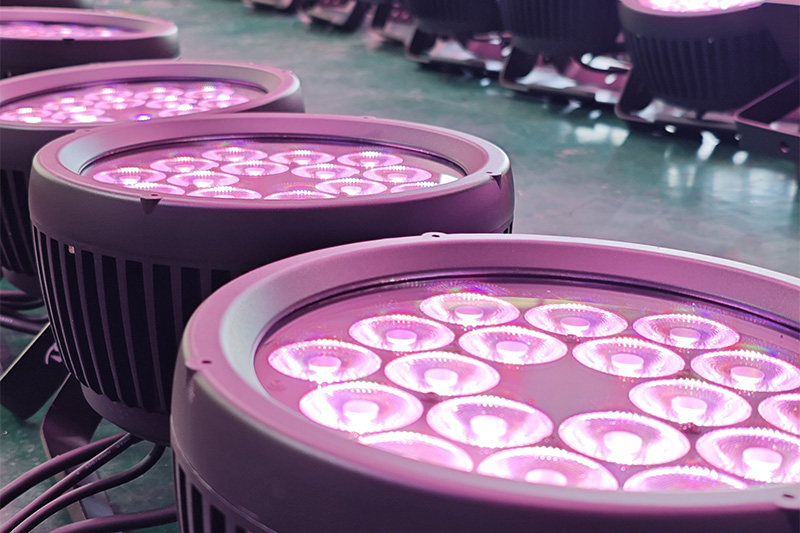
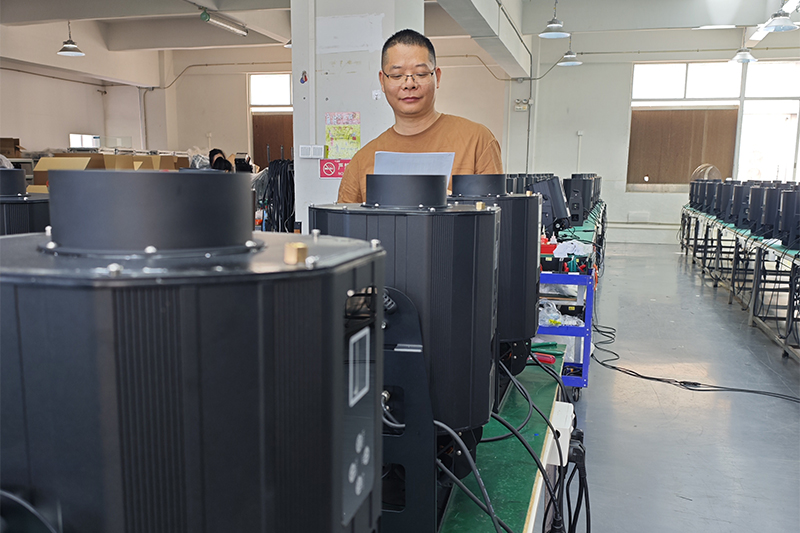
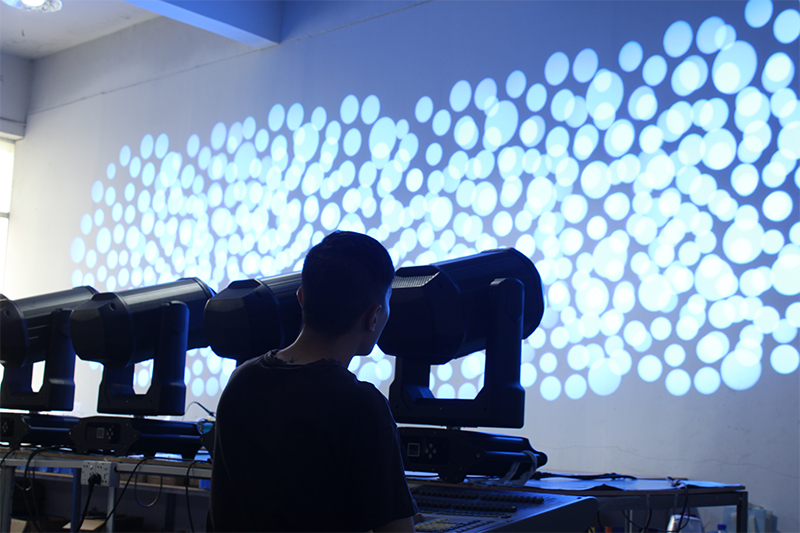
Crucial procurement and architectural answers for system integrators and electrical consultants.
High-powered, certified project fixtures for indoor and outdoor environments.
 iTOPLITE