Explore our premium product portfolio designed for high-performance architectural, entertainment, and industrial environments.
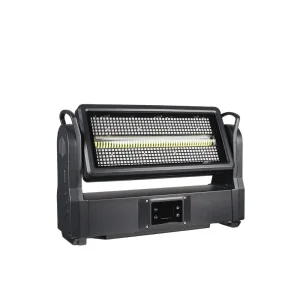
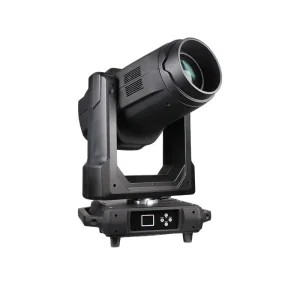
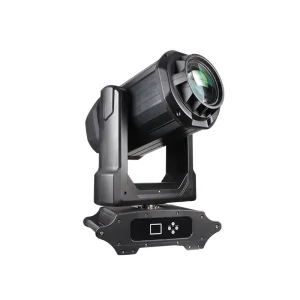
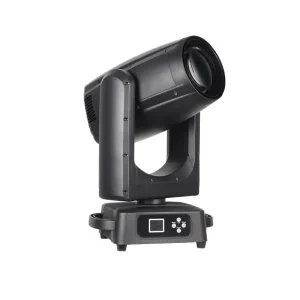
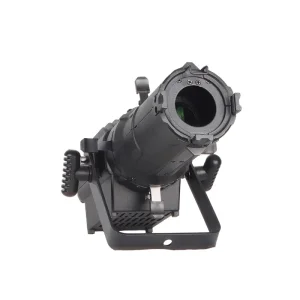
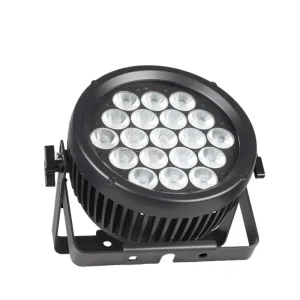
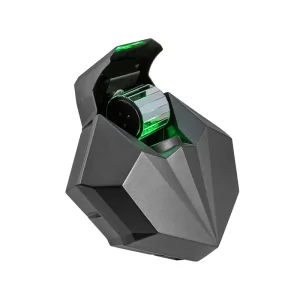
Pioneering Global Illumination Systems & Manufacturing Excellence Since 2014
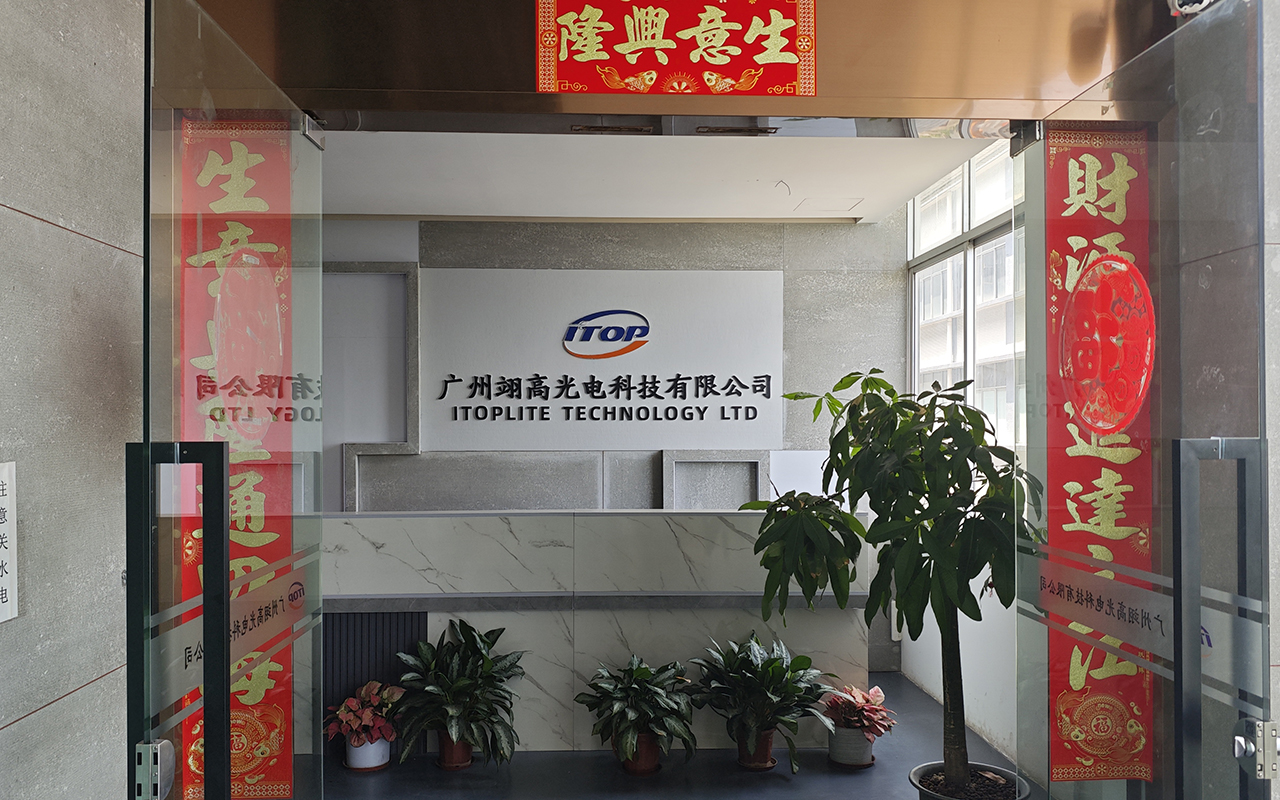
Established in 2014, iTOPLITE (Guangzhou iTOPLITE Technology Co., Ltd.) has emerged as a prominent manufacturing enterprise within the specialized field of optoelectronics. Over the years, we have dedicated ourselves to the production of a diverse range of high-end and mid-range products, with a particular focus on stage lights, LED floodlights, architectural luminaires, and comprehensive custom lighting solutions. The company's core mission is to offer global customers a seamless, one-stop optoelectronic engineering experience, catering to the most demanding lighting specifications.
“Innovation creates value, and win-win achieves the future. This management idea shapes our operational strategy, while our core corporate culture dictates that innovation is the way to win, and integrity is the absolute foundation of our organization.”
With an unwavering commitment to indoor and outdoor lighting design, iTOPLITE has cultivated a robust, highly skilled R&D team composed of optical, mechanical, thermal, and electrical engineers. This team brings extensive industry experience and a passion for engineering breakthroughs. Their collective expertise enables us to precisely meet complex client specifications, whether delivering precise DMX512-controlled theatrical luminaires or large-scale architectural projects requiring high-efficiency floodlight fixtures.
The Physics and Engineering Behind High-Performance Indoor Flood Light Fixtures
Indoor flood lighting has evolved from simple illuminative panels into sophisticated optoelectronic systems. Engineering high-performance indoor flood light fixtures requires an intimate understanding of thermodynamics, optical physics, and solid-state chip architecture. For projects ranging from large industrial facilities and sporting arenas to auditoriums and multi-tier commercial galleries, specifying the appropriate fixture is crucial for maximizing efficiency, structural lifespan, and visual comfort.
To provide high-quality lighting, engineers must balance multiple variables: luminous efficacy (expressed in lumens per watt), color rendering metrics (CRI, TLCI, and TM-30-15), unified glare ratings (UGR), and electromagnetic compatibility. For instance, high-intensity indoor flood lights must project balanced distributions of light over wide areas without introducing hot spots or glare, which can impact productivity or compromise broadcast quality.
The lifetime of an LED chip is directly correlated with its junction temperature. High-wattage indoor floodlights, especially units exceeding 100W, produce localized thermal energy that must be dissipated rapidly to prevent chromaticity shift and lumen depreciation. Modern factories utilize heavy cold-forged aluminum alloy (A380 or 6063-T5) structures with optimized heat-sink fins designed for passive convection. Advanced heat pipes and vapor chamber technologies are often integrated into higher-output fixtures (e.g., 600W and 1000W models) to ensure stable thermal envelopes under prolonged operation.
Achieving optimal light distribution is dependent on secondary optics. In indoor flood light design, precision-molded PMMA or polycarbonate lens arrays are deployed over COB (Chip-on-Board) or SMD (Surface-Mounted Diode) arrays. By calibrating the lens geometry, manufacturers can produce symmetric or asymmetric beam distributions (ranging from narrow 15° beam angles for high-ceiling installations to wide 120° floods for expansive floor spaces). This minimizes ambient light spill, maximizes target lux levels, and reduces optical waste.
The Structural and Supply Chain Advantages of the World's Leading Optoelectronics Ecosystem
China continues to be the dominant global hub for solid-state lighting manufacturing. When sourcing indoor flood light fixtures, partnering directly with leading Chinese manufacturers like iTOPLITE provides key advantages that help secure market share, control capital expenditure, and ensure long-term product reliability.
From primary raw aluminum extrusion plants and SMT circuit board assembly lines to precision driver manufacturing and packaging, the entire supply chain is geographically localized. This allows for rapid raw material sourcing and shorter production cycles.
Chinese engineering teams excel at converting design concepts into physical prototypes within weeks. Utilizing rapid 3D modeling, optical trace simulation, and CNC prototyping, iTOPLITE can quickly iterate custom specifications to match specific design requirements.
Our manufacturing processes adhere to stringent international standards, including ISO9001 and ISO14001 certifications. Extensive testing procedures—such as goniophotometer testing, thermal chamber cycles, and IP65/IP66 ingress validation—ensure every fixture meets high-performance expectations.
Furthermore, China's continuous investments in automated assembly, intelligent solder paste inspection, and robotic optical testing guarantee consistent product quality. By eliminating manual handling errors in critical stages (like driver soldering and LED chip mounting), we ensure that high-volume orders deliver uniform performance across all units.

Anticipating Technological Shifts in Commercial and Theatrical Venues
The global optoelectronics landscape is shifting toward intelligent, highly controllable, and sustainable platforms. Project designers and procurement managers must understand these key trends to prevent asset obsolescence and maximize long-term return on investment.
Traditional on/off lighting setups are rapidly being replaced by intelligent control protocols. Modern commercial projects require seamless integration with Building Management Systems (BMS) through DALI-2 or Knx networks, enabling automated daylight harvesting and occupier-responsive dimming. For theatres, broadcast studios, and multipurpose arenas, multi-channel DMX512 and Art-Net control over IP is standard. This allows lighting operators to control dynamic parameters like color temperature, RGBW wash distribution, and directional movement on the fly.
Human-Centric Lighting recognizes that color temperature and intensity influence human circadian rhythms. By shifting color temperatures from a warm 2700K in the early morning to a crisp, high-intensity 6500K at midday, and back to a soft 3000K in the evening, indoor environments can support natural biological patterns. This is increasingly specified in modern commercial offices, educational facilities, and healthcare institutions to enhance cognitive performance and comfort.
Global environmental mandates are driving the transition toward high-efficacy, low-carbon lighting. Manufacturers are moving away from sealed, single-use designs toward modular architectures. By engineering light engines and driver compartments that can be serviced or replaced independently, we extend the lifespan of the fixture housing and help minimize electronic waste.
Tailored Lighting Configurations for Specialized Architectural and Entertainment Spaces
Different application spaces present unique design challenges. Implementing a generic lighting approach can lead to issues like excessive glare, uneven coverage, or premature component failure. Below, we examine key application scenarios and how specialized indoor flood light fixtures address these challenges.
High-ceiling public lobbies require high lumen output combined with excellent color rendering. By using deep-recessed LED flood lights with anti-glare baffles, designers can achieve high lux levels on the floor while maintaining a comfortable visual environment for visitors.
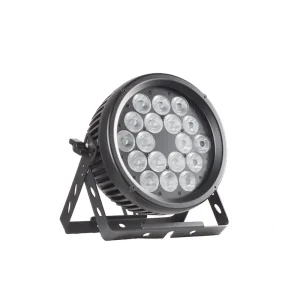
Industrial settings require rugged durability. Dust, humidity, and chemical vapors can quickly degrade standard components. Heavy-duty fixtures featuring high ingress protection (IP65+) ratings, rugged aluminum housings, and vibration-resistant mounting systems ensure continuous operation under harsh conditions.
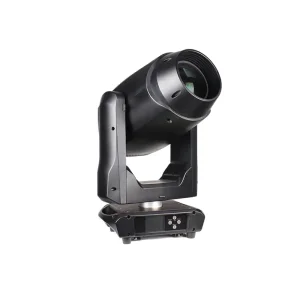
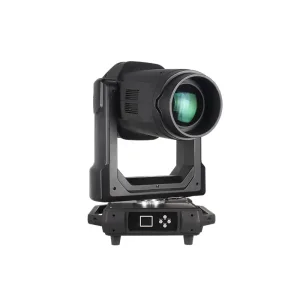
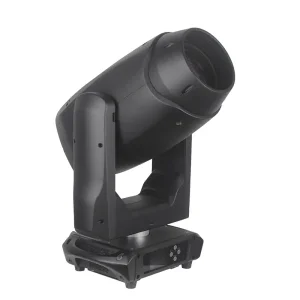
Performance venues demand precise, noise-free operation and high-quality color rendering. Moving head washes, RGBW profile floods, and strobe lamps with silent fan profiles and flicker-free PWM dimming ensure seamless operation under high-definition cameras.
In high-density logistics facilities, lighting systems must integrate with automated systems. Utilizing high-bay LED floodlights equipped with microwave motion detectors and daylight harvesting sensors allows the lighting grid to adjust dynamically based on aisle occupancy and ambient natural light, delivering energy savings of up to 70% compared to legacy lighting systems.
Television studios require specialized color rendering performance. Traditional lighting can cause green shifts or screen flicker on high-speed cameras. Employing premium fixtures with high Television Lighting Consistency Index (TLCI > 97) ratings and high-frequency PWM dimming engines (up to 25KHz) ensures flicker-free, color-accurate broadcasts.
Optimizing Sourcing, Compliance, and Logistics for Global Supply Chains
For international procurement managers, purchasing lighting fixtures involves balancing unit cost with compliance, logistics, and supply chain reliability. Developing a structured evaluation methodology helps mitigate risk and ensures projects are delivered on time and within budget.
1. Compliance & International Standards Verification: Ensure all sourced fixtures carry certifications required by their destination market, such as CE, RoHS, FCC, UL, or CSA. Independent testing reports, like LM-79 (for photometrics), LM-80 (for lumen maintenance), and TM-21 (for lifespan projections), should be requested to verify long-term performance claims.
2. Supplier Reliability and Production Capacity: Conduct audits of potential suppliers to verify their production capacity, testing capabilities, and quality control systems. A reliable manufacturer will offer structured warranty programs, clearly defined RMA (Return Merchandise Authorization) processes, and dedicated technical support teams to resolve issues quickly.
3. Shipping, Lead Times, and Customization Support: Lighting projects often run on tight schedules. Sourcing from manufacturers like iTOPLITE, who offer customizable options, direct-factory shipping, and clear delivery timelines, helps keep projects on track.
Technical and Logistics Support for Professional Sourcing Managers
Delivering end-to-end design, manufacturing, installation, and after-sales support
iTOPLITE is committed to supporting projects from concept to final commissioning. Our engineering team assists with light planning, optical simulation (using DIALux), and custom layout designs to ensure optimal fixture placement. Following installation, we offer training for lighting operators, technical support, and warranty services to ensure long-term satisfaction.
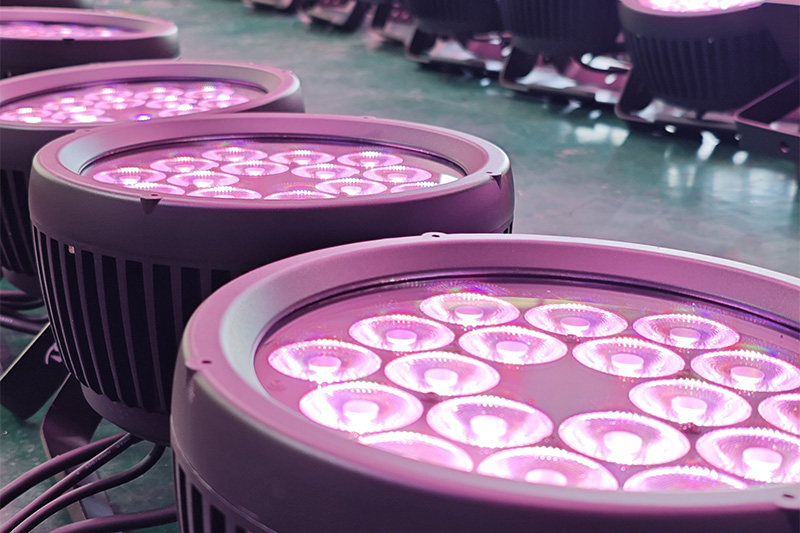
Evaluating structural requirements, beam spreads, and lumen output targets for specialized spaces.
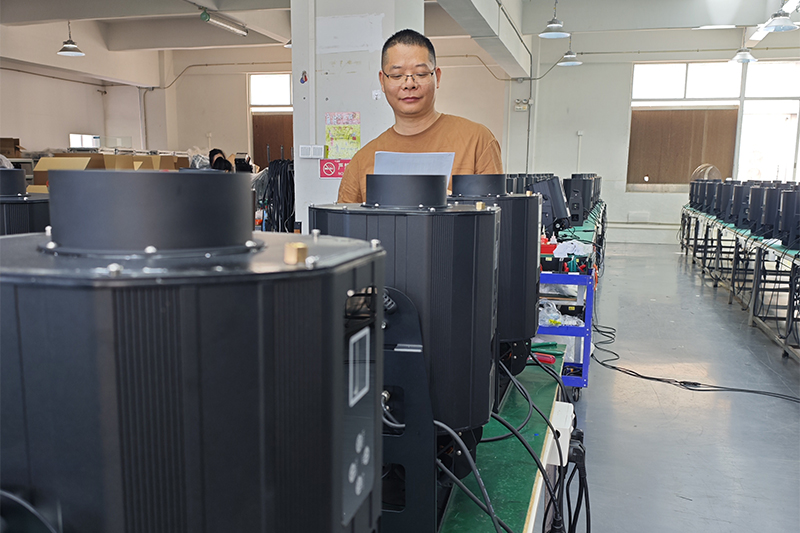
Automated SMT chip placement, cleanroom driver assembly, and multi-stage testing.
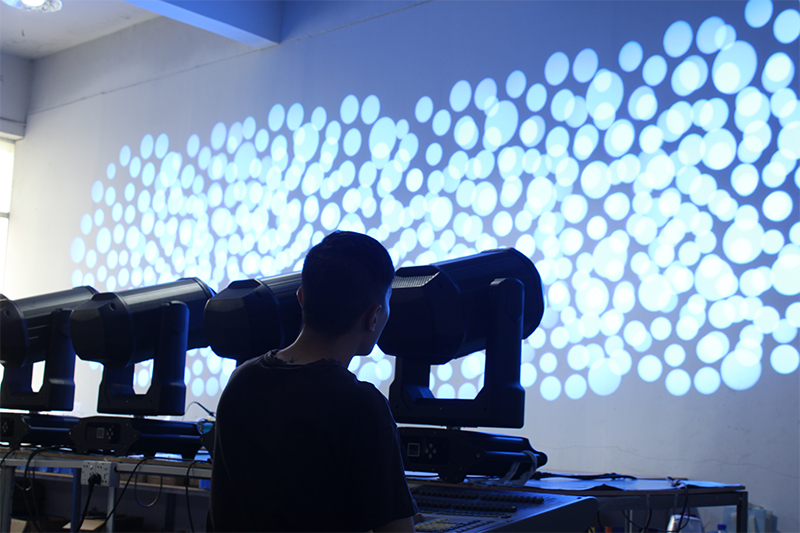
Final color temperature checks, lux measurements, and shockproof protective packaging.
High-efficiency, DMX-controlled, and weatherized systems for global installation projects.
 iTOPLITE