Industrial grade optical fixtures engineered for rugged outdoor and live stage environments
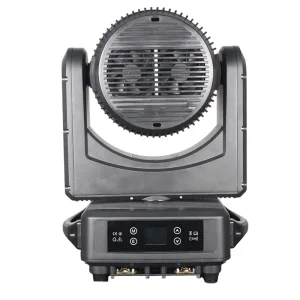
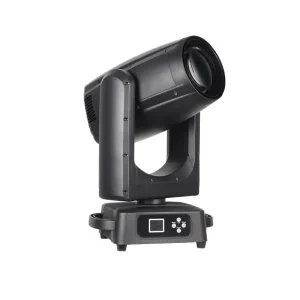
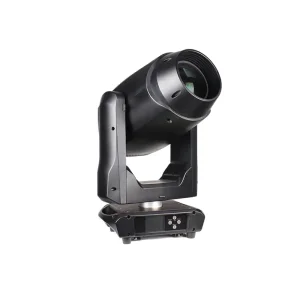
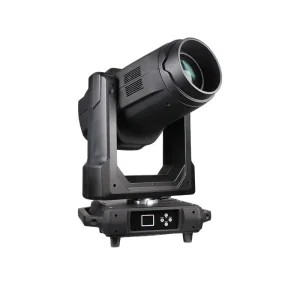
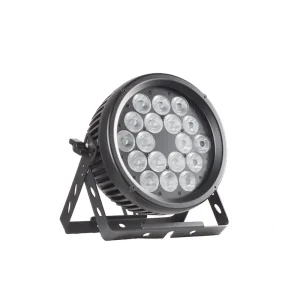
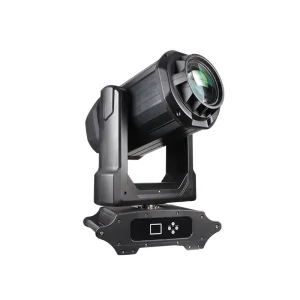
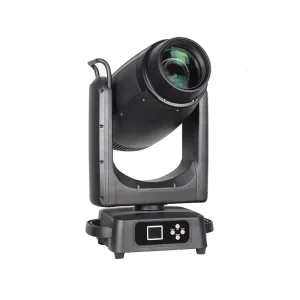
In B2B industrial lighting, optical precision dictates performance. The design parameters of 9-inch LED spotlights are specifically optimized for mid-to-long throw light delivery. A 9-inch physical optical chamber allows for a larger reflector geometry and custom collimating lenses, which drastically increases target Lux while preserving the uniformity of the beam. Compared to smaller 5-inch or 7-inch architectures, the 9-inch thermal chamber houses larger LED array sources (such as high-intensity COB chips or multi-color SMD matrixes) and mitigates heat-induced lumens depreciation over prolonged runtime.
Historically, the entertainment and architectural sectors relied on high-wattage discharge or halogen lamps. The transition toward high-density solid-state LED systems in 9-inch frameworks has addressed the core operational hurdles of energy efficiency, lifespan, and chromatic stability. Today's commercial spotlight architectures integrate specialized optical coatings and high-transmission glass lenses, yielding a light extraction rate exceeding 92%. Consequently, wholesale procurement managers prioritising lumens per watt (lm/W) select the 9-inch standard to balance luminous flux with portable structural size.
Key Insight: The 9-inch form factor provides the optimal surface-area-to-output ratio, allowing high-power LED assemblies (up to 600W–1000W) to perform efficiently under passive or whisper-quiet active cooling.
Years Optoelectronic R&D
Global Quality Certified
LED Chip Lifespan
All-Weather Protection
Corporate procurement executives focus on optical decay curves, structural IP ratings, and electrical harmonic distortion (THD < 15%). Finding a supplier with in-house CNC machining and reliable optical calibration equipment prevents batch-to-batch variation.
For stadium installations, concert tours, or architectural facades, lighting layouts must survive severe environmental loads. Modern designs must support RDM protocol and DMX512 controls for smooth dimming and dynamic effects.
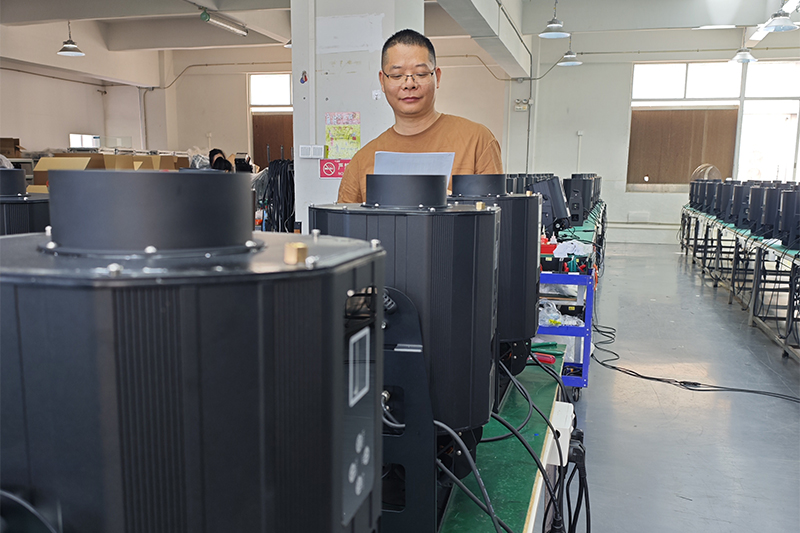
Manufacturing must adhere to ISO9001 and ISO14001 frameworks. Every spotlight unit goes through high-pressure water testing, integrating breathing valves to prevent condensation and seal failure over time.
Established in 2014, iTOPLITE (Guangzhou iTOPLITE Technology Co., Ltd.) has grown into a key optoelectronics manufacturer, specializing in high-end and mid-range stage lighting, high-power outdoor LED fixtures, and complete architectural system solutions. By providing a comprehensive, one-stop service, we help clients streamline their projects from initial concept to installation.
With a focus on innovation and integrity, our engineering team continuously designs, prototypes, and tests new fixtures. This focus on performance ensures that our products maintain stable color temperatures and high lumen output, even in demanding conditions.
Corporate Culture: Innovation is the way to win, and integrity is the foundation of our business.
Management Idea: Innovation creates value, win-win achieves the future.
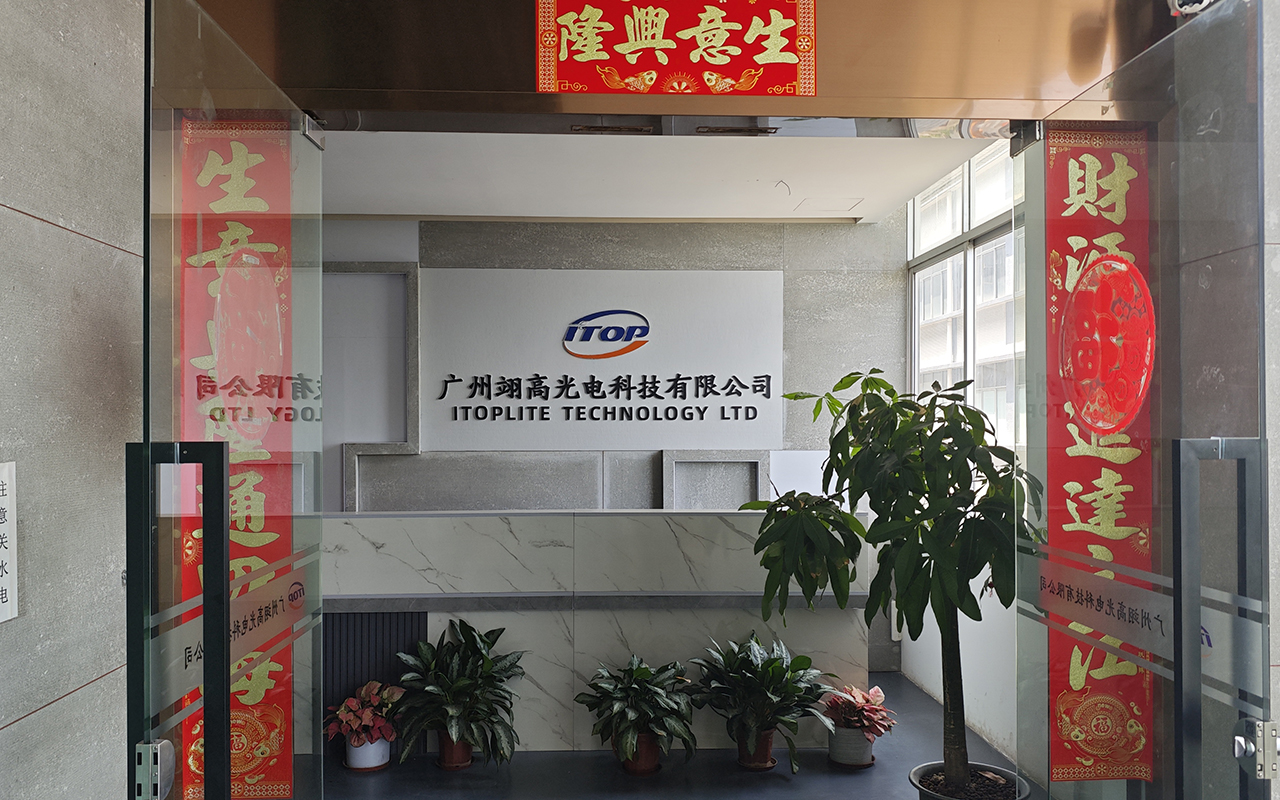
High-grade raw materials and strict quality management systems
Our manufacturing sites run under ISO9001 and ISO14001 guidelines. Each component, from high-thermal conductivity aluminum PCBs to durable housing gaskets, undergoes strict quality inspection to ensure lasting performance in harsh environments.
We invest heavily in R&D to stay ahead in optoelectronics. Our spotlights feature precise LED binning, advanced control algorithms, and optimized lens arrays that minimize color aberration while maximizing center beam candela.
From initial design files and photometric layouts to customized bracket configurations, we support project teams at every step. Post-installation, our customer service department provides technical support and parts delivery to keep downtime to a minimum.

The lighting industry is moving quickly toward smarter, more integration-friendly setups. Future 9-inch spotlight designs are shifting from traditional light sources to hybrid laser-LED systems, which can deliver narrower, high-intensity beams over longer distances. In addition, intelligent control systems are replacing manual addressing. Modern fixtures now use Bluetooth Mesh, wireless DMX, and NFC configuration tools, allowing technicians to program and monitor performance metrics directly from mobile devices.
Thermal management is also improving. New copper-vapor heat pipes and graphene-infused housings dissipate heat much faster than standard cast aluminum. This keeps the internal junction temperature low, extending the life of the LED components and ensuring consistent color performance even during extended operations.
Green Standard Initiatives: Future product development focuses on lowering stand-by energy use, using recycled alloy housings, and ensuring all modular sub-assemblies can be easily repaired or recycled.
Answers to technical questions from engineering managers and wholesale buyers
The 9-inch housing allows for a larger optical reflector and collimator lens system. This concentrates light output into a tighter beam angle with minimal light spill, allowing the fixture to deliver clear, high-lux illumination over long distances.
We use precision-molded silicone gaskets, waterproof cable gland connectors, and built-in ventilation valves. This setup equalizes internal and external pressure, preventing moisture ingress and condensation under changing outdoor temperatures.
Yes, our R&D team can provide custom solutions, including specific beam angles (ranging from narrow 5° beams to wide 60° spreads), custom brackets, and integrated control cards to match your project requirements.
Our products support industry-standard protocols, including DMX512, RDM for remote monitoring, Art-Net/Kling-Net, and standard 0-10V analog signals, allowing them to integrate into existing production control systems.
High-wattage LED fixtures designed for concerts, touring productions, and permanent architectural installations
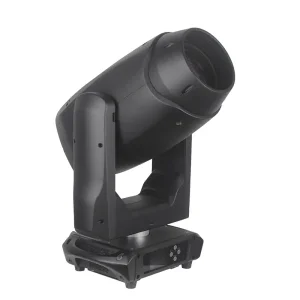
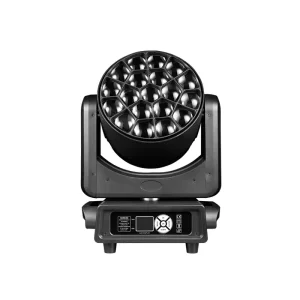
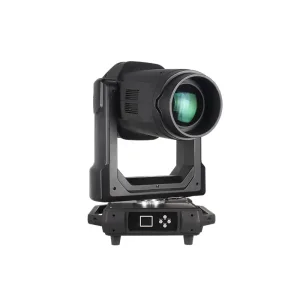
We support our clients through all phases of their projects—from initial lighting concepts and structural designs to final site testing and configuration.
 iTOPLITE