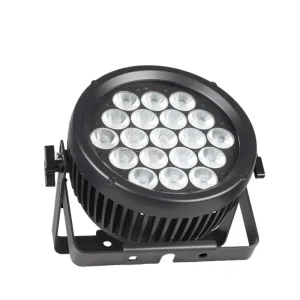
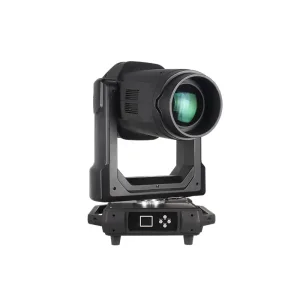
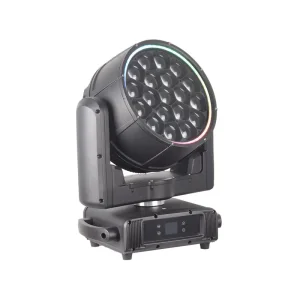
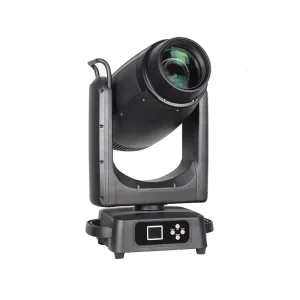
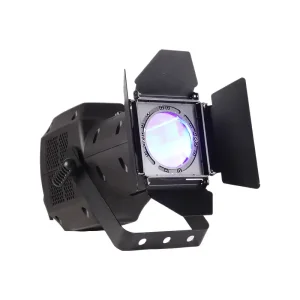
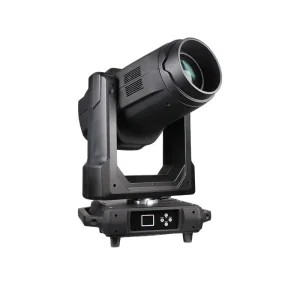
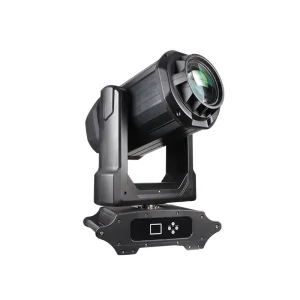
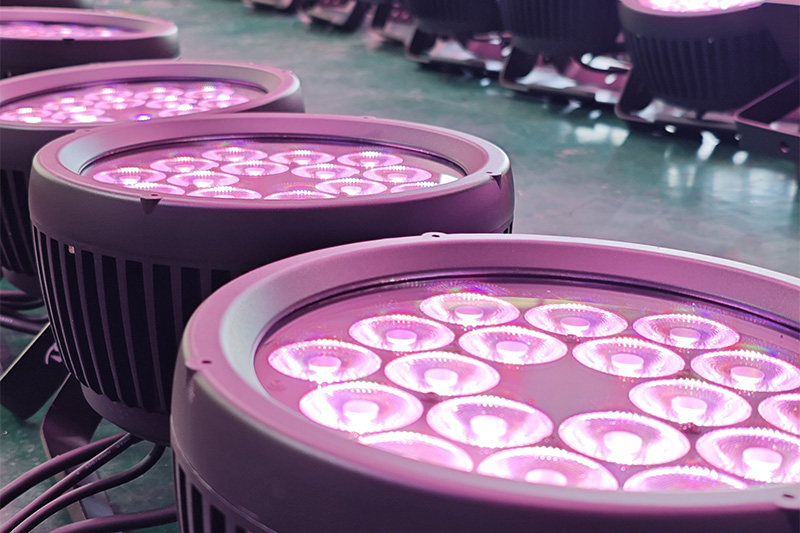
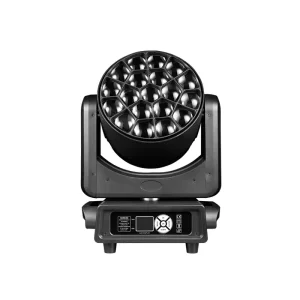
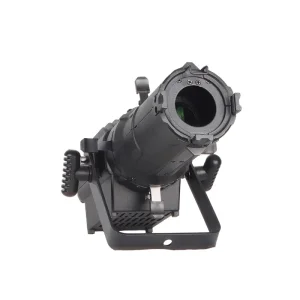
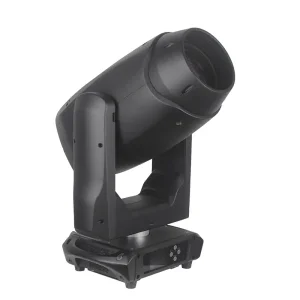
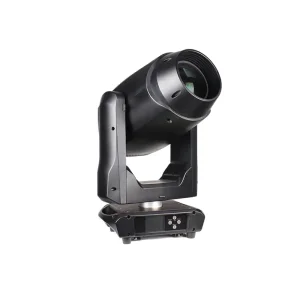
Engineered for high thermal efficiency and absolute corrosion protection in severe commercial deployments.
Why modern structural engineers specify brushed satin metal surfaces for complex architectural and optical housings.
In heavy-duty optoelectronics manufacturing, particularly for high-power exterior wash lights and moving profiles, chassis material choice directly influences system lifespan. A No. 4 Stainless Steel Finish—characterized by short, parallel polishing lines that form a clean brushed visual profile—is achieved using a 150 to 180-grit abrasive mechanical pass. This structural execution is not merely aesthetic; it serves critical operational functions:
For IP66 and IP68 optical assemblies, specifying a No. 4 brushed finish prevents structural oxidation and paint peeling commonly associated with powder-coated aluminum castings exposed to coastal air or indoor swimming pool chlorine environments.
While die-cast aluminum is lightweight and highly thermal-conductive, it remains susceptible to galvanic corrosion and pitting under exposure to high-humidity salt environments. Using stainless steel with a specialized No. 4 finish provides structural resilience, ensuring structural integrity for heavy industrial and performance staging fixtures.
A leading manufacturing enterprise setting industry standards in optoelectronic design since 2014.
"Innovation creates value, win-win achieves the future."
"Innovation is the way to win, and integrity is the foundation of our existence."
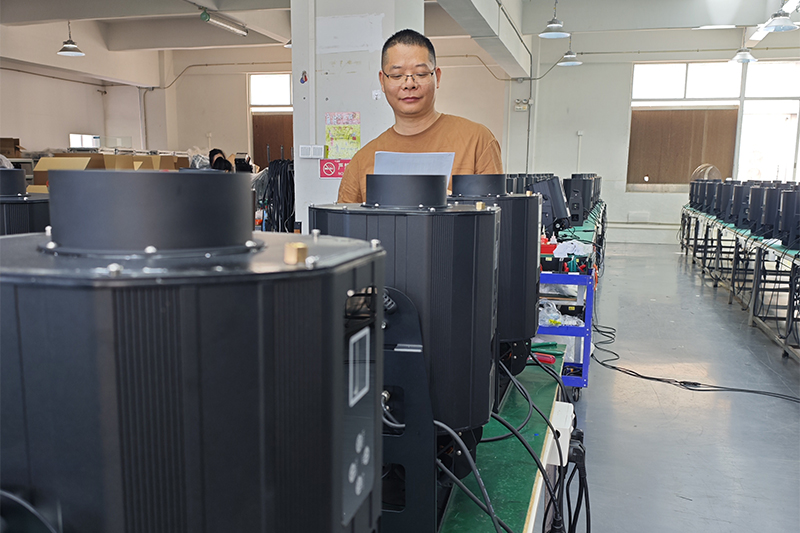
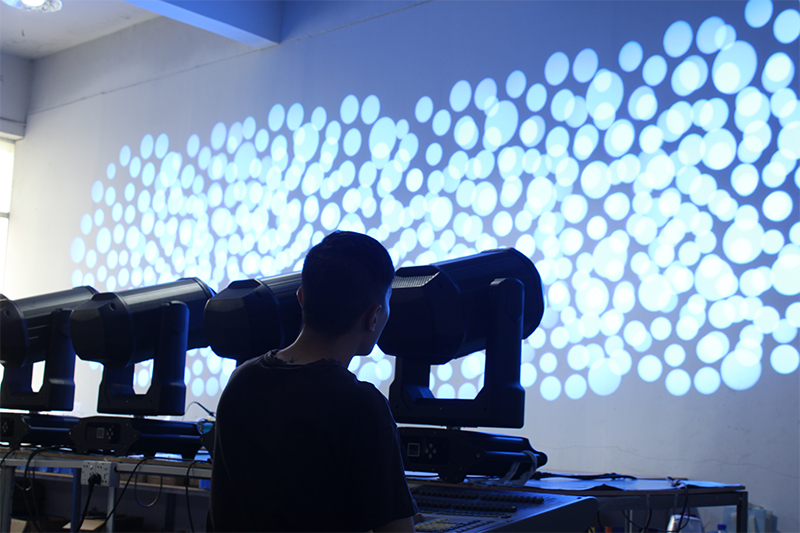
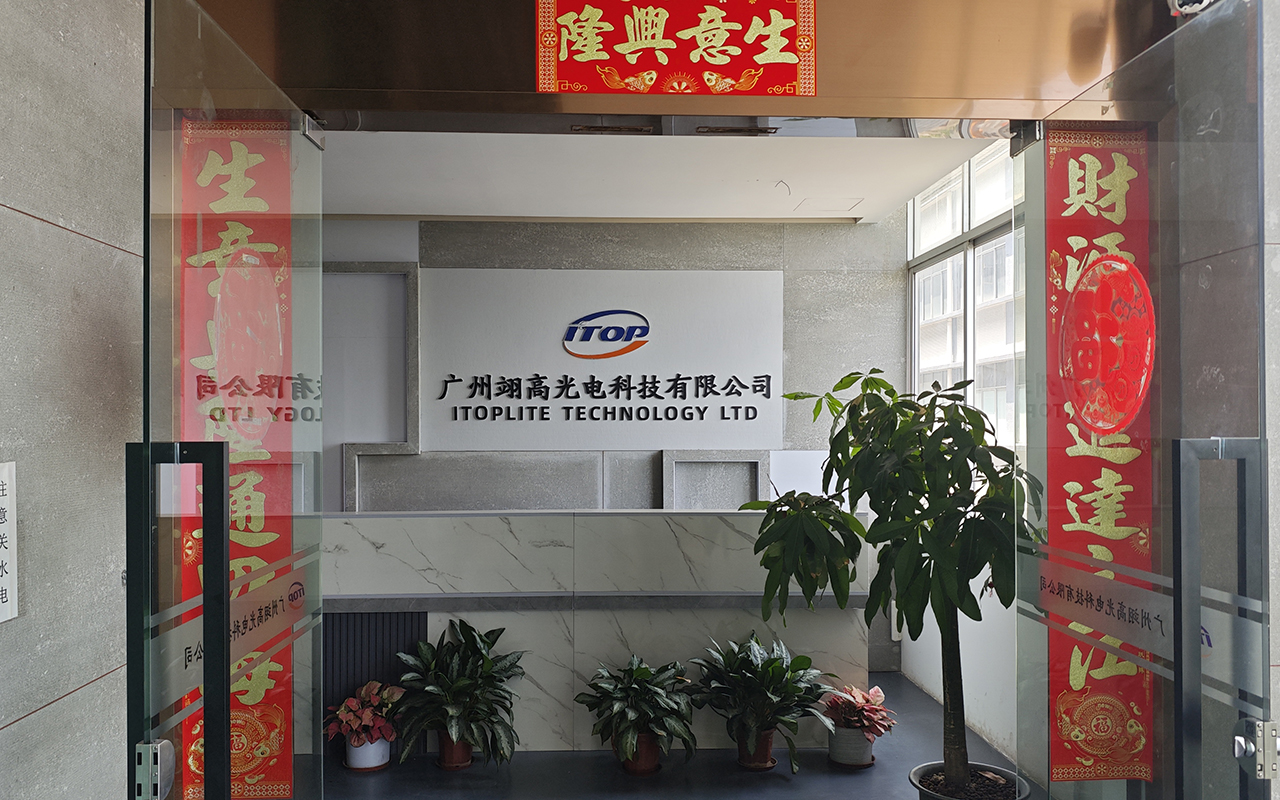
Established in 2014, iTOPLITE (Guangzhou iTOPLITE Technology Co., Ltd.) has grown into a prominent manufacturing enterprise within the specialized field of optoelectronics. For a decade, the company has dedicated its resources to the production of a diverse range of high-end and mid-range products. This includes performance stage lights, advanced LED lights, and comprehensive lighting solutions. The primary mission of the company remains providing a seamless, one-stop B2B sourcing experience, catering to all technical, functional, and atmospheric lighting requirements.
Through continuous R&D, we have learned that lighting hardware durability must match optical performance. The transition towards offering options with specialized Stainless No. 4 finish enclosures is a direct response to industrial and architectural project buyers demanding lights that survive exposure in outdoor applications, humid amphitheaters, theme parks, and architectural installations without cosmetic or structural degradation.
Our core competitive edge lies in the comprehensive management of the entire engineering cycle:
Leveraging automated production networks and precise laser polishing to deliver high-quality steel finishes globally.
Utilizing CNC high-speed laser cutting machines ensures that every sheet of stainless steel is processed with sub-millimeter precision. The mechanical application of the No. 4 brushed finish is controlled to guarantee uniform grain direction across all chassis parts.
Guangzhou's industrial manufacturing ecosystem provides direct access to high-purity raw metals and optical semiconductors. This geographic advantage shields B2B buyers from global supply disruptions and logistics delays.
By integrating structural sheet metal finishing with optoelectronics assembly in a single facility, we eliminate middle-tier markups. The cost efficiency achieved is directly passed down to our global B2B procurement network.
Following our ISO14001:2004 commitments, our finishing and cleaning processes use eco-compliant closed-loop wastewater systems. Chemical passivation agents for our stainless steel products are filtered and processed to prevent ecological runoff, meeting EU and North American environmental directives.
How and where premium brushed-steel enclosed fixtures solve extreme environmental challenges.
Traditional lighting housings erode quickly in salty coastal environments. Using marine-grade SUS316 with a No. 4 finish ensures the housing maintains its structural integrity and visual clean look over decades. This is crucial for bridge lighting, cruise ship stages, and boardwalk architectural projects.
Chlorinated water vapor corrodes standard aluminum or painted housings. High-power LED wash and spot fixtures housed in passivated Stainless No. 4 enclosures withstand continuous exposure to chemical vapours while protecting internal high-performance electronics.
Modern commercial structures feature raw metal and brushed metal textures. Specifying lighting fixtures with a No. 4 brushed finish allows the housing to match structural elements like elevator columns, steel frames, and facade supports, providing an integrated architectural look.
Providing essential information gain for structural engineers and global purchasing managers.
Explore our complete commercial optoelectronic portfolio. Contact us for direct wholesale quotes.
 iTOPLITE