 iTOPLITE
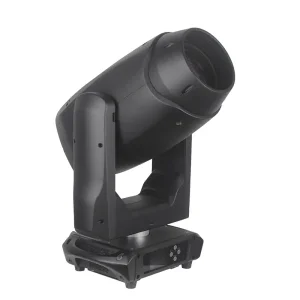
Osaka's Entertainment & Industrial Landscape: The Hub of Kansai
The city of Osaka, historically recognized as Japan's commercial powerhouse, is experiencing an unprecedented architectural and cultural renaissance. Fueled by national infrastructure initiatives, the night-time economy promotion policies of the Osaka Municipal Government, and the highly anticipated Expo 2025 Osaka, the demand for high-caliber, energy-efficient optoelectronics has reached an inflection point. Venues throughout Namba, Shinsaibashi, and the newly developed waterfront entertainment districts are transitioning away from high-maintenance discharge fixtures toward solid-state LED systems.
Unlike other regional markets, Osaka's commercial sector demands strict technical parameters. In a city characterized by its proximity to Osaka Bay, moisture-heavy marine winds, and intensive seasonal rainfall, durability is as paramount as light output. Stage technicians, theatrical producers, and lighting designers in Kansai look beyond aesthetic appeal. They mandate rigorous ingress protection (IP ratings), electrical shielding, compliance with Japanese domestic voltage environments (100V at 50/60Hz), and uncompromising color fidelity (high CRI and TLCI ratings) necessary for high-definition television broadcast by local stations like NHK Osaka and Yomiuri TV.
Global Optoelectronics Ecosystem: Demanding Intelligent Design
Globally, the architectural and entertainment illumination market has shifted toward intelligent automation and networkable systems. Control systems utilizing Art-Net 4, sACN (Streaming ACN), and bi-directional RDM (Remote Device Management) are now industry standards. This technological integration allows lighting designers to monitor thermal performance, lamp hours, and hardware health in real-time from control consoles miles away. Furthermore, ecological sustainability has changed purchasing behaviors; corporate buyers are selecting energy-efficient luminaires that lower operations costs and fulfill carbon neutrality metrics.
Key Takeaways for International Procurement Officers
Purchasing professional luminaires requires validating the entire supply chain. High-performance LED stage lighting must carry global certifications, such as CE and RoHS, alongside local PSE compliance for Japanese installations. Investing in high-efficiency optoelectronics yields substantial dividends: a 70% decrease in energy consumption compared to traditional metal-halide lamps, minimal field downtime due to 50,000-hour LED source lifespans, and reduced structural load requirements because of lightweight aluminum alloy housings.
The China Factory Advantage: Seamless Supply Chain & Dynamic Engineering
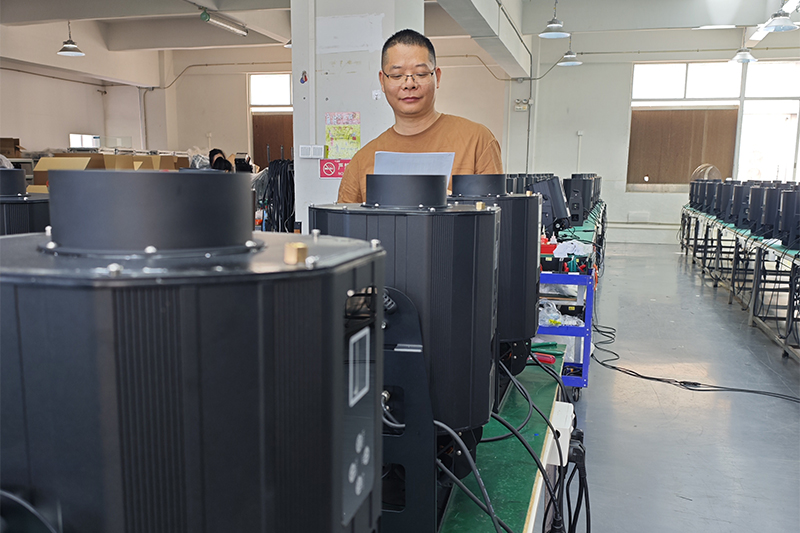
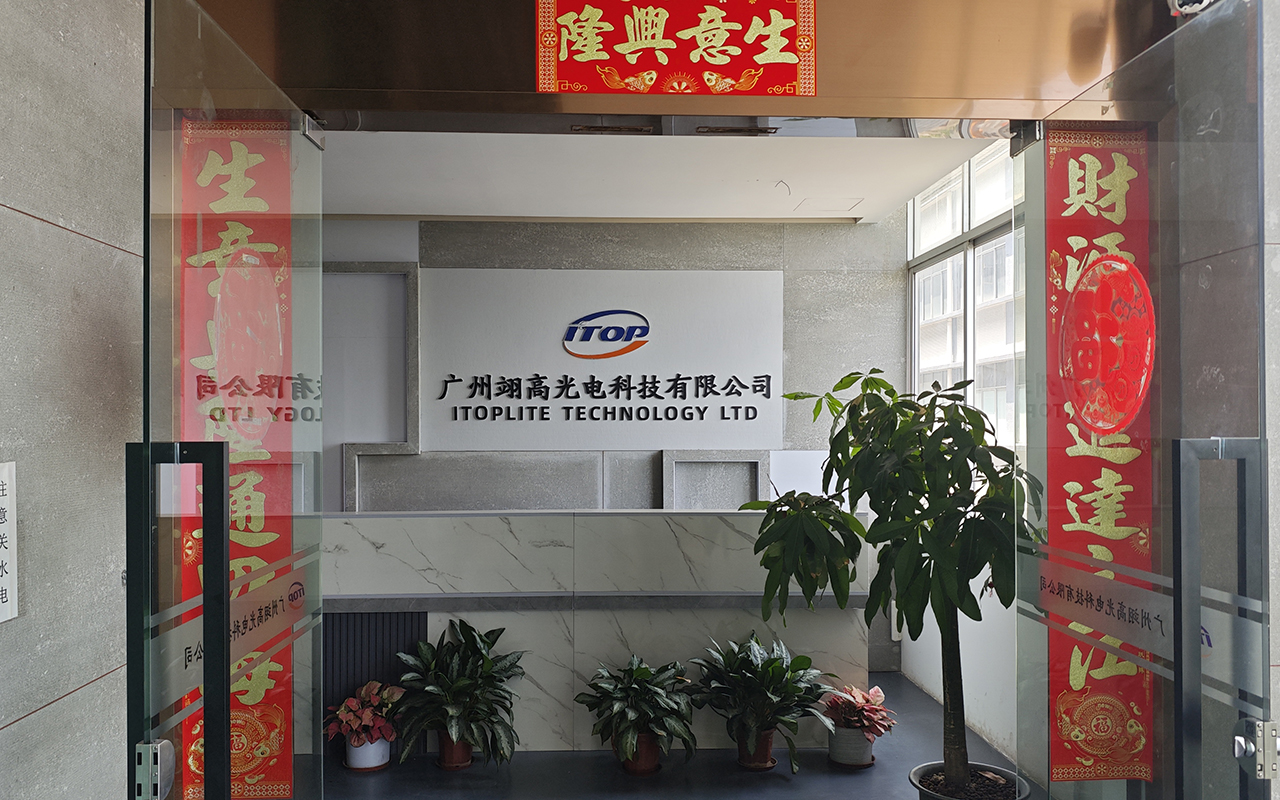
The manufacturing cluster of Guangzhou, China—specifically exemplified by Guangzhou iTOPLITE Optoelectronics Technology Co., Ltd (established in 2014)—serves as a primary engine for global stage and industrial lighting. The proximity of optical component specialists, state-of-the-art aluminum extrusion plants, advanced SMD LED packaging lines, and dedicated software engineers allows for rapid prototyping and unparalleled manufacturing scalability.
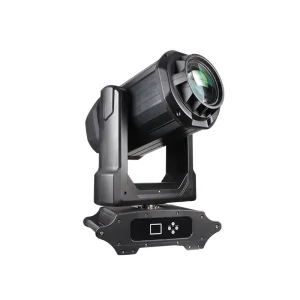
By bypassing multiple layers of distribution, we offer premium-tier optoelectronics with significant cost advantages. Our strict quality control systems are certified under ISO9001 (International Quality System) and ISO14001:2004 (Environmental Management System), ensuring that every high-power fixture, waterproof moving head, and architectural strobe lamp leaving our production floor meets rigorous international metrics for dependability.