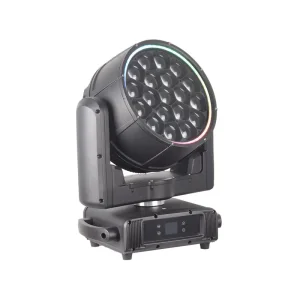
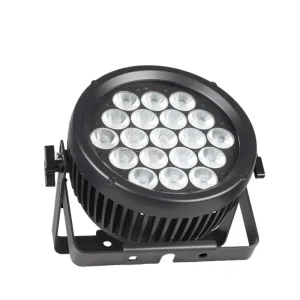
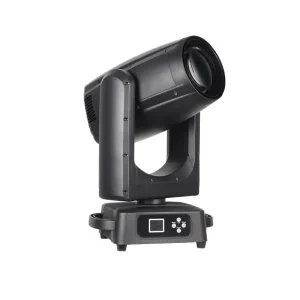
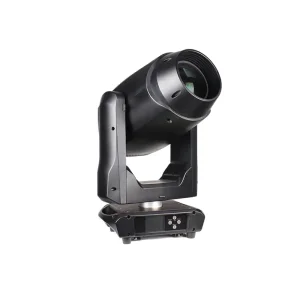
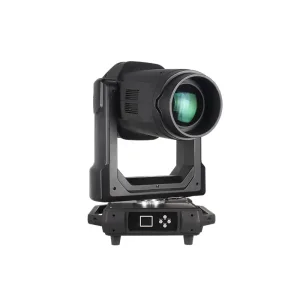
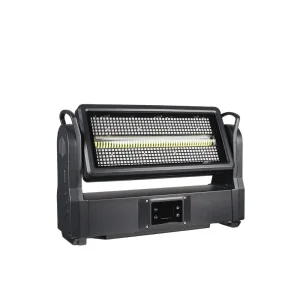
Explore our CE-certified, high-performance LED wash, spot, and par lighting solutions engineered for professional indoor studio applications.
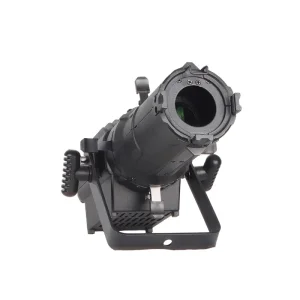
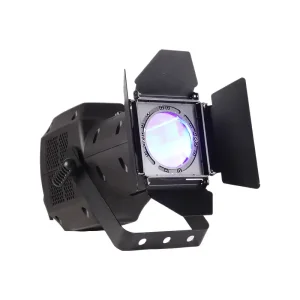
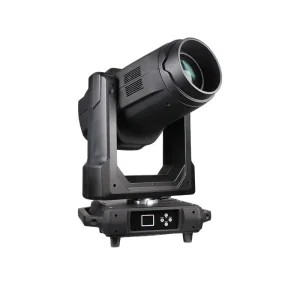
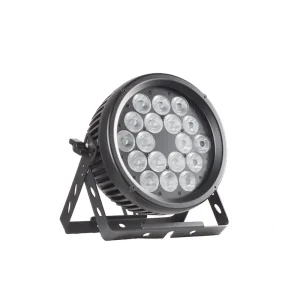
Indoor photography demands absolute precision over the electromagnetic spectrum. Unlike general illumination, lighting engineered for digital sensors must deliver rich, spectral continuity. This prevents color casting, banding, and chromatic aberrations. In commercial environments, photography lighting must meet rigorous safety and efficiency standards. CE Certification is not merely a regional regulatory hurdle; it represents a guarantee of safety, performance, and electrical integrity. In Europe and beyond, it ensures that fixtures operate safely within strict electromagnetic boundaries and under varying thermal conditions.
When source factory engineering intersects with photographic lighting design, the primary objective is to maximize the Color Rendering Index (CRI) and the Television Lighting Consistency Index (TLCI). Standard consumer LEDs often exhibit a significant spectral gap in the cyan and red regions. This leads to muddy skin tones and unnatural product colors that require hours of post-production correction. Professional-grade lights address these issues by using multi-emitter arrays (such as RGBW, WW, and CW). These configurations balance the color temperature dynamically from warm tungsten (3200K) to crisp daylight (5600K-7500K) while maintaining a CRI above 95. This spectral density ensures camera sensors capture true-to-life colors in a single exposure.
E-E-A-T Technical Insight: The CE marker on an indoor photography light indicates compliance with the Low Voltage Directive (LVD) 2014/35/EU and the Electromagnetic Compatibility (EMC) Directive 2014/30/EU. In high-speed studio photography, high-frequency Pulse Width Modulation (PWM) dimming circuits are necessary to avoid flickering. Non-compliant fixtures can emit electromagnetic interference (EMI) that disrupts radio-controlled camera triggers, wireless lavalier microphones, and local studio Wi-Fi networks.
Indoor photography lighting cannot be treated as a one-size-fits-all product. Different geographic regions, studio formats, and physical environments impose distinct challenges:
As digital cameras evolve to feature higher dynamic ranges and higher resolution sensors, the technology powering studio lighting must advance in tandem. The optoelectronic engineering roadmap points toward several key developments:
Moving beyond basic RGBW arrays, future systems will incorporate Amber, Cyan, and Lime (RGBACL) emitters. This approach expands the color gamut, eliminates spectral gaps, and yields an ultra-high TLCI exceeding 98 across the entire CCT range.
Real-time rendering engines (like Unreal Engine) are driving the demand for lighting that syncs directly with LED volumes. Lights will automatically mimic the color temperature, direction, and intensity of virtual digital environments via high-speed Ethernet control protocols.
To match high-speed phantom-cam photography (shooting up to 10,000 fps), lighting drivers are scaling up to 100kHz PWM rates. This guarantees flicker-free illumination at any frame rate or shutter angle.
Guangzhou, China is a global hub for optoelectronic design and manufacturing. Suppliers like iTOPLITE (Guangzhou iTOPLITE Technology Co., Ltd.) offer significant supply chain advantages that benefit international buyers:
Our localized ecosystem clusters raw material processors, LED packaging facilities, precision CNC heat sink manufacturers, and driver assembly lines in close proximity. This geographic clustering reduces lead times from months to weeks. Additionally, it allows for iterative prototyping and customized OEM/ODM engineering changes. Because components do not cross long distances during sub-assembly, transportation risks and carbon footprints are minimized. This localized supply chain model enables factories to scale production volumes rapidly while maintaining competitive, direct-from-factory pricing.
Our quality control processes align with international standards. We perform automated optical inspections (AOI), rigorous burn-in tests, and thermal imaging checks under load. We control every variable of the production process to ensure that our fixtures perform reliably in professional studio environments.
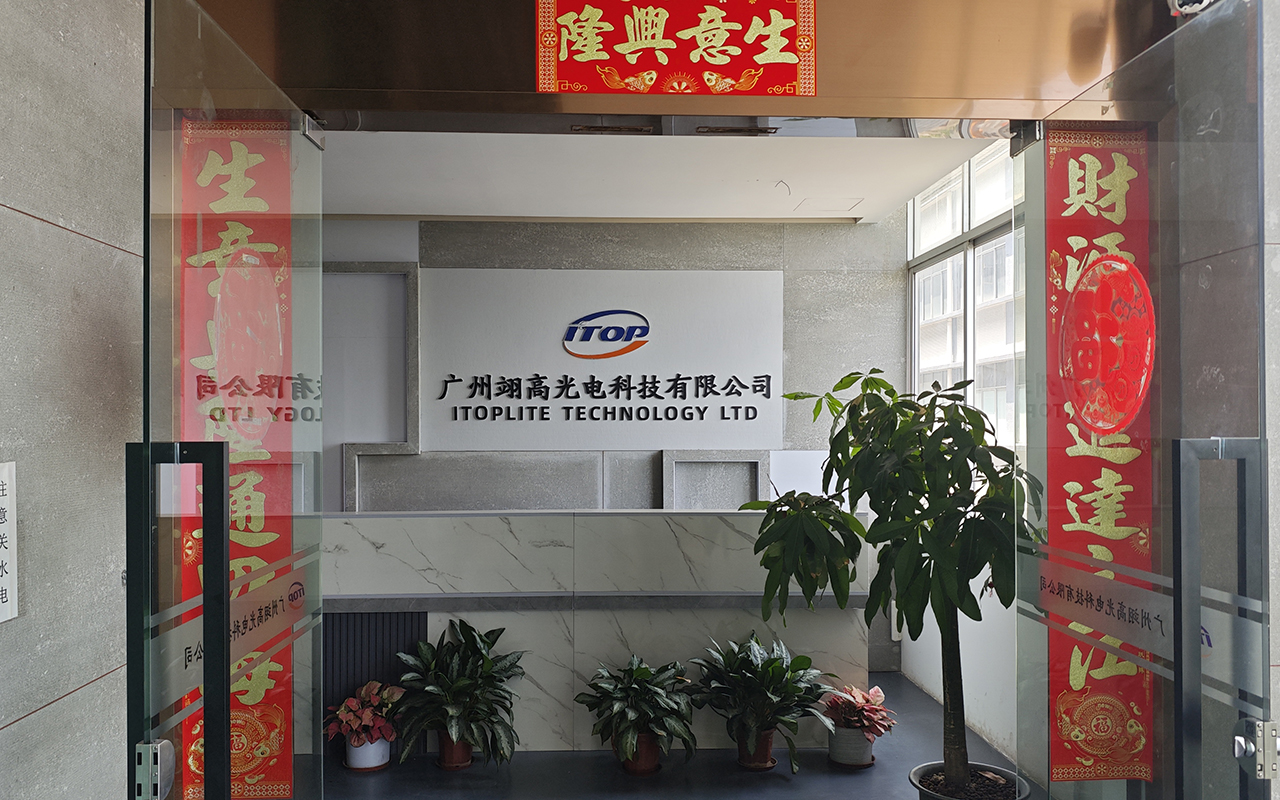
Established in 2014, iTOPLITE (Guangzhou iTOPLITE Technology Co., Ltd.) has emerged as a prominent manufacturing enterprise within the specialized field of optoelectronics. Over the years, it has been dedicated to the production of a diverse range of high-end and mid-range products, with a particular focus on stage lights, LED lights, and comprehensive lighting solutions. The company's mission is to offer customers a seamless one-stop solution experience, catering to all their lighting requirements.
With an unwavering commitment to indoor and outdoor lighting for several years, iTOPLITE Optoelectronics has cultivated a robust R&D team. This team is composed of highly skilled professionals who bring with them extensive industry experience and a passion for innovation. Their collective expertise enables the company to precisely meet the diverse and often complex needs of customers, whether it pertains to elaborate stage lighting designs for grand performances or efficient and aesthetically pleasing indoor and outdoor lighting setups for various architectural and commercial spaces.
Management Idea:
"Innovation creates value, win-win achieves the future"
Corporate Culture:
"Innovation is the way to win, and integrity is the foundation of our foundation."
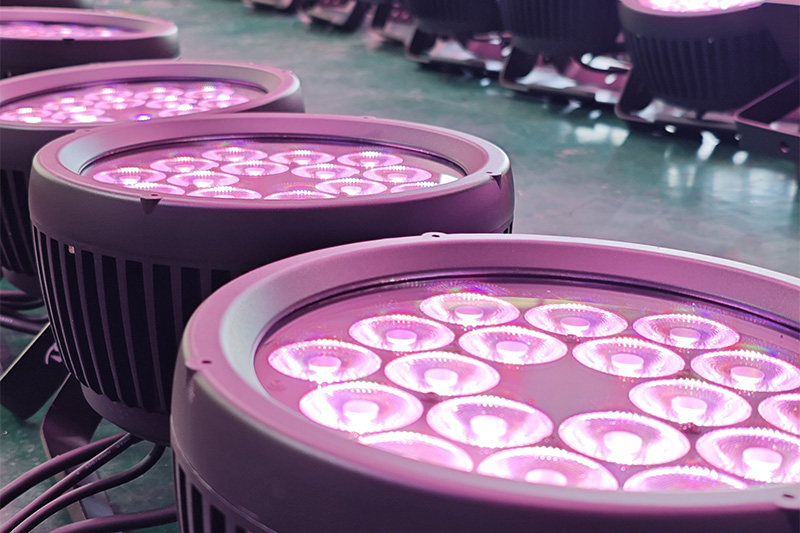
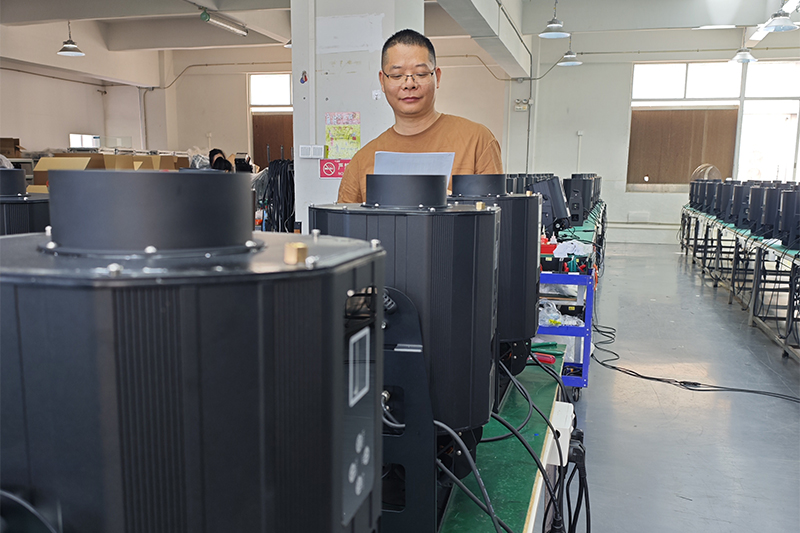
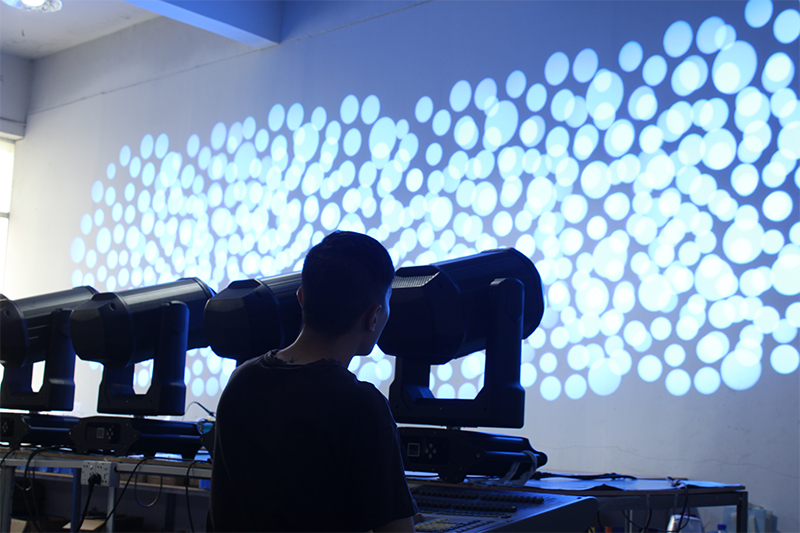
iTOPLITE Optoelectronics places a premium on product quality. Our products have successfully passed the ISO14001:2004 Environmental Management System Certification and the ISO9001 International Quality System Certification. From the careful selection of raw materials to the precise assembly and rigorous quality control checks, each step is meticulously monitored to ensure that customers receive products that are not only reliable but also built to last.
We continuously allocate resources to research and development, allowing iTOPLITE Optoelectronics to stay at the forefront of technological advancements in the optoelectronics industry. Whether it's the latest in LED lighting technology, advanced control algorithms for intelligent lighting systems, or novel designs for enhanced lighting effects, we are constantly pushing the boundaries to offer products that are both technologically superior and practical in application.

We offer a seamless end-to-end service experience, starting from the initial design phase. Our experienced designers work closely with customers to understand their unique vision. We also provide professional installation advice, maintenance services, and reliable after-sales support to ensure long-term satisfaction.
Answers to technical, regulatory, and logistics queries for global buyers and studio technicians.
Discover more high-output waterproof lights, strobe panels, and spotlight profiles for high-performance creative setups.
 iTOPLITE