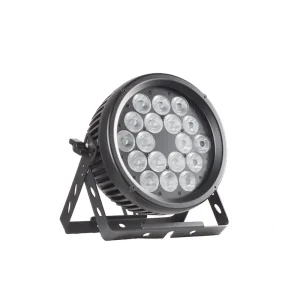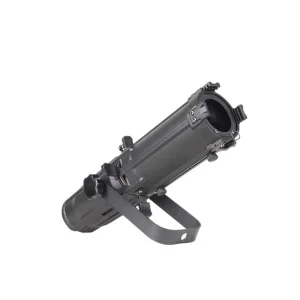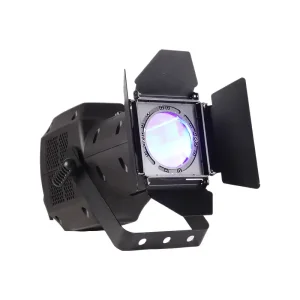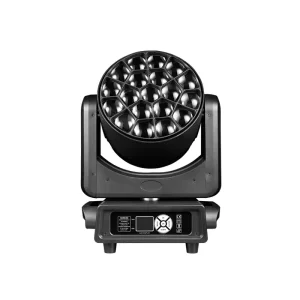
In high-power industrial and commercial lighting applications—specifically within high-demand areas like outdoor theatrical setups, architectural installations, and stadium lighting—housing materials do more than just enclose components. They provide critical shielding against environmental degradation, direct thermal dissipation, and determine structural safety margins. The material debate regularly focuses on the core comparison: Carbon Steel vs. Stainless Steel.
Understanding the differences between these materials goes beyond chemical definitions; it involves recognizing how their physical properties interact with the strict compliance rules of CE Certification. CE directives, specifically the Low Voltage Directive (LVD) 2014/35/EU and the Machinery Directive 2006/42/EC, demand rigorous assessment of structural load parameters, earthing pathways, and resistance to environmental stress. Choosing the wrong grade can lead to mechanical failure, ingress compromise, and costly compliance issues.
| Property Parameter | Carbon Steel (Structural / Coated) | Stainless Steel (Grade 304) | Stainless Steel (Grade 316 / Marine) |
|---|---|---|---|
| Alloy Composition | Iron + Carbon (0.05% - 2.1%) + Trace Manganese | Iron + Chromium (≥18%) + Nickel (≥8%) | Iron + Chromium (≥16%) + Nickel (≥10%) + Molybdenum (2-3%) |
| Corrosion Resistance | Low (Requires galvanization or powder coating) | High (Passive chromium oxide self-healing layer) | Excellent (Resistant to chlorides, salt mist, acids) |
| Thermal Conductivity | High (~50 W/m·K) | Low (~16.2 W/m·K) | Low (~15 W/m·K) |
| Tensile Strength (Yield) | Moderate to High (250 - 400 MPa) | High (205 - 505 MPa) | High (290 - 515 MPa) |
| Relative Cost Base | Baseline (1.0) | Moderate-High (1.8 - 2.2) | High (2.5 - 3.0) |
| Weight Class Impact | High Density (~7.85 g/cm³) | High Density (~7.93 g/cm³) | High Density (~8.00 g/cm³) |
The primary structural difference is the presence of Chromium. Standard steel relies on applied coatings (like zinc electroplating or polyurethane paints) to block oxygen and moisture. If this surface is scratched during rig installation or shipping, moisture contacts the steel underneath, forming iron oxide (rust) which expands and detaches the paint.
Stainless steel contains at least 10.5% chromium. When exposed to oxygen, it instantly forms a microscopic, self-repairing layer of Chromium Oxide ($Cr_2O_3$). This prevents oxygen from reaching the metal underneath. For outdoor luminaires rated at IP66 Ingress Protection, choosing stainless steel prevents structural rust that could compromise seal compression and lead to water leaks.
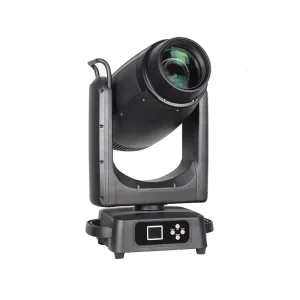
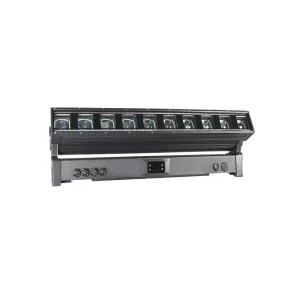
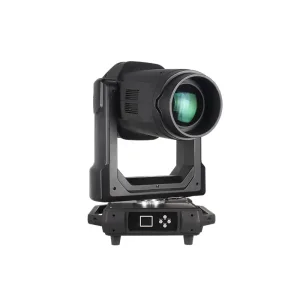
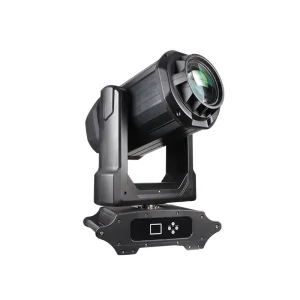
High-wattage LED stage lights, such as the 1000W HT1000IP moving head, generate considerable heat at the diode junction. Standard carbon steel has a thermal conductivity of around 50 W/m·K, while stainless steel is much lower, around 15 W/m·K. Because of this, stainless steel is rarely used for primary heatsinks. Instead, it is used for external structural components, bracket yokes, and hardware, while the thermal pathways are made of aluminum alloys. However, matching materials with different thermal expansion rates is key to preventing stress on joints during temperature changes.
Moving head fixtures experience dynamic torque. Yokes and brackets must withstand high g-forces without warping or bending, ensuring precise beam positioning.
Stainless steel's surface oxide layer can resist electrical current. Engineers must design specific grounding points to ensure low impedance, which is required for CE LVD safety certification.
Combining steel/stainless steel with aluminum in wet environments can trigger galvanic corrosion. Isolating gaskets are essential to keep the housing intact.
For international buyers importing optoelectronic hardware from China, compliance is key. A manufacturer must provide complete documentation, proving their products meet local regulations.
The manufacturing cluster in Guangzhou, Guangdong province, offers key logistics and material advantages for producing advanced optoelectronics:
Guangzhou's position near China's major steel producers ensures a steady supply of high-grade raw materials (like SUS304 and SUS316). Having these materials close by minimizes shipping delays and protects against global price fluctuations.
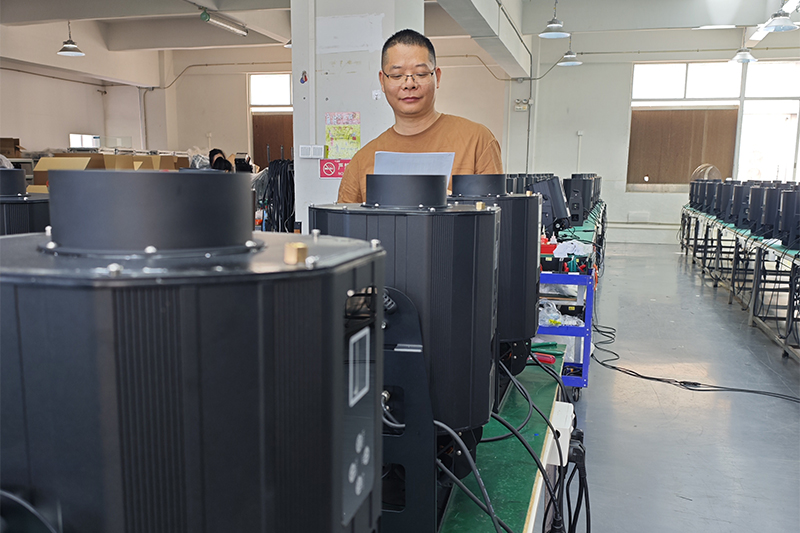
Local factories utilize advanced machinery, including high-speed fiber lasers, multi-axis CNC bending machines, and robotic welding stations. This automation allows for precise component tolerances, which are critical for ensuring tight seals and achieving IP66 waterproof ratings.
With ISO14001 certification, leading Chinese manufacturers employ advanced acid-pickling and passivation lines. This removes iron surface particles to boost rust resistance while complying with local environmental regulations.
As outdoor entertainment productions grow larger and run longer, buyers are setting higher standards for equipment performance and durability:
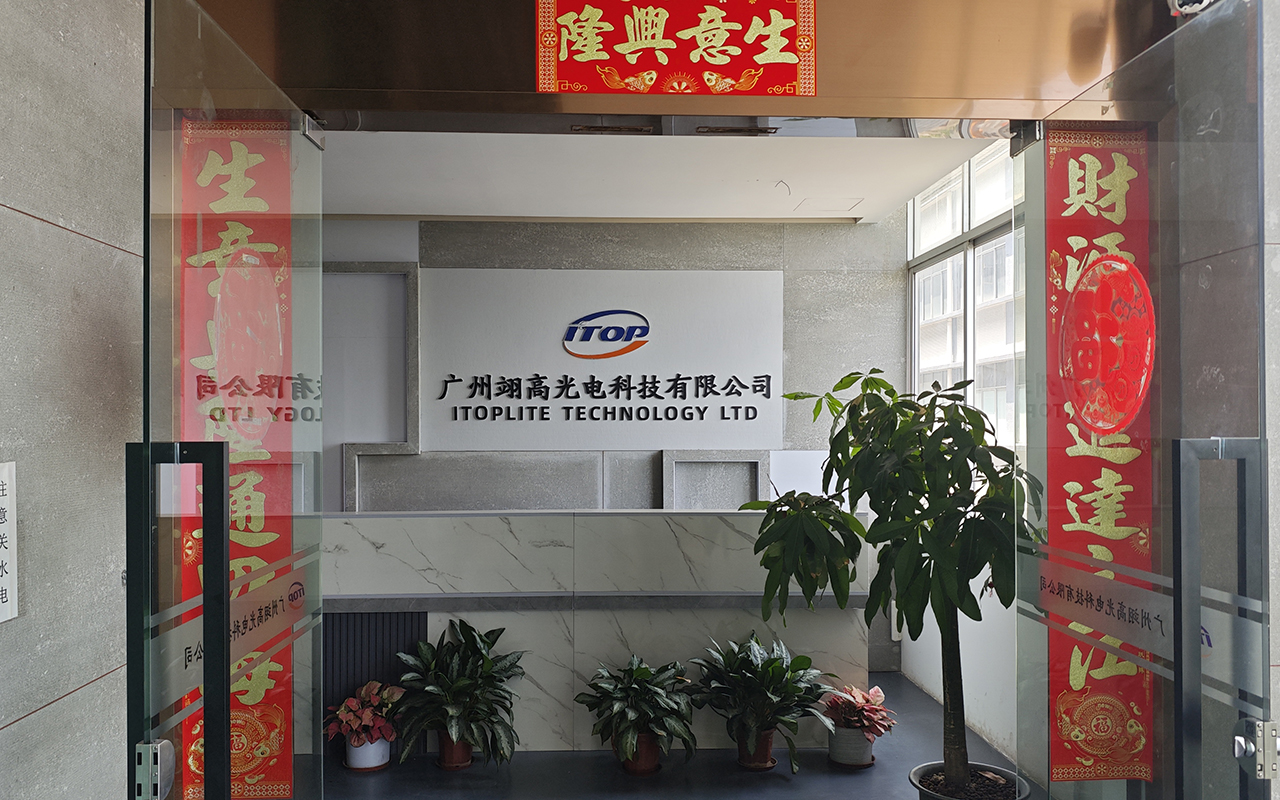
Established in 2014, iTOPLITE (Guangzhou iTOPLITE Technology Co., Ltd.) has emerged as a prominent manufacturing enterprise within the specialized field of optoelectronics. Over the years, it has been dedicated to the production of a diverse range of high-end and mid-range products, with a particular focus on stage lights, LED lights, and comprehensive lighting solutions. The company's mission is to offer customers a seamless one-stop solution experience, catering to all their lighting requirements.
Innovation creates value, win-win achieves the future
innovation is the way to win, and integrity is the foundation of our foundation.
We are committed to bringing high-quality and high-purity materials to every company and research institution that needs them.
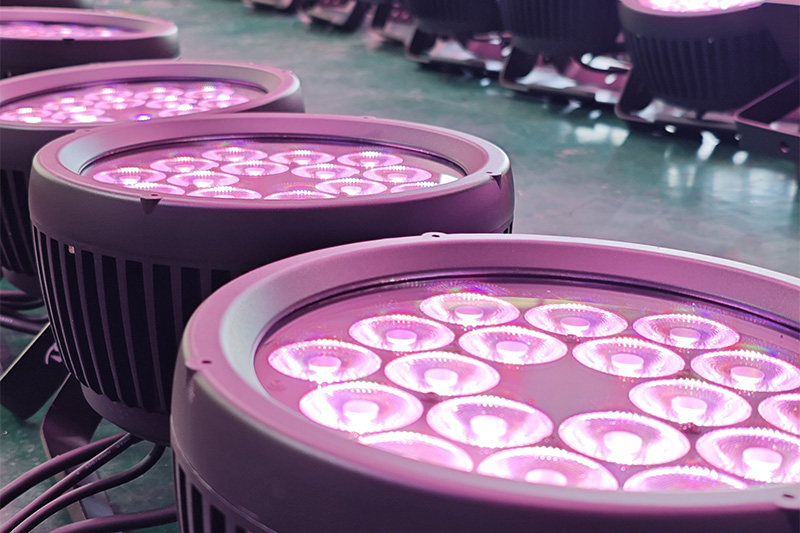
iTOPLITE Optoelectronics places a premium on product quality. Its products have successfully passed the ISO14001:2004 Environmental Management System Certification and the ISO9001 International Quality System Certification. These certifications serve as a testament to the company's unwavering dedication to maintaining the highest standards of quality in every aspect of its manufacturing process. From the careful selection of raw materials to the precise assembly and rigorous quality control checks, each step is meticulously monitored to ensure that customers receive products that are not only reliable but also built to last.
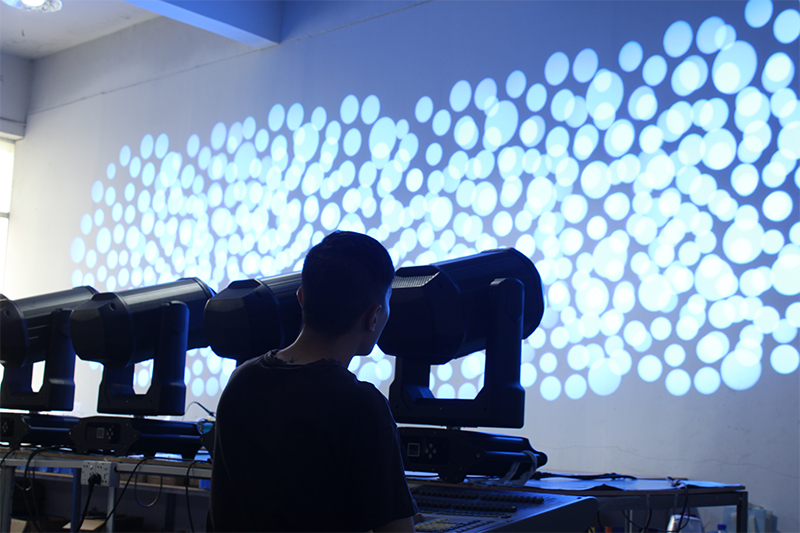
The company firmly believes in the power of technological innovation and places significant emphasis on R&D investment. By continuously allocating resources to research and development, iTOPLITE Optoelectronics manages to stay at the forefront of technological advancements in the optoelectronics industry. This enables them to introduce cutting-edge features and functions into their products, providing customers with innovative and highly efficient lighting solutions. Whether it's the latest in LED lighting technology, advanced control algorithms for intelligent lighting systems, or novel designs for enhanced lighting effects, the company is constantly pushing the boundaries to offer products that are both technologically superior and practical in application.

iTOPLITE Optoelectronics distinguishes itself through its comprehensive service offerings. The company offers a seamless end-to-end service experience, starting from the initial design phase. Their team of experienced designers works closely with customers to understand their unique vision and requirements, translating them into customized lighting designs. Once the design is finalized, the production process kicks in, leveraging state-of-the-art manufacturing facilities and efficient production lines to ensure timely delivery of high-quality products. But the service doesn't stop there. The company also provides professional installation services, ensuring that the lighting systems are installed correctly and optimized for performance. And even after installation, iTOPLITE Optoelectronics offers reliable maintenance and after-sales support, promptly addressing any issues that may arise and ensuring the long-term satisfaction of customers.
This comprehensive approach to service has earned the company a reputation for reliability and customer-centricity in the highly competitive optoelectronics market.
 iTOPLITE