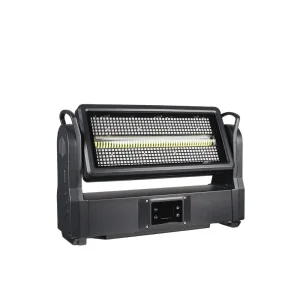
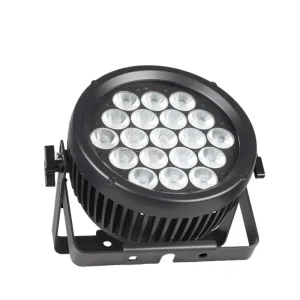
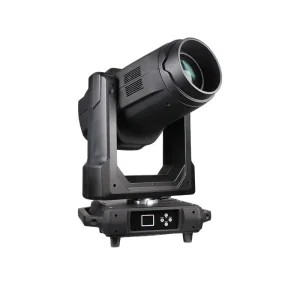
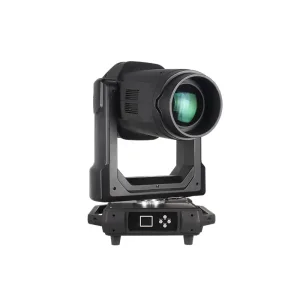
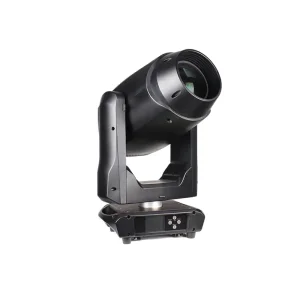
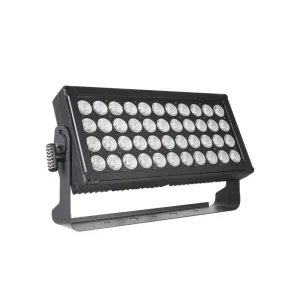
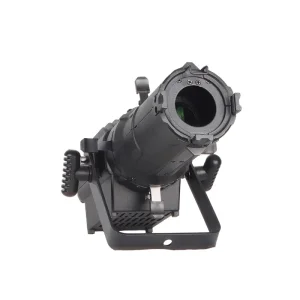
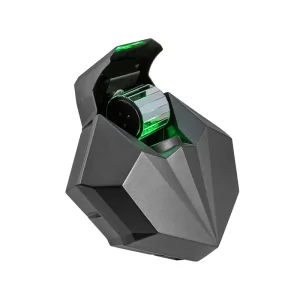
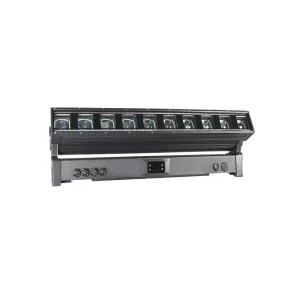
Precision-engineered, CE-compliant fixtures optimized for high-demand, stable indoor illumination profiles.
In modern commercial architecture and high-end retail venues, focus lights act as the primary medium to sculpt space, present product textures, and guide customer attention. The procurement of these systems by global firms is no longer just about buying luminaire fixtures; it represents an investment in structural safety, electromagnetic compatibility, photobiological health, and optical energy conversion efficiency.
CE Certification is not merely a custom clearance pass; it is a legally binding assertion of product alignment with the European Union's harmonized standards. For indoor focus lights, this encompasses the Low Voltage Directive (LVD) 2014/35/EU and the Electromagnetic Compatibility (EMC) Directive 2014/30/EU.
Key components under test include transient protection limits, harmonic current emissions limits (EN 61000-3-2), and standard photobiological safety assessments (EN 62471) protecting human occupants from high-energy blue-light ocular hazards.
Premium indoor focus lights must maintain exceptional color fidelity. Professional systems require a Color Rendering Index (CRI, Ra) exceeding 95, alongside high TM-30-15 metrics (fidelity index Rf > 92, gamut index Rg ~ 100).
Our factories leverage localized spectral calibration systems that correct deviations at the component level, ensuring that structural materials, textiles, and merchandise displayed under focus lighting show their true visual characteristics without color cast.
Advanced focus lights incorporate smart power architectures supporting flicker-free dimming down to 0.1%. By utilizing intelligent interfaces like DMX512-A, RDM, DALI-2, and wireless mesh topologies, system operators can map dynamic lighting behaviors across massive installations.
Our drivers are designed to withstand thermal stresses up to 85°C case temperature while boasting an operating life of > 50,000 hours, keeping failure rates below 0.2% per annum.
Guangzhou and the broader Pearl River Delta region in China represent the most concentrated, technologically advanced optoelectronic manufacturing cluster in the world. Buying focus lights directly from our facilities grants procurement teams distinct structural advantages:
From the raw smelting of high-thermal-conductivity aluminum alloys and precision CNC machining of complex cooling fins to the manufacturing of advanced PMMA/Glass lenses and automated SMT placement of high-power LED dies, every node of the manufacturing sequence occurs within a 50-kilometer radius. This geographic concentration drastically cuts lead times and allows rapid engineering changes.
Our established engineering groups can transform a customer-provided conceptual schematic into a fully tested, functional optoelectronic prototype in under 15 working days. This rapid turnaround is essential for custom architectural designs that demand custom brackets, non-standard beam angles, or specific color temperatures.
Modern Chinese factories are characterized by automated test bays. We utilize automated optical inspection (AOI) systems, goniophotometric profiling, integrating spheres for luminous flux calibration, and environmental testing chambers that cycle temperatures from -20°C to +60°C to simulate the harshest indoor microclimates.
Established in 2014, iTOPLITE (Guangzhou iTOPLITE Technology Co., Ltd.) has emerged as a prominent manufacturing enterprise within the specialized field of optoelectronics. Over the years, it has been dedicated to the production of a diverse range of high-end and mid-range products, with a particular focus on stage lights, LED lights, and comprehensive lighting solutions. The company's mission is to offer customers a seamless one-stop solution experience, catering to all their lighting requirements.
Innovation creates value, win-win achieves the future
Innovation is the way to win, and integrity is the foundation of our foundation.
With an unwavering commitment to indoor and outdoor lighting for several years, iTOPLITE Optoelectronics has cultivated a robust R&D team. This team is composed of highly skilled professionals who bring with them extensive industry experience and a passion for innovation. Their collective expertise enables the company to precisely meet the diverse and often complex needs of customers, whether it pertains to elaborate stage lighting designs for grand performances or efficient and aesthetically pleasing indoor and outdoor lighting setups for various architectural and commercial spaces.
The company takes great pride in its ability to address the multifaceted challenges that customers encounter in the realm of lighting. This includes not only achieving remarkable lighting effects but also ensuring energy conservation, adhering to strict environmental protection standards, and implementing intelligent control systems. By doing so, iTOPLITE Optoelectronics creates not just illuminated spaces but truly high-quality light environments that enhance the overall experience and functionality of any given area.
"We are committed to bringing high-quality and high-purity materials to every company and research institution that needs them."
iTOPLITE Optoelectronics places a premium on product quality. Its products have successfully passed the ISO14001:2004 Environmental Management System Certification and the ISO9001 International Quality System Certification. These certifications serve as a testament to the company's unwavering dedication to maintaining the highest standards of quality in every aspect of its manufacturing process. From the careful selection of raw materials to the precise assembly and rigorous quality control checks, each step is meticulously monitored to ensure that customers receive products that are not only reliable but also built to last.
The company firmly believes in the power of technological innovation and places significant emphasis on R&D investment. By continuously allocating resources to research and development, iTOPLITE Optoelectronics manages to stay at the forefront of technological advancements in the optoelectronics industry. This enables them to introduce cutting-edge features and functions into their products, providing customers with innovative and highly efficient lighting solutions. Whether it's the latest in LED lighting technology, advanced control algorithms for intelligent lighting systems, or novel designs for enhanced lighting effects, the company is constantly pushing the boundaries to offer products that are both technologically superior and practical in application.

iTOPLITE Optoelectronics distinguishes itself through its comprehensive service offerings. The company offers a seamless end-to-end service experience, starting from the initial design phase. Their team of experienced designers works closely with customers to understand their unique vision and requirements, translating them into customized lighting designs. Once the design is finalized, the production process kicks in, leveraging state-of-the-art manufacturing facilities and efficient production lines to ensure timely delivery of high-quality products. But the service doesn't stop there. The company also provides professional installation services, ensuring that the lighting systems are installed correctly and optimized for performance. And even after installation, iTOPLITE Optoelectronics offers reliable maintenance and after-sales support, promptly addressing any issues that may arise and ensuring the long-term satisfaction of customers.
This comprehensive approach to service has earned the company a reputation for reliability and customer-centricity in the highly competitive optoelectronics market.
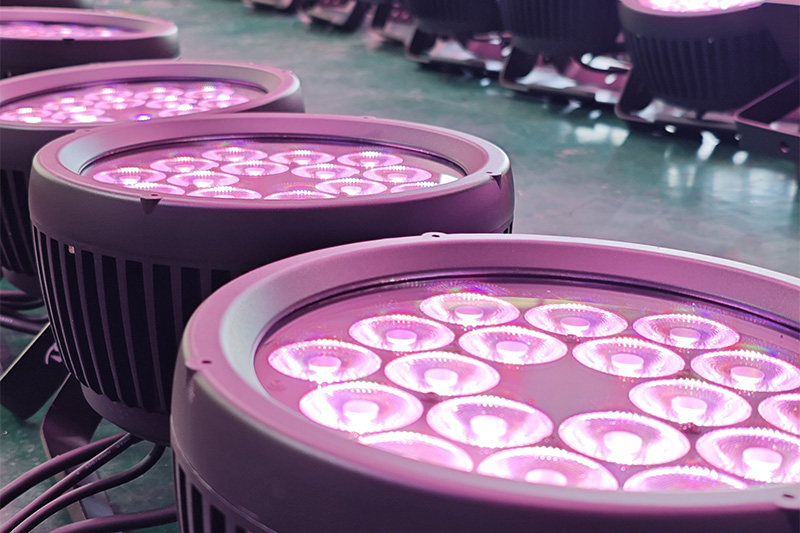
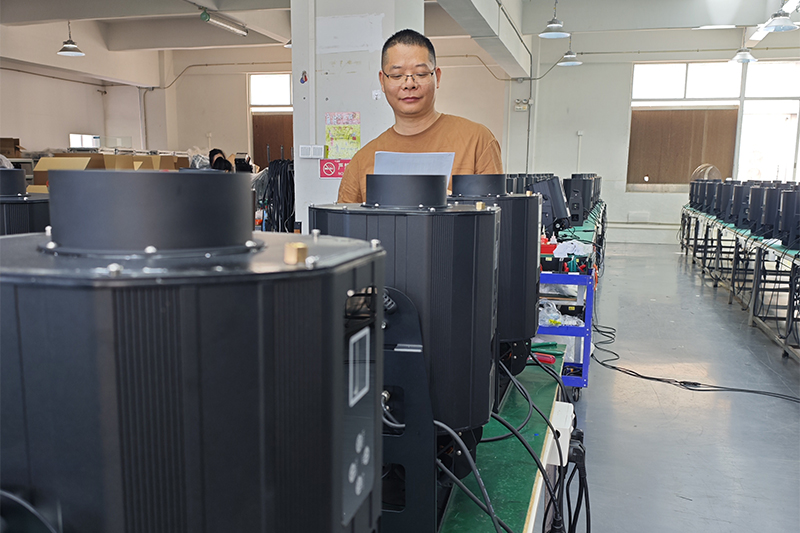
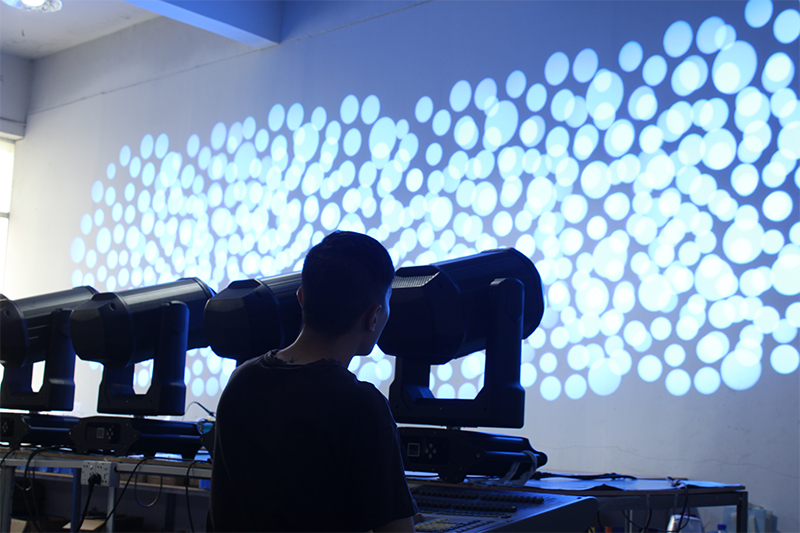
The commercial focus lighting industry is transitioning from simple illumination to smart visual enhancement systems. By analyzing the market demands of 2025–2030, we target several macro technological shifts:
Indoor focus lights are increasingly integrated with circadian rhythmic systems. By employing dual-channel and multi-channel COB packages, modern indoor luminaires dynamically transition color temperatures from warm white (2200K) to cool daylight (6500K), mirroring natural daylight cycles to improve the well-being of building occupants.
Environmental directives, such as the EU Ecodesign Directive, demand that focus light fixtures allow clean disassembly and component replacement (particularly drivers and light modules). Our next-generation fixtures utilize modular architectures that simplify field maintenance and cut down electronic waste.
The comfort of a physical space depends largely on keeping glare to a minimum. Modern architectures demand a Unified Glare Rating (UGR) below 19. Our optical designs achieve this through deep-cut reflectors and honeycombed micro-prismatic diffusers that focus target beams without causing visual discomfort.
Our comprehensive product suite provides distinct optical solutions configured for highly specific spatial use cases:
Problem Statement: Delicate organic exhibits and paintings deteriorate rapidly when exposed to ultraviolet (UV) or infrared (IR) radiation, while poor color rendering washes out historical colors.
The Solution: Our focus lights utilize zero-UV LED engines with custom-engineered narrow-beam lenses (8° to 15°). This ensures that light remains strictly focused on the artifact, delivering high color rendering (CRI > 98) without causing thermal or optical degradation.
Problem Statement: Modern fashion and luxury stores require dynamic display configurations that shift with seasonal product collections, making fixed lighting setups obsolete.
The Solution: Track-mounted focus lights integrated with Remote Device Management (RDM) and wireless protocols. Visual merchandisers can dynamically dim, pan, and tilt individual spotlight nodes remotely to adjust illumination fields dynamically.
Problem Statement: Large metallic surfaces generate intense specular reflections and harsh glare, which obscure vehicle contours and exhaust showroom visitors.
The Solution: High-lumen-output focus lights equipped with linear spread lenses and polarization filters. This combination diffuses specular reflections and creates clean, soft-gradient highlights along the vehicle’s design lines.
To assist global procurement directors in evaluating and qualifying OEM/ODM factories for CE-certified focus lights, we recommend auditing candidates against the following technical criteria:
Ensure the factory provides accredited LM-80 test reports for the LED chips used, and TM-21 projection calculations showing that the luminaire retains at least 80% of its initial light output for over 50,000 hours under maximum operating temperatures.
High-density LED installations can trigger circuit breakers during system startup due to high inrush currents. Ask the manufacturer to supply technical documentation showing that drivers use soft-start controls or negative temperature coefficient (NTC) thermistors.
Do not rely solely on third-party test certificates. Demand the full technical file, including LVD and EMC test reports, Declarations of Conformity (DoC), and RoHS compliance documentation verifying that no hazardous chemical compounds are present.
Expert engineering insights addressing common technical inquiries regarding design, integration, and compliance.
Extended technical products optimized for dynamic light projection and high-intensity architectural wash requirements.
 iTOPLITE