Explore our elite engineering selection designed for demanding outdoor architectural, theatrical, and heavy industrial deployments.
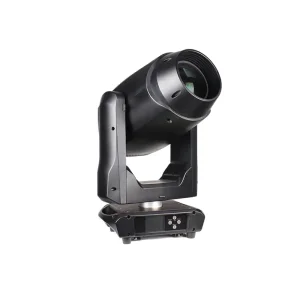
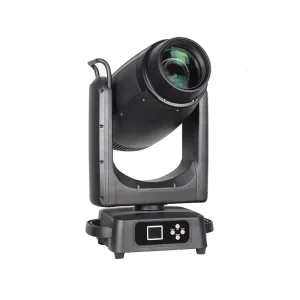
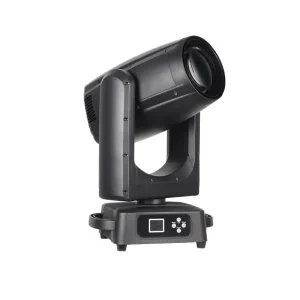
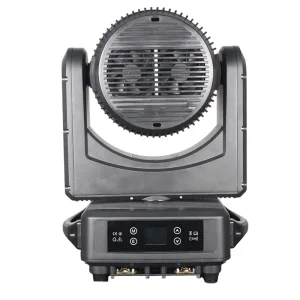
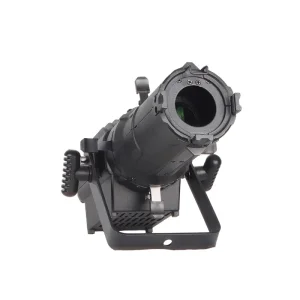
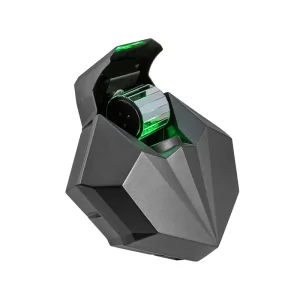
The international lighting market has undergone a fundamental transition from legacy gas-discharge and halogen fixtures to highly integrated Solid-State Lighting (SSL) systems. Among these, LED Spotlights constitute the technological vanguard, serving core sectors including municipal architectural illumination, large-scale entertainment rental, maritime ports, sports complexes, and experiential hospitality projects.
Engineering requirements have advanced beyond basic lumen density to metrics of supreme color rendering index (CRI ≥ 90, TLCI ≥ 90), dynamic beam shaping, IP66-rated ingress barrier, and advanced heat dissipation. Global specifiers and technical directors require factory partners capable of delivering custom optical engines, adaptable DMX512/RDM control parameters, and localized compliance architectures to withstand diverse environmental anomalies.
Modern spotlight installations demand continuous operational survival in extreme thermal ranges (-30°C to +50°C) and aggressive saline coastlines. This requires high-pressure die-cast aluminum alloys, specialized hydrophobic membranes, and advanced thermal conduction designs.
Figures extracted from factory batch testing profiles according to IES LM-79-08 standards.
Decoupling technical parameters to guide global engineering specification teams in selection and optimization.
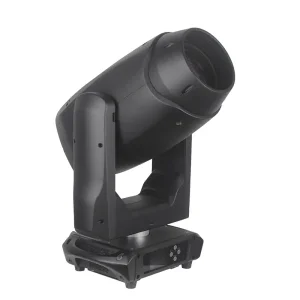
Utilizing 600W+ high-density LED arrays combined with complex condenser optics. Typically engineered with integrated motorized shutters for geometric framing, essential for major bridge structures, high-altitude facade mappings, and stadium theatrical arrays.
Optimized for logistics efficiency and dynamic range. Features reinforced lightweight structural chassis, modular internal assemblies (gobo wheels, color wheels, prisms), and IP65 modular connectors to withstand relentless rigging and transport cycles.
Engineered for sharp projection with a low-divergence angle (often < 2°). Employing custom optical lenses to produce high-intensity aerial beams over long distances, crucial for structural landmarks and large live performance venues.
Geared for low-altitude architectural accents, retail environments, and small stages. Incorporates internal 16-bit dimming engines and DMX512-RDM interfaces, facilitating remote address allocation and diagnostics without manual ladder access.
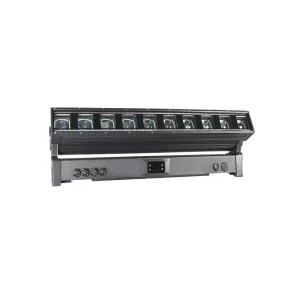
Equipped with multi-chip LED emitters (RGBW or RGBAW) providing precise color control. These units deliver exceptional wash performance while transitioning into dynamic spotlight matrices via isolated pixel-mapping layouts.
Evaluate design criteria across primary product variants to optimize project specifications.
| Spotlight Class / Model | Optimal Distance Range | Power Draw | Key Optoelectronics | Thermal Management System | Primary Industrial Use Cases |
|---|---|---|---|---|---|
| CL600IP (Profile/Spot) | 35m – 100m | 600W Engine | Integrated High-CRI COB / Framing Shutters | Liquid Cooling Conduits + Dynamic Silent Fans | Facade Mapping, Historic Monuments, Stadiums |
| HL550P (Profile/Wash) | 25m – 70m | 550W Module | Linear Zoom System, Dual Gobo Wheels | Heat Pipe Array with Aluminum Heatsink Fins | Concert Touring, Rental, Arena Theater |
| HT420B (Hybrid Beam) | 50m – 300m | 420W Module | 15,000 lm, High-Collimation Optical Elements | Pressurized Air-flow Chamber, IP65 Grade | Landmark Beacons, Skyline Lighting, Festivals |
| TC100 (Compact Spot) | 5m – 25m | 80W – 100W | DMX512 Controller Interface, Sharp Zoom | Passive Convection + Micro-Fan Systems | Galleries, Commercial Atriums, Studio Sets |
| DL1060IP (Pixel/Wash) | 10m – 35m | 10x60W RGBW | Individual Pixel Control, Matrix Support | Extended Back-Plane Die-Cast Aluminum | Architectural Uplighting, Dynamic Stage Backdrops |
How our custom-built fixtures solve complex problems in challenging localized climates.
In territories such as Northern Europe and Canada, LED driver failures occur due to sub-zero cold starts. Our designs utilize built-in preheating circuits and internal thermal loops that bring key electronics to optimal operating temperature prior to powering the LED arrays, guaranteeing performance even at -45°C.
Projects in the Middle East experience ambient daytime heat exceeding 50°C and particulate dust ingress. Utilizing dual-chamber isolation, our IP65/IP66 enclosures keep dust away from optics, while intelligent pulse-width-modulation (PWM) drivers throttle load safely without shutdown when thresholds are exceeded.
Waterfront installations, bridges, and cruise ships suffer from salt-spray corrosion. We mitigate this through seawater-grade anodization, custom fluorocarbon coatings, and 316 stainless-steel fastening components, preventing chemical degradation and galvanic oxidation.
Original Company Showcase, Management Culture & Certified Manufacturing Infrastructures
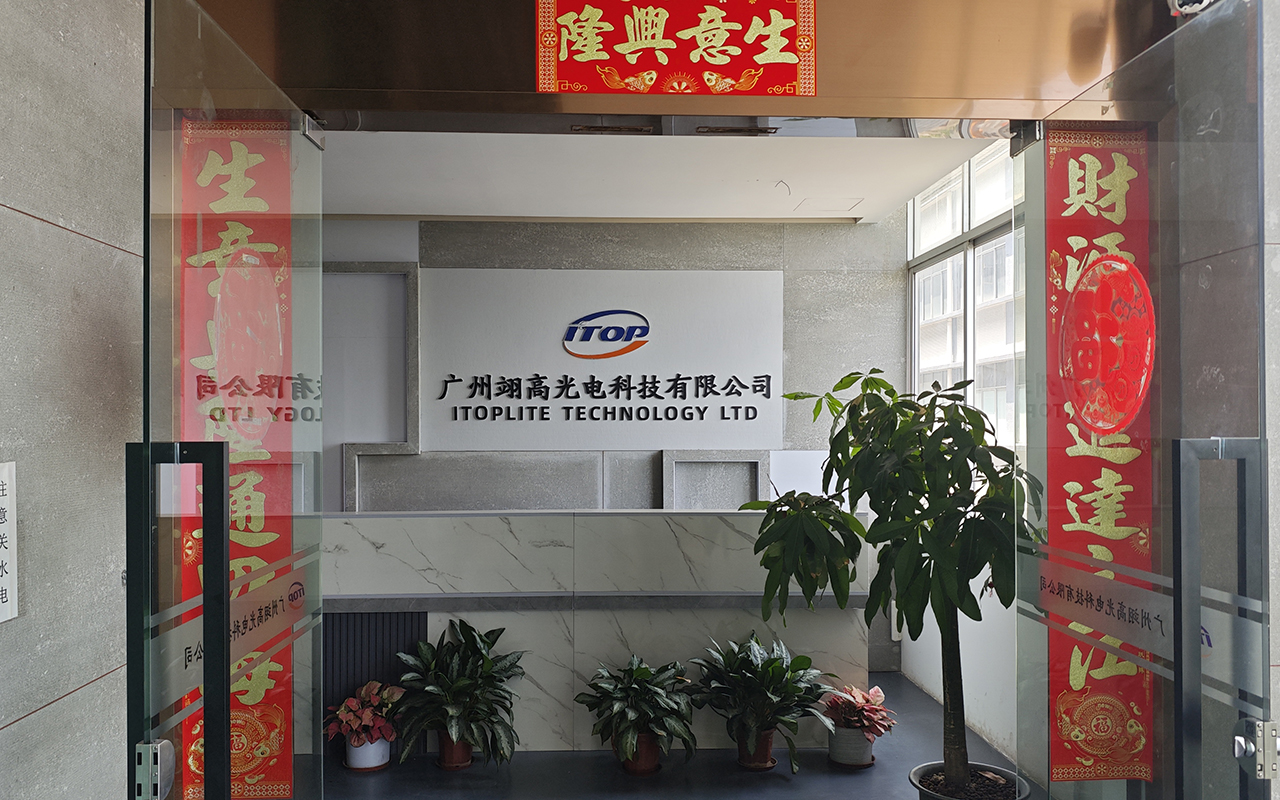
Established in 2014, iTOPLITE (Guangzhou iTOPLITE Technology Co., Ltd.) has emerged as a prominent manufacturing enterprise within the specialized field of optoelectronics. Over the years, it has been dedicated to the production of a diverse range of high-end and mid-range products, with a particular focus on stage lights, LED lights, and comprehensive lighting solutions. The company's mission is to offer customers a seamless one-stop solution experience, catering to all their lighting requirements.
Management Idea: Innovation creates value, win-win achieves the future
Corporate Culture: Innovation is the way to win, and integrity is the foundation of our foundation.
iTOPLITE Optoelectronics places a premium on product quality. Its products have successfully passed the ISO14001:2004 Environmental Management System Certification and the ISO9001 International Quality System Certification. These certifications serve as a testament to the company's dedication to maintaining the highest standards of quality in every aspect of its manufacturing process. From raw materials selection to precise assembly and quality control checks, each step is monitored to ensure reliability.
The company believes in the power of technological innovation and places significant emphasis on R&D investment. By continuously allocating resources to research and development, iTOPLITE Optoelectronics manages to stay at the forefront of technological advancements in the optoelectronics industry. This enables them to introduce cutting-edge features, such as advanced control algorithms for intelligent lighting systems and novel designs for enhanced lighting effects.
iTOPLITE Optoelectronics distinguishes itself through its comprehensive service offerings. Starting from the initial design phase, the team works closely with customers to translate ideas into customized lighting configurations. They leverage state-of-the-art manufacturing facilities to ensure timely delivery, followed by professional installation services, maintenance, and long-term after-sales support.

The optoelectronics ecosystem in Guangzhou, Guangdong province, offers unmatched global competitive advantages for high-power LED manufacturing. By integrating upstream LED chip dicing, raw metal extrusion, electronic driver design, and computerized CNC milling within a 50-kilometer radius, factories in this region achieve extraordinary agile manufacturing capability.
At iTOPLITE, this supply-chain integration allows us to execute prototyping cycles in days rather than months. We secure custom extruded components, rapid-turnaround PCB prototype fabrication, and thermal dissipation modeling elements directly from partners certified under identical quality controls, guaranteeing that raw material supply-chain disruptions are minimized.
Immediate access to local optical lens labs and aluminum die-casting plants reduces raw lead times for massive structural orders by up to 40% compared to Western competitors.
Every unit undergoes a continuous 48-hour thermal chamber test, salt-spray resistance cycle, and simulated high-vibration stress profile prior to container loading.
Below are actual project sites and structural systems where iTOPLITE fixtures have been deployed under stringent QA inspection regimes:
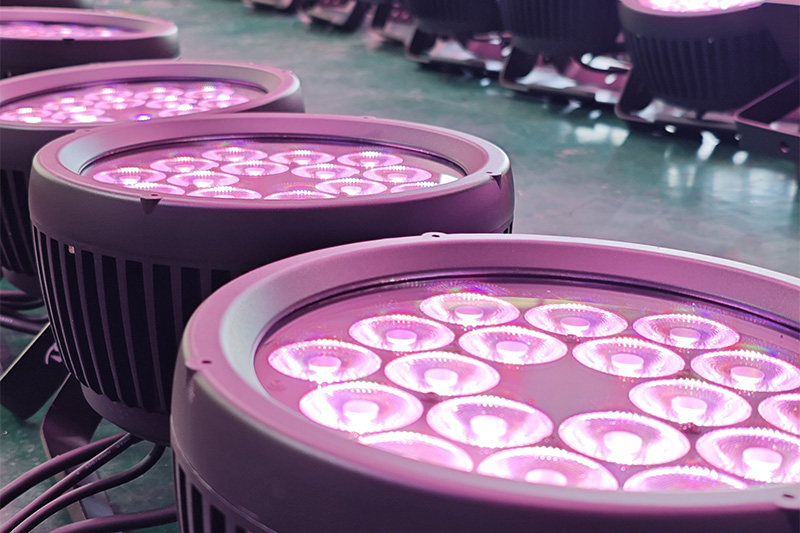
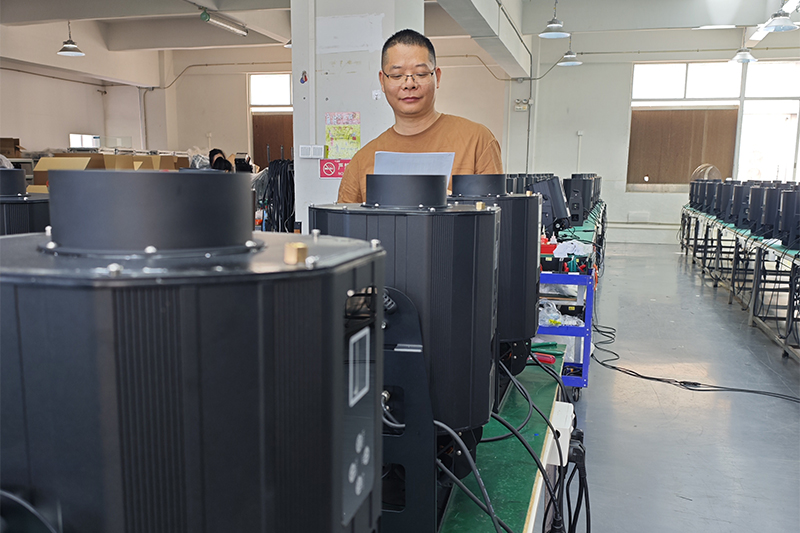
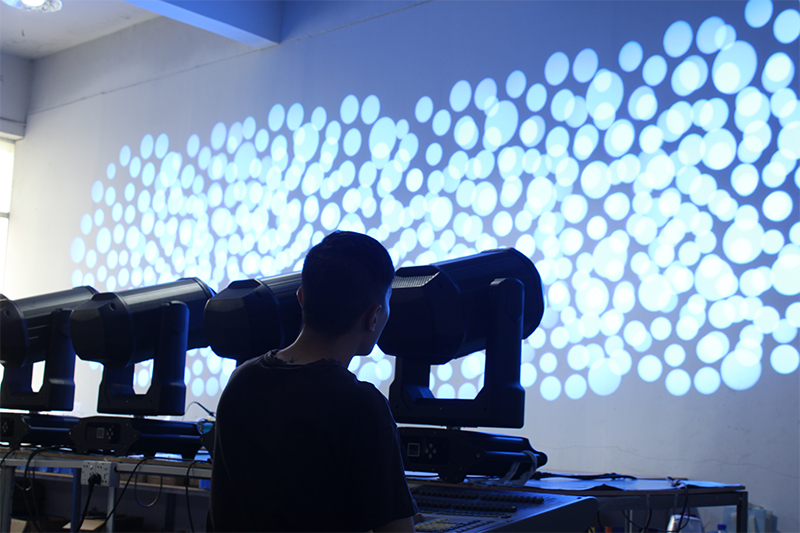
Photographs representing production floors and thermal validation steps.
The technological pathways that will define high-power spotlight engineering over the next decade.
Transitioning standard RGBW matrices to RGBAW-Lime or RGBAL configurations to yield optimal spectral coverage. Incorporating software-selectable PWM dimming frequencies up to 50kHz ensures total compatibility with high-speed television broadcast cameras, removing vertical flicker artifacts.
Integrating solid-state laser excitation sources with conventional yellow phosphors to achieve unmatched beam collimation. LEP allows beam angles to scale down below 0.5 degrees, allowing projectors to deliver intense lighting focus over kilometers with minimal power requirements.
Embedded micro-sensors tracking temperature gradients, relative humidity fluctuations, and electrical power factors. Real-time telemetry via RDM or Art-Net predicts failure windows of capacitors and fan bearings, alerting engineering operators prior to structural field failure.
Technical answers to critical procurement and field deployment questions from engineering teams.
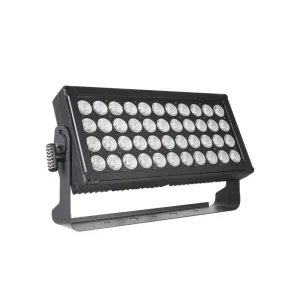
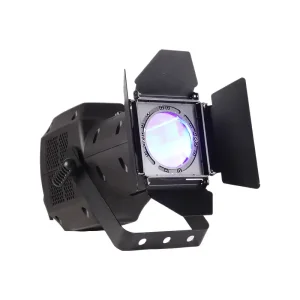
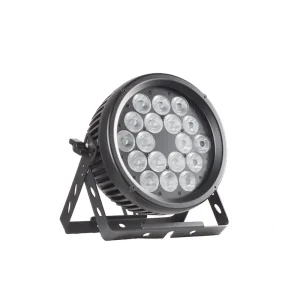
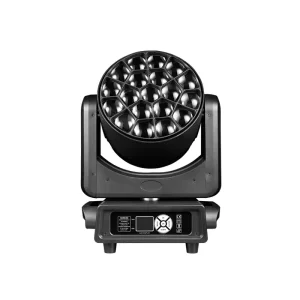
Technical fixtures designed for high efficiency, optical stability, and ease of installation.
 iTOPLITE