High-durability fixtures integrating top-tier finishing standards and premium optoelectronics.
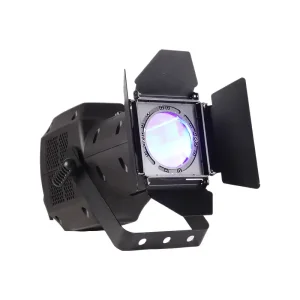
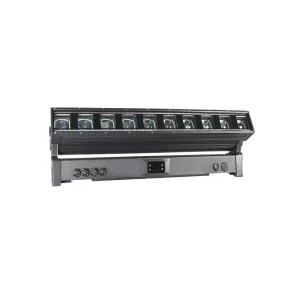
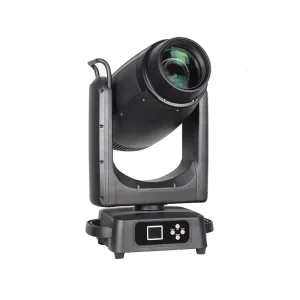
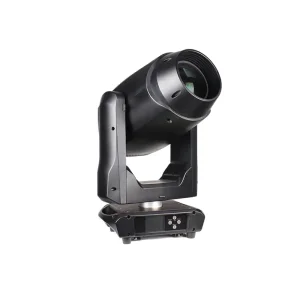
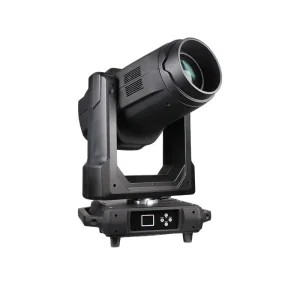
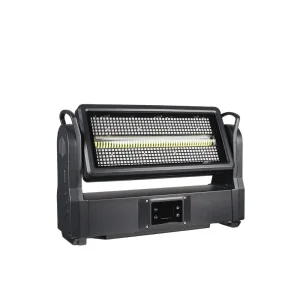
Stainless steel is celebrated globally for its high corrosion resistance, structural integrity, and exceptional aesthetic qualities. In modern industrial applications—spanning from chemical reactors, medical equipment, and food processing lines, to marine stage lighting, architectural brackets, and optical reflectors—the No. 8 mirror finish represents the absolute zenith of mechanical metal finishing. Obtaining this ultra-reflective surface by hand is a blend of precision craftsmanship and deep metallurgical science.
When engineering high-end optoelectronic devices (such as stage lights, high-luminance spotlights, or outdoor wash lights), the housings and internal components are frequently subjected to aggressive environmental factors. Implementing custom, hand-polished mirror finishes on stainless steel components serves a dual purpose: first, it elevates the optical reflection properties of the reflector elements to optimize light output; second, it eliminates microscopic surface crevices where moisture, salt sprays, and contaminants accumulate, drastically boosting the material's corrosion resistance.
Achieving a mirror polish is not merely about making a metal look "shiny." From a metallurgical perspective, mirror polishing is the process of reducing the surface roughness ($R_a$) to less than 0.2 micrometers (typically targeting $R_a \le 0.05\mu\text{m}$ for architectural mirror finish, and $R_a \le 0.02\mu\text{m}$ for high-end optical components). At this microscopic scale, light rays bounce off the surface in a coherent, specular manner rather than scattering in multiple directions (diffuse reflection).
Furthermore, manual polishing of stainless steel generates friction heat that actually modifies the surface layer. Proper hand-polishing techniques encourage the continuous regeneration of the Chromium Oxide ($Cr_2O_3$) passive layer. This ultra-thin, protective barrier prevents iron molecules from interacting with oxygen and moisture. Unlike automated machine polishing, which can leave heat-distortion marks and skip critical micro-contours on complex geometric shapes, custom hand-polishing ensures complete coverage of complex parts, leaving no room for galvanic or localized pitting corrosion.
The standard industrial procedure utilized by expert metal craftsmen to achieve flawless optical reflections.
Before introducing any abrasive media, the stainless steel piece (typically 304 or 316 grade) must be cleaned meticulously. Use specialized solvent degreasers to remove all traces of oil, cutting fluids, and residues from previous machining steps. Any particulate matter left on the surface can embed into the steel during subsequent steps, leading to visible scratches in the final mirror finish.
Commence the mechanical sanding process using premium silicon carbide or aluminum oxide abrasive papers. Start with 120-grit if the surface has deep mill scale or weld seams. Progress systematically to 240-grit, 400-grit, and 800-grit. The golden rule of professional hand-polishing is to alter the sanding direction by 90 degrees with each progressive grit level. This visual technique makes it obvious when the coarser scratches from the previous phase have been completely eliminated.
To prepare the steel for compounding, transition to wet sanding from grit 1000 up to 3000. Utilizing water with a minor drop of pH-neutral surfactant (soap) acts as a lubricant and flushes away loose metal particles, ensuring they do not score the material. This stage reduces surface micro-roughness down to the point where the metal takes on a satin, semi-reflective sheen.
Apply a hard-cutting compound (such as a black emery compound or dark green chromium oxide compound) to a firm spiral-sewn cotton buffing wheel. Working by hand with a high-torque rotary tool, apply firm, even pressure. This stage actively removes the 3000-grit sand scratches, evening out the micro-valleys on the surface of the stainless steel.
For the final gloss, switch to a soft flannel or loose-leaf cotton buffing wheel and a fine coloring compound (typically white alumina or blue buffing paste). Lightly guide the wheel across the surface, moving with the direction of the metal grain. Clean the residue using a micro-fine microfiber cloth and dry calcium carbonate powder (talc) to reveal a perfect, cloud-free, deep No. 8 mirror reflection.
Selecting the optimal technical route based on target roughness ($R_a$) and geometry complexity.
| Step Description | Abrasive Type / Compound | Grit Equivalent | Target Roughness (Ra) | Aesthetic Status |
|---|---|---|---|---|
| Mill Scale Removal | Alumina Zirconia Belts | 80 - 120 Grit | 1.5 - 2.0 μm | Dull, Textured Metallic Gray |
| Defect Leveling | Silicon Carbide Paper (Dry) | 220 - 400 Grit | 0.8 - 1.2 μm | Fine Brushed Finish (No. 4) |
| Micro-Scratch Refining | Silicon Carbide Paper (Wet) | 800 - 1500 Grit | 0.3 - 0.5 μm | Satin Semi-Reflective |
| Mirror Base Prep | Ultra-Fine Polishing Pads | 2000 - 3000 Grit | 0.1 - 0.2 μm | Bright Satin Finish |
| First Buffing Cut | Black Emery / Hard Buff | Dialux Black Equivalent | 0.05 - 0.08 μm | Reflective but cloudy (No. 7) |
| Final Mirror Polish | White Alumina / Green Chromia | Dialux White / Green | < 0.02 μm | True Mirror No. 8 Reflection |
Why multi-national companies prioritize high-fidelity hand-polished metals for high-exposure products.
In humid maritime applications, coastal stages, and heavy chemical installations, standard machine-polished components fail prematurely. Microscopic fissures act as reservoirs for airborne salts. Hand-polishing removes these imperfections, assuring that external fixtures remain impervious to rust and crevice degradation over decades of service.
For custom projectors, stage lights, and high-performance optoelectronics, reflection efficiency directly translates to lower electrical consumption. A custom-polished mirror-finish reflector panel ensures that over 95% of generated photons are directed accurately toward the lens, optimizing system efficacy and preventing heat buildup.
Unlike simple planar surfaces, intricate enclosures for moving head stage lights, outdoor spotlights, and curved decorative metalwork cannot be adequately polished by automated industrial machinery. Expert hand-polishing remains the only method capable of rendering flawless specular surfaces on deep curves, internal angles, and intricate structural joints.
A decade of manufacturing excellence in optoelectronics, premium stage lights, and robust hardware design.
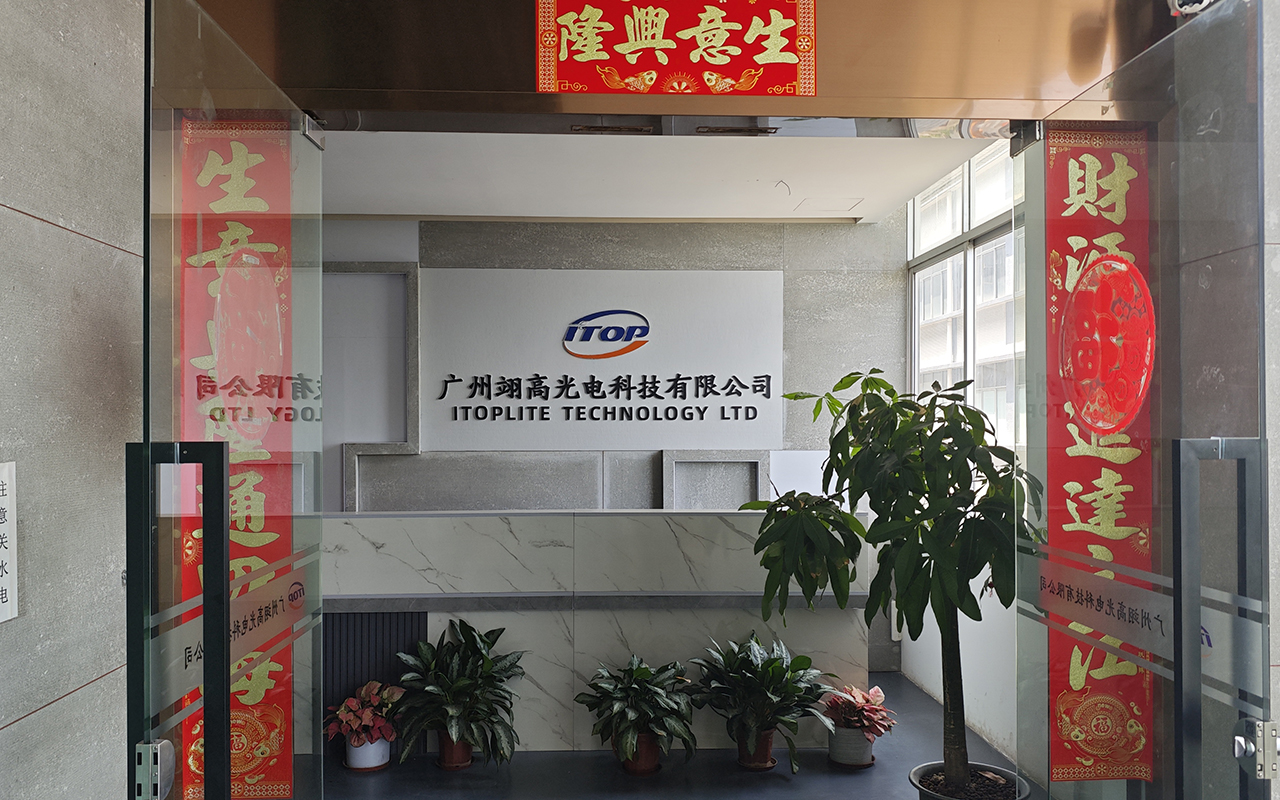
Established in 2014, iTOPLITE (Guangzhou iTOPLITE Technology Co., Ltd.) has emerged as a prominent manufacturing enterprise within the specialized field of optoelectronics. Over the years, it has been dedicated to the production of a diverse range of high-end and mid-range products, with a particular focus on stage lights, LED lights, and comprehensive lighting solutions. The company's mission is to offer customers a seamless one-stop solution experience, catering to all their lighting requirements.
Innovation creates value, win-win achieves the future
innovation is the way to win, and integrity is the foundation of our foundation.
With an unwavering commitment to indoor and outdoor lighting for several years, iTOPLITE Optoelectronics has cultivated a robust R&D team. This team is composed of highly skilled professionals who bring with them extensive industry experience and a passion for innovation. Their collective expertise enables the company to precisely meet the diverse and often complex needs of customers, whether it pertains to elaborate stage lighting designs for grand performances or efficient and aesthetically pleasing indoor and outdoor lighting setups for various architectural and commercial spaces.
The company takes great pride in its ability to address the multifaceted challenges that customers encounter in the realm of lighting. This includes not only achieving remarkable lighting effects but also ensuring energy conservation, adhering to strict environmental protection standards, and implementing intelligent control systems. By doing so, iTOPLITE Optoelectronics creates not just illuminated spaces but truly high-quality light environments that enhance the overall experience and functionality of any given area.
"We are committed to bringing high-quality and high-purity materials to every company and research institution that needs them."
iTOPLITE Optoelectronics places a premium on product quality. Its products have successfully passed the ISO14001:2004 Environmental Management System Certification and the ISO9001 International Quality System Certification. These certifications serve as a testament to the company's unwavering dedication to maintaining the highest standards of quality in every aspect of its manufacturing process. From the careful selection of raw materials to the precise assembly and rigorous quality control checks, each step is meticulously monitored to ensure that customers receive products that are not only reliable but also built to last.
The company firmly believes in the power of technological innovation and places significant emphasis on R&D investment. By continuously allocating resources to research and development, iTOPLITE Optoelectronics manages to stay at the forefront of technological advancements in the optoelectronics industry. This enables them to introduce cutting-edge features and functions into their products, providing customers with innovative and highly efficient lighting solutions. Whether it's the latest in LED lighting technology, advanced control algorithms for intelligent lighting systems, or novel designs for enhanced lighting effects, the company is constantly pushing the boundaries to offer products that are both technologically superior and practical in application.

iTOPLITE Optoelectronics distinguishes itself through its comprehensive service offerings. The company offers a seamless end-to-end service experience, starting from the initial design phase. Their team of experienced designers works closely with customers to understand their unique vision and requirements, translating them into customized lighting designs. Once the design is finalized, the production process kicks in, leveraging state-of-the-art manufacturing facilities and efficient production lines to ensure timely delivery of high-quality products. But the service doesn't stop there. The company also provides professional installation services, ensuring that the lighting systems are installed correctly and optimized for performance. And even after installation, iTOPLITE Optoelectronics offers reliable maintenance and after-sales support, promptly addressing any issues that may arise and ensuring the long-term satisfaction of customers.
This comprehensive approach to service has earned the company a reputation for reliability and customer-centricity in the highly competitive optoelectronics market.
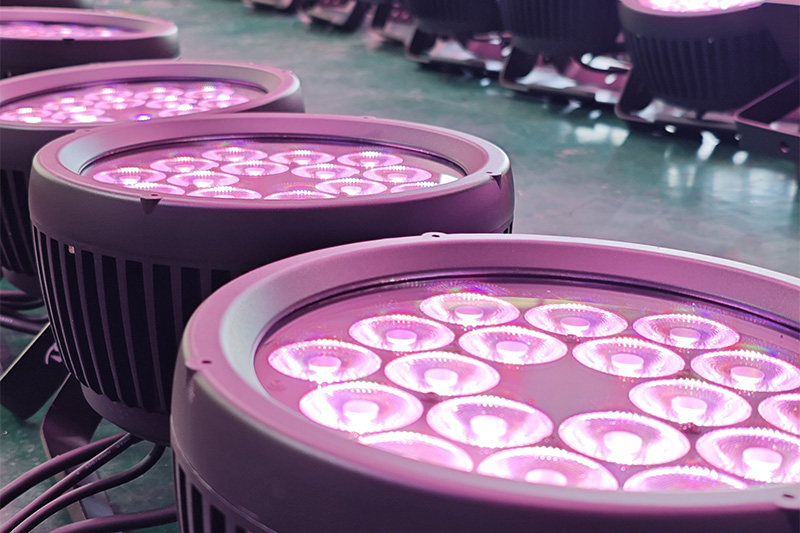

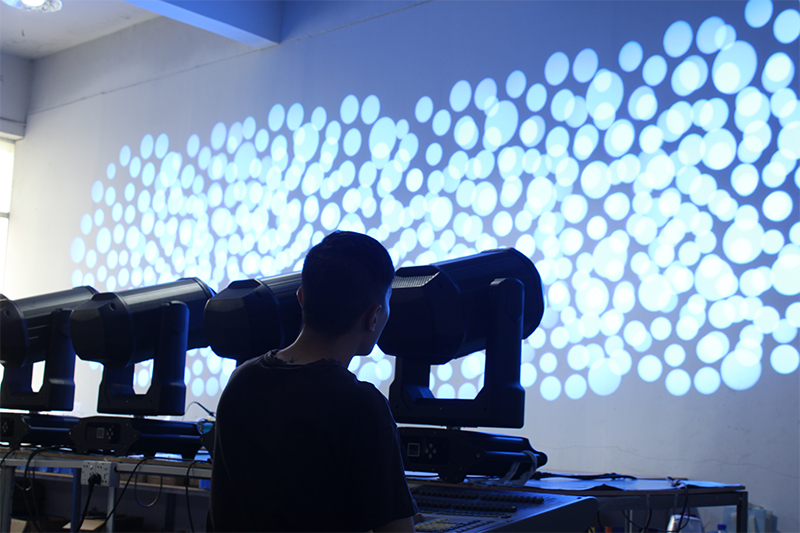
The manufacturing sector is witnessing a paradigm shift toward environmental compatibility and extreme durability. The standard practices for manual mirror polishing are evolving. iTOPLITE is constantly evaluating advanced materials and finishing methods to merge optoelectronic performance with robust physical durability. Here are key trends shaping the next decade:
Traditional compounds contain volatile organic binders and metal oxides that pose environmental and occupational challenges. The development of water-soluble, bio-degradable green compounds allows for the same high cutting capability without hazardous residues. Furthermore, advanced chemical citric-acid passivation processes are replacing traditional nitric acid methods, ensuring a safer and highly clean passive film on mirror-polished stainless steel components.
Once a No. 8 mirror finish is attained by hand, preserving its specular reflectivity in outdoor and coastal installations is paramount. Applying ultra-thin, optically clear ceramic nano-coatings (such as Silica-based coatings) protects the metallic surface from fingerprint oils, moisture stains, and acid rain, maintaining the pristine reflectivity of stage strobe lights and wash lights without diminishing light transmittance.
To scale production without losing the artisan precision of hand finishing, manufacturers are pioneering hybrid processes. Collaborative robots (Cobots) perform the initial, uniform flat-plane sanding phases, while human master-finishers perform the final coloring steps on the complex fillets and three-dimensional contours of light housings, achieving a highly cost-efficient and ultra-consistent industrial yield.
Technical answers to critical questions commonly encountered by engineering designers and procurement officers.
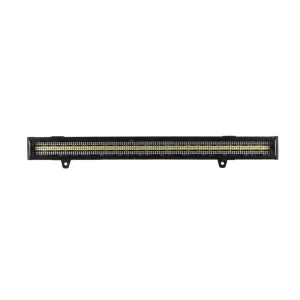
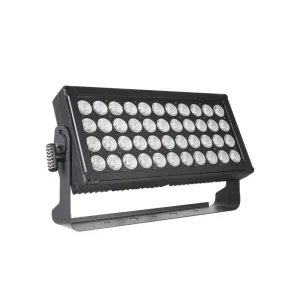
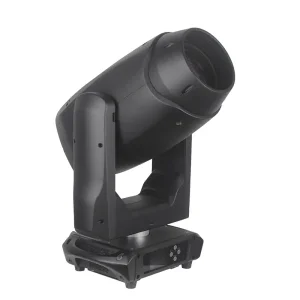
Explore our complete catalog of certified stage fixtures and high-end optoelectronic devices.
 iTOPLITE