Engineered for structural integration, optimized lumens-per-watt metrics, and intelligent architectural controls.
Analyzing the Convergence of Architecture, Dynamic Solid-State Lighting (SSL), and Green Building Standards.
The global commercial and industrial lighting industry is undergoing a monumental transition. Traditional, static illumination systems are rapidly giving way to dynamic, intelligent wall-mounted luminaires. These systems must meet strict demands for carbon footprint reduction, zero-glare comfort, and high-performance color rendition. According to global construction statistics, architectural indoor wall lighting represents over 24% of the commercial solid-state lighting footprint. Today's commercial buildings, high-end hospitality venues, and architectural complexes demand luminaire configurations that serve both functional and aesthetic purposes. These lights must provide directional orientation, wall washing, and ambient mood control, all while integrating seamlessly into Building Management Systems (BMS).
In response to these market requirements, leading manufacturers are moving beyond simple fixture production. The focus has shifted toward complex optoelectronic engineering. Modern installations require precise optical distributions, such as asymmetric grazing and narrow beam projecting. At the same time, they must maintain high luminous efficacy (often exceeding 120 lm/W) and a high Color Rendering Index (CRI Ra ≥ 90). Manufacturers that prioritize structural durability, heat management, and compliance with certifications like ISO9001 and ISO14001 are becoming the preferred partners for international architectural and infrastructure projects.
A Decade of Advancing Precision Lighting Solutions
Established in 2014, iTOPLITE (Guangzhou iTOPLITE Optoelectronics Technology Co., Ltd.) has developed into a prominent manufacturing enterprise in the specialized field of optoelectronics. Our company specializes in producing high-end and mid-range luminaires, including architectural fixtures, stage lights, intelligent LED devices, and customized systems. Our mission is to provide global engineering and retail partners with a seamless, end-to-end design and manufacturing experience.
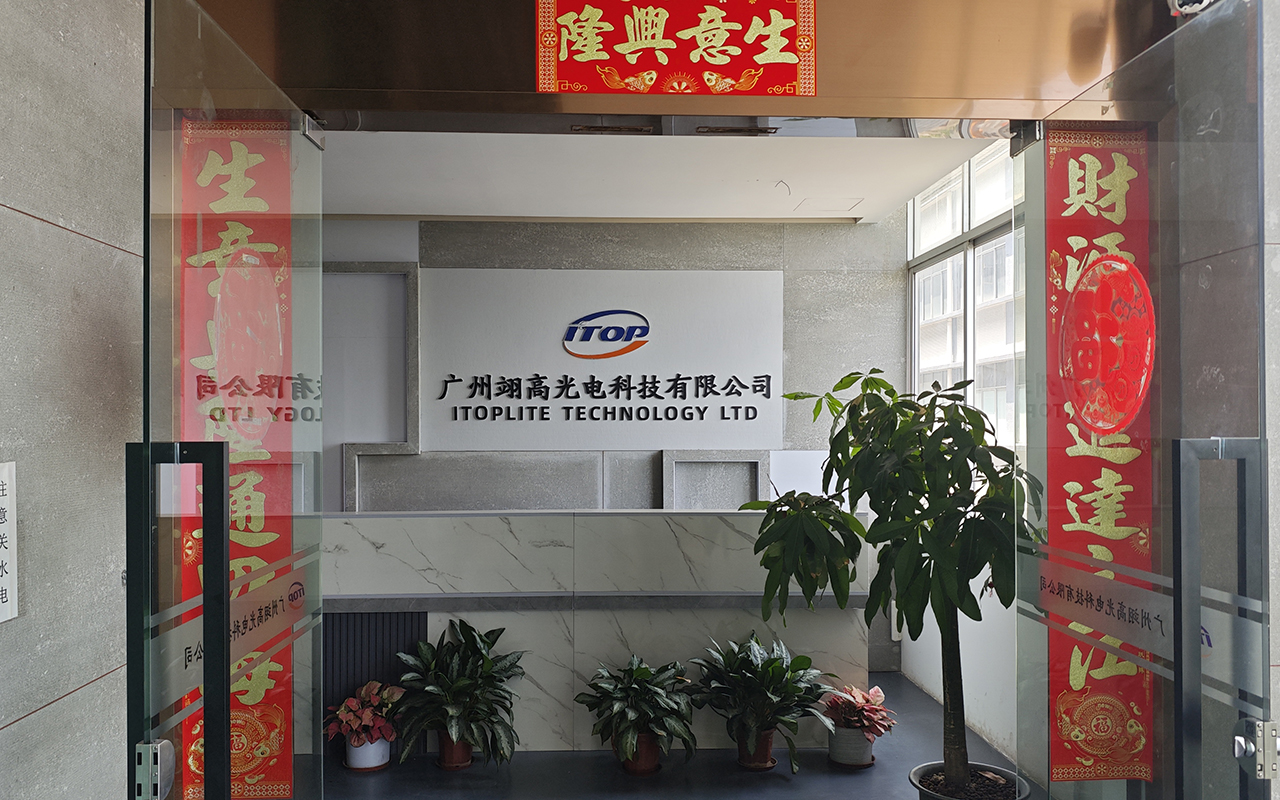
Delivering high-purity materials, advanced electronic engineering, and certified quality controls.
All products are manufactured under strict protocols, successfully passing the ISO14001:2004 Environmental Management System Certification and the ISO9001 International Quality System Certification. From components sourcing to thermal chamber stress-testing, quality control is central to our production.
We continuously invest in optoelectronic R&D. Our team designs thermal profiles, develops high-density PCB arrays, and programs intelligent control drivers (supporting DMX512, RDM, and Art-Net protocols) to ensure long-term stability and high luminous efficacy.
We provide full project support, from customized photometric design and raw material sourcing to production, testing, custom housing, and expert technical guidance. Our support ensures your projects install smoothly and perform reliably over time.
The Evolution of Smart Lighting: Human-Centric Controls, Micro-Optics, and Thermal Management.
The future of indoor wall-mounted lighting relies heavily on digital connectivity. Legacy analog dimming systems (like 1-10V) are being phased out in favor of bidirectional digital protocols, including DMX512-RDM, Dali-2, and wireless mesh networks. Remote Device Management (RDM) allows maintenance crews to monitor temperature, runtime, and address status directly from a centralized station. Looking ahead, wall-mounted units will act as node points in smart building networks. They will house environmental sensors, Bluetooth positioning beacons, and daylight harvesting devices to maximize energy efficiency.
As architectural requirements become more precise, luminaires must project light exactly where it is needed without causing glare or light spill. Standard diffuse wall lamps are being replaced by units featuring PMMA Total Internal Reflection (TIR) lens arrays. These specialized lenses allow for narrow wall grazing, precise asymmetric beam angles, and sharp cut-offs. Designers can now illuminate tall vertical surfaces without creating visual hot spots or high Unified Glare Ratings (UGR), which improves visual comfort for occupants.

The life and efficiency of a high-power LED array depend directly on keeping its junction temperature low. Modern architectural wall lights feature advanced thermal management systems, using extruded anodized aluminum heat sinks, thermal interface materials (TIM) with high thermal conductivity, and integrated thermal fold-back circuits. By keeping junction temperatures below 75°C, manufacturers can reliably offer L90 lifetime ratings of over 50,000 operating hours.
Human-centric lighting (HCL) is becoming a standard feature in high-end commercial spaces. Indoor wall luminaires now utilize multi-channel LED arrays (such as RGBW, Warm Dimming, or Tunable White) to mimic natural daylight cycles. By adjusting color temperatures from 2700K to 6500K throughout the day, these luminaires support human circadian rhythms. This helps improve focus in workspaces and promotes relaxation in hospitality settings.
How leading lighting designs resolve functional challenges across diverse spatial environments.
In hotels, fine dining, and luxury retail galleries, wall-mounted fixtures define the layout and guide visitors. Asymmetric wall-wash systems illuminate wall textures, highlight artwork, and call attention to architectural features. Utilizing high-CRI fixtures (Ra ≥ 95) ensures that fabrics, paintings, and architectural materials look rich and natural.
Modern workplaces require glare-free lighting to maintain productivity and prevent eye strain. Wall-mounted uplights bounce light off the ceiling, creating comfortable ambient lighting that reduces glare on computer screens. Integrating sensors into these units allows them to dim automatically based on natural daylight levels, saving significant energy.
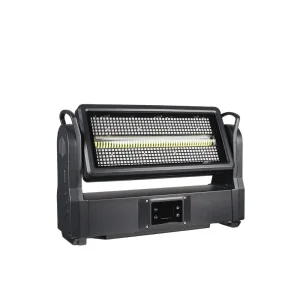
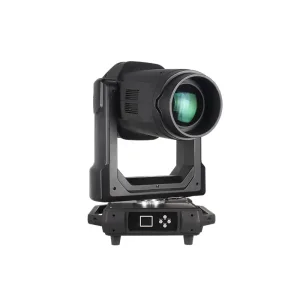
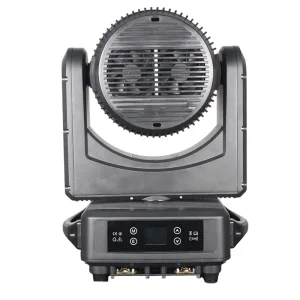
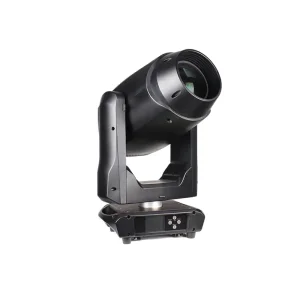
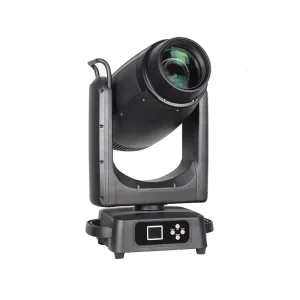
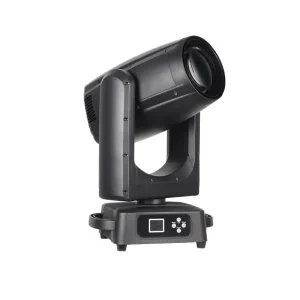
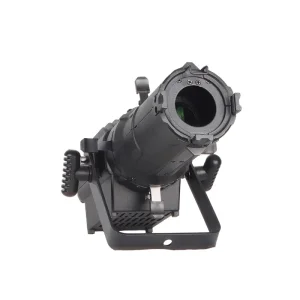
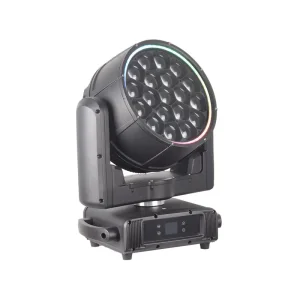
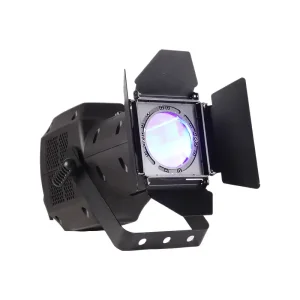
Multipurpose halls, theaters, and event arenas require versatile fixtures. Theatrical wall-mounted spotlights and moving head systems can instantly transform a room from a neutral corporate meeting space to an energetic live venue. Dynamic features like DMX-controlled zooming, strobe options, and color mixing allow properties to host a wide range of events.
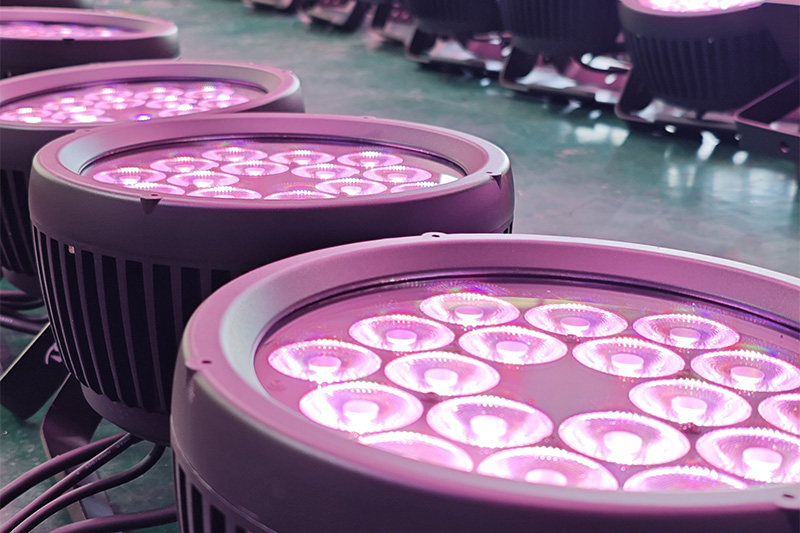
Expert answers addressing the design, installation, and operation of high-performance indoor and outdoor luminaires.
A behind-the-scenes look at our production and quality control departments.
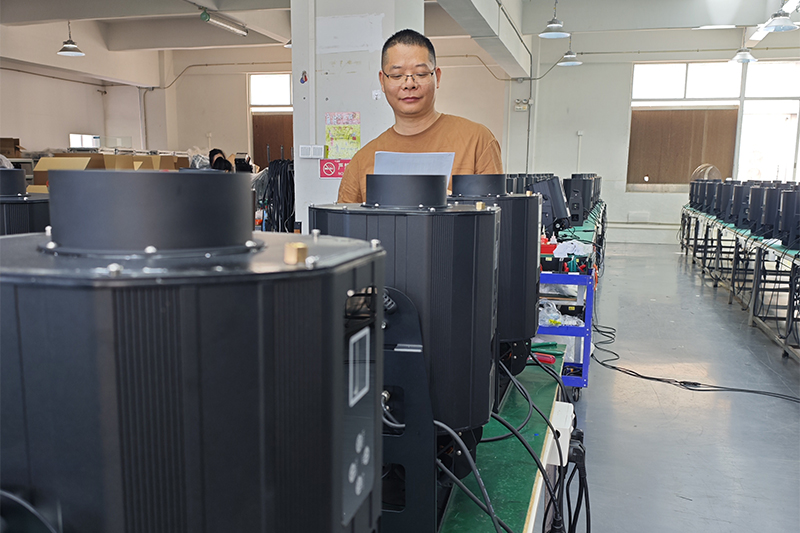
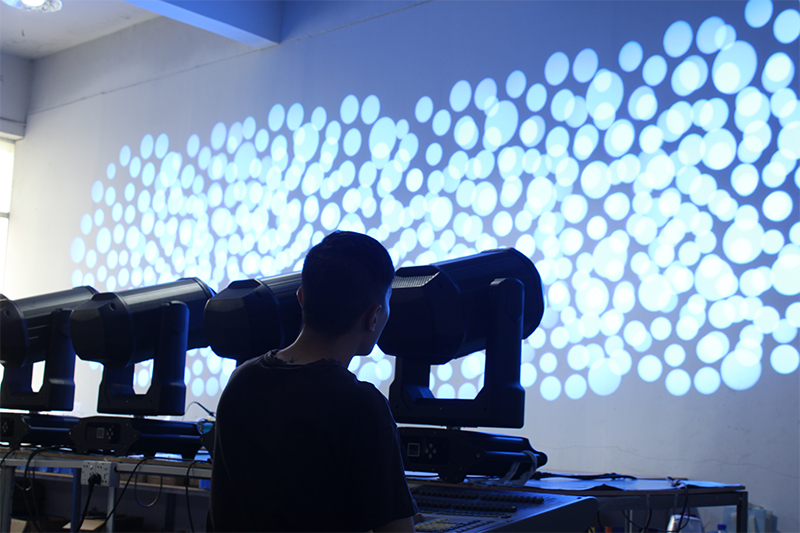
High-output projection, custom optics, and robust outdoor-rated capabilities.
 iTOPLITE