In modern industrial design, architecture, and advanced hardware manufacturing, stainless steel is prized for its strength, corrosion resistance, and longevity. However, its natural metallic silver finish is often insufficient for projects demanding high aesthetic value, specific optical properties, or strict brand identity. Consequently, the industrial market has shifted toward high-performance coloring methodologies. Finding the wholesale best how to color stainless steel manufacturer & factory has become a mission-critical objective for procurement managers across the globe.
From architectural facade cladding in metropolitan hubs to the heat-dissipating chassis of rugged IP65-rated entertainment and stage lighting fixtures, colored stainless steel serves dual structural and aesthetic purposes. The global market value for colored stainless steel is expanding rapidly, propelled by advancements in green manufacturing technologies and high-durability surface finishes such as Physical Vapor Deposition (PVD) coating and advanced electrochemical passivation.
Stainless steel derives its corrosion resistance from a microscopically thin, self-healing layer of chromium oxide ($Cr_2O_3$) on its surface. Changing the color of stainless steel involves either modifying the thickness of this natural layer (which creates light interference colors) or depositing a new, hard layer of colored compounds on top of it. Here is the definitive roadmap of the major industrial methods utilized by leading factories:
The INCO process (developed by the International Nickel Company) is the primary method for electrochemical coloring. It involves immersing the stainless steel in a hot solution of chromic and sulfuric acids. Rather than adding pigments, this process uses controlled electrical current and temperature to grow the transparent chromium oxide layer. The thickness of this film (varying between 20nm and 350nm) determines which wavelengths of light are reflected and which cancel out, producing vibrant interference colors (bronze, blue, gold, red, and green). Because no pigments are used, the color is completely UV-stable and will not peel.
PVD is a dry, high-vacuum process where metallic targets (such as Titanium, Zirconium, or Chromium) are vaporized and reacted with specific gases (like Nitrogen, Acetylene, or Oxygen) to form a thin ceramic layer on the steel. For example, titanium nitride ($TiN$) results in a deep gold color, while titanium carbide ($TiC$) produces charcoal black. PVD coating offers unmatched surface hardness (often exceeding 2000 HV), making it ideal for moving-head stage lights, outdoor installations, and heavy-use architectural fixtures.
By using precision fiber laser sources, manufacturers can heat the surface of the stainless steel locally to induce rapid oxidation. By modulating the laser's frequency, pulse duration, and speed, the thickness of the oxide layer can be adjusted down to the nanometer scale, producing localized full-color designs. This is highly effective for high-definition branding, technical labeling, and complex serializations directly on the product's metal shell.
| Method | Thickness Range | Vickers Hardness (HV) | UV/Fade Resistance | Primary Industrial Use Cases |
|---|---|---|---|---|
| Electrochemical (INCO) | 20 nm - 350 nm | 180 - 250 (Base Steel) | Excellent (Physics-based color) | Architectural cladding, artistic installations |
| PVD Coating | 0.5 µm - 2.0 µm | 2000 - 2500 | Outstanding (Highly stable) | Outdoor stage lights, consumer electronics, watch cases |
| Laser Annealing | 10 nm - 100 nm | Variable (Localized) | Good (Depends on sealant) | Traceability marking, custom brand logos, serial numbers |
| Chemical Bronzing | 1.0 µm - 3.0 µm | Low (Requires lacquer) | Moderate (Can degrade under UV) | Traditional indoor decor, replica restoration work |
The choice of stainless steel coloring is closely tied to regional regulations and environment-specific stresses. For instance, in the European Union, manufacturers must adhere strictly to REACH and RoHS certifications, driving factories away from heavy-metal acid baths and toward eco-friendly PVD and dry laser processing. In North America and Southeast Asia, heavy demand for marine-grade corrosion resistance drives the specification of electrochemically colored Grade 316 stainless steel for harbors, luxury vessels, and outdoor stage projection rigs.
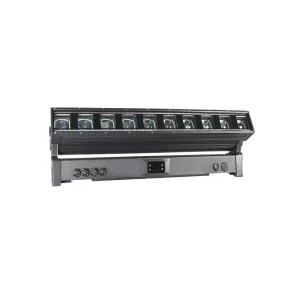
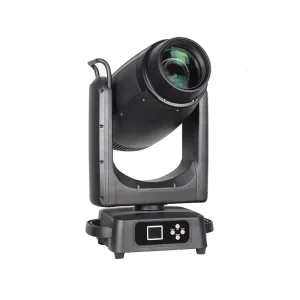
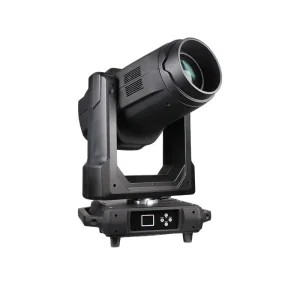
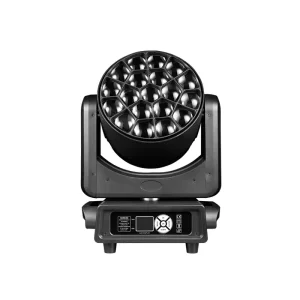
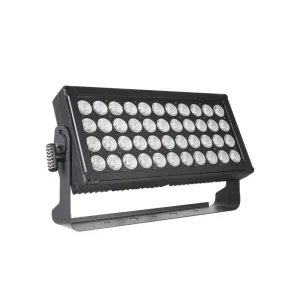
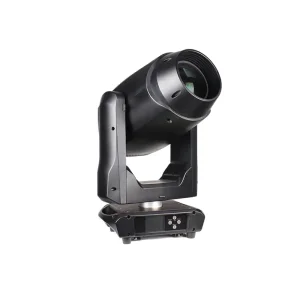
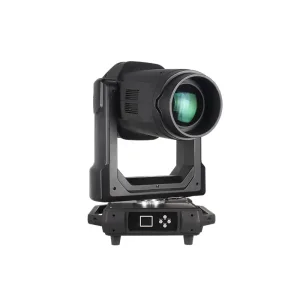
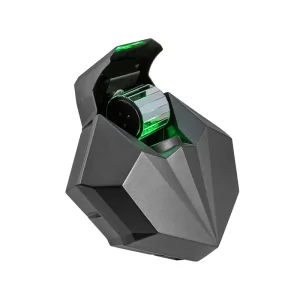
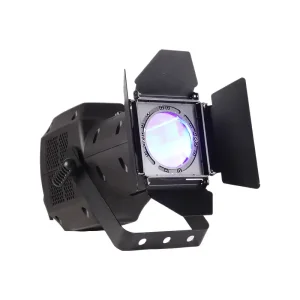
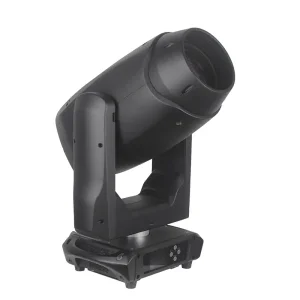
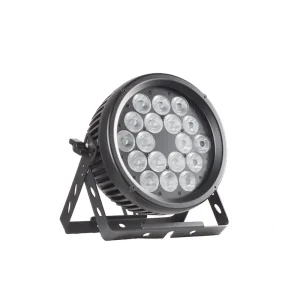
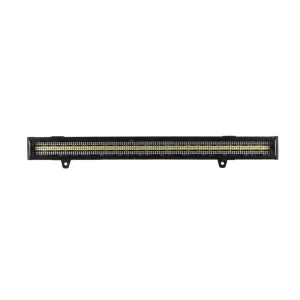
At Guangzhou iTOPLITE Optoelectronics Technology Co., Ltd, we recognize the synergy between advanced metallurgy and high-performance optoelectronics. Our professional stage and architectural lighting fixtures—which frequently experience extreme temperatures, heavy vibrations, and exposure to corrosive coastal air—rely on these precise coloring technologies to shield delicate LED arrays and complex DMX-controlled internal electronics. By employing robust chassis materials, we ensure our moving-head and wash lights remain operational under the harshest operational conditions.
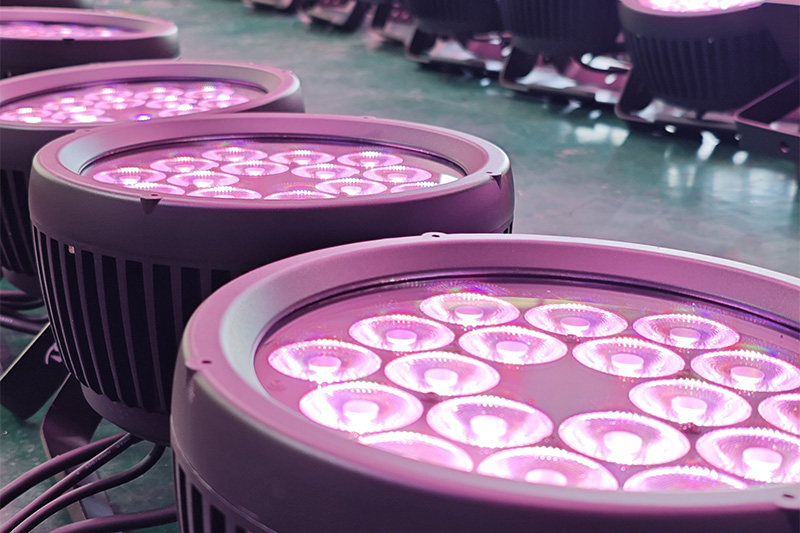
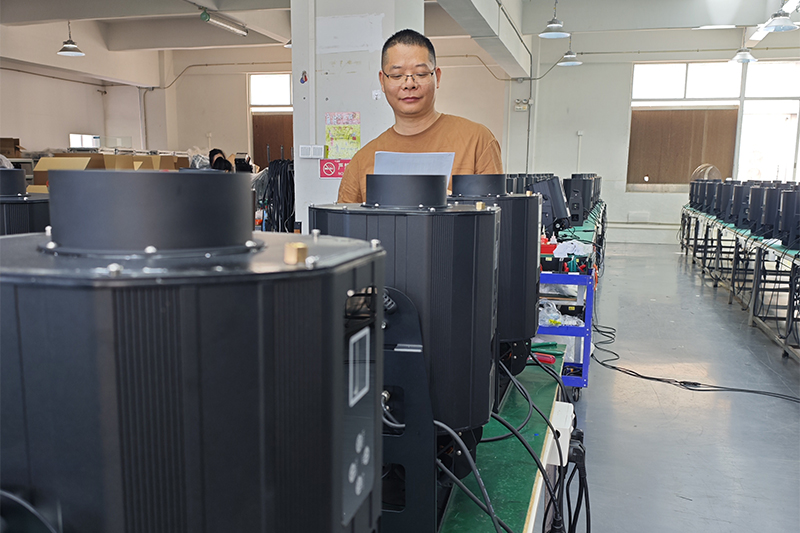
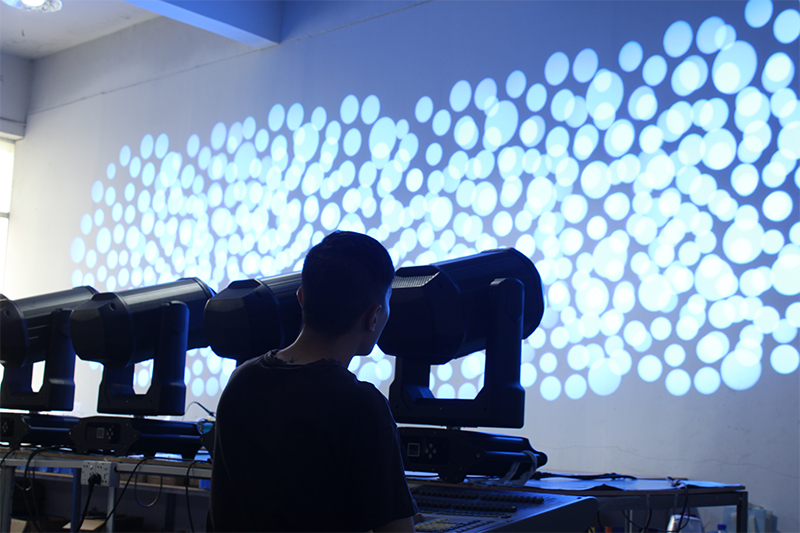
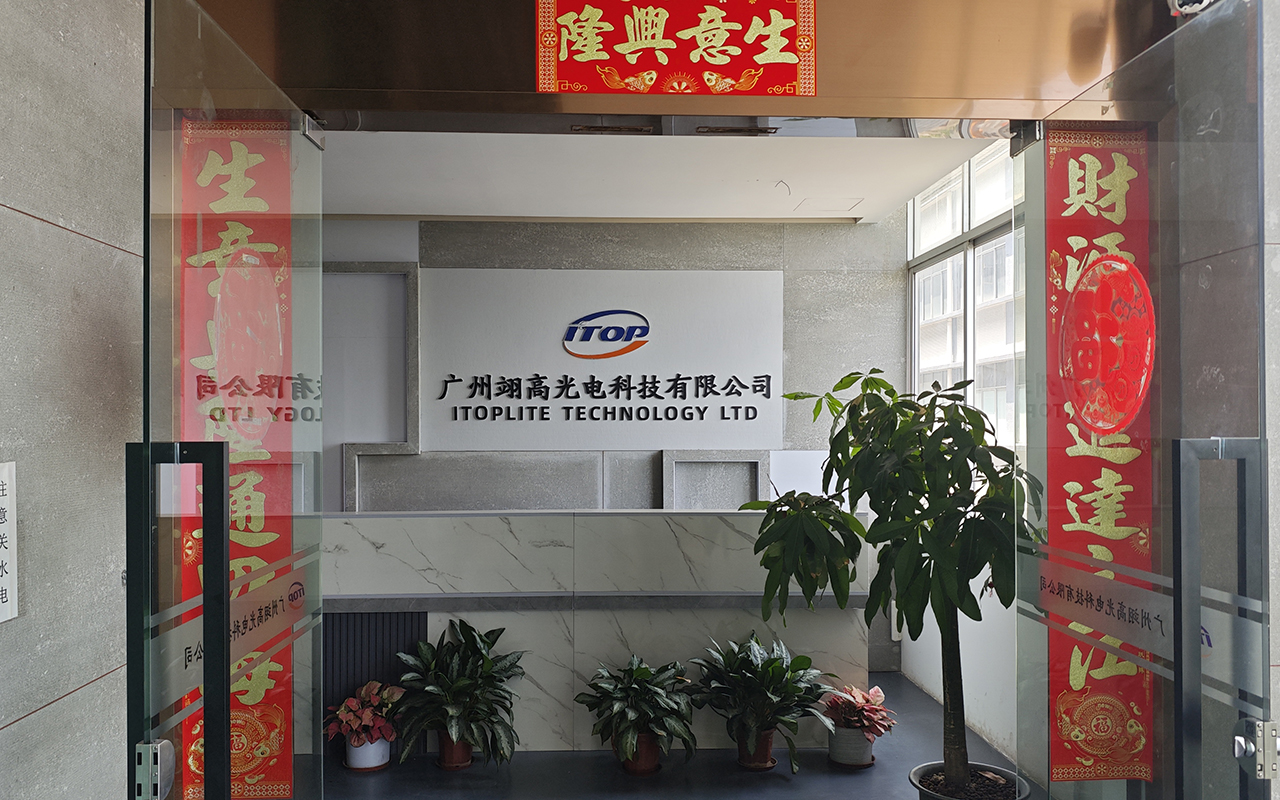
Established in 2014, iTOPLITE (Guangzhou iTOPLITE Technology Co., Ltd.) has emerged as a prominent manufacturing enterprise within the specialized field of optoelectronics. Over the years, it has been dedicated to the production of a diverse range of high-end and mid-range products, with a particular focus on stage lights, LED lights, and comprehensive lighting solutions. The company's mission is to offer customers a seamless one-stop solution experience, catering to all their lighting requirements.
Innovation creates value, win-win achieves the future
Innovation is the way to win, and integrity is the foundation of our foundation.
With an unwavering commitment to indoor and outdoor lighting for several years, iTOPLITE Optoelectronics has cultivated a robust R&D team. This team is composed of highly skilled professionals who bring with them extensive industry experience and a passion for innovation. Their collective expertise enables the company to precisely meet the diverse and often complex needs of customers, whether it pertains to elaborate stage lighting designs for grand performances or efficient and aesthetically pleasing indoor and outdoor lighting setups for various architectural and commercial spaces.
The company takes great pride in its ability to address the multifaceted challenges that customers encounter in the realm of lighting. This includes not only achieving remarkable lighting effects but also ensuring energy conservation, adhering to strict environmental protection standards, and implementing intelligent control systems. By doing so, iTOPLITE Optoelectronics creates not just illuminated spaces but truly high-quality light environments that enhance the overall experience and functionality of any given area.
iTOPLITE Optoelectronics places a premium on product quality. Its products have successfully passed the ISO14001:2004 Environmental Management System Certification and the ISO9001 International Quality System Certification. These certifications serve as a testament to the company's unwavering dedication to maintaining the highest standards of quality in every aspect of its manufacturing process.
The company firmly believes in the power of technological innovation and places significant emphasis on R&D investment. By continuously allocating resources to research and development, iTOPLITE Optoelectronics manages to stay at the forefront of technological advancements in the optoelectronics industry.
iTOPLITE Optoelectronics distinguishes itself through its comprehensive service offerings. The company offers a seamless end-to-end service experience, starting from the initial design phase, progressing through professional installation services, and ending with dedicated lifetime after-sales support.

We are committed to bringing high-quality and high-purity materials to every company and research institution that needs them.
Achieving stable coloration on stainless steel component housings requires a deep understanding of thermodynamics, chemistry, and high-vacuum engineering. For commercial buyers and industrial designers seeking to design products utilizing colored steel, we provide a structured macro solution framework:
 iTOPLITE