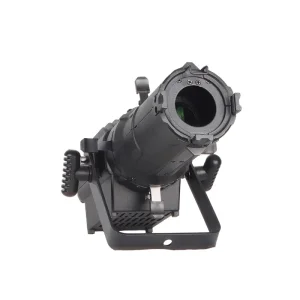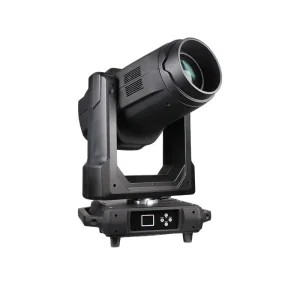
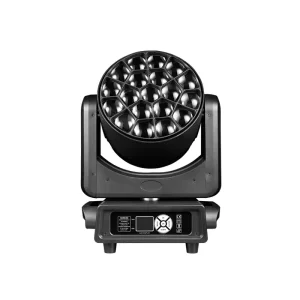
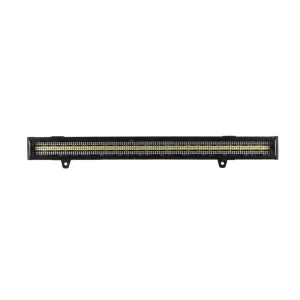
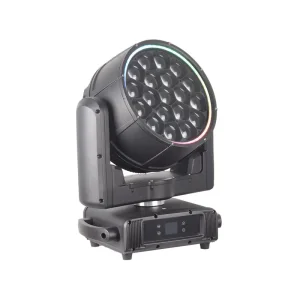
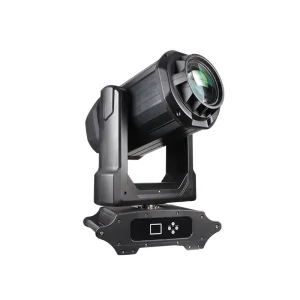
Within B2B procurement, specifying the best indoor LED flood lights requires analyzing optical performance, thermal transfer characteristics, and smart network integration. As architectural and production demands transition toward hyper-efficient environments, structural configurations must meet specific criteria. Procurement involves navigating varying standards of lumens-per-watt efficiency, spectral consistency (CRI & TLCI), and architectural DMX integration.
As a leading Chinese optoelectronics manufacturer, we present this comprehensive whitepaper. It outlines technical specifications, manufacturing processes, and structural design factors that define industrial-grade illumination. From high-output theatrical wash systems to low-glare architectural structures, the focus remains on delivering durable, high-efficiency equipment.
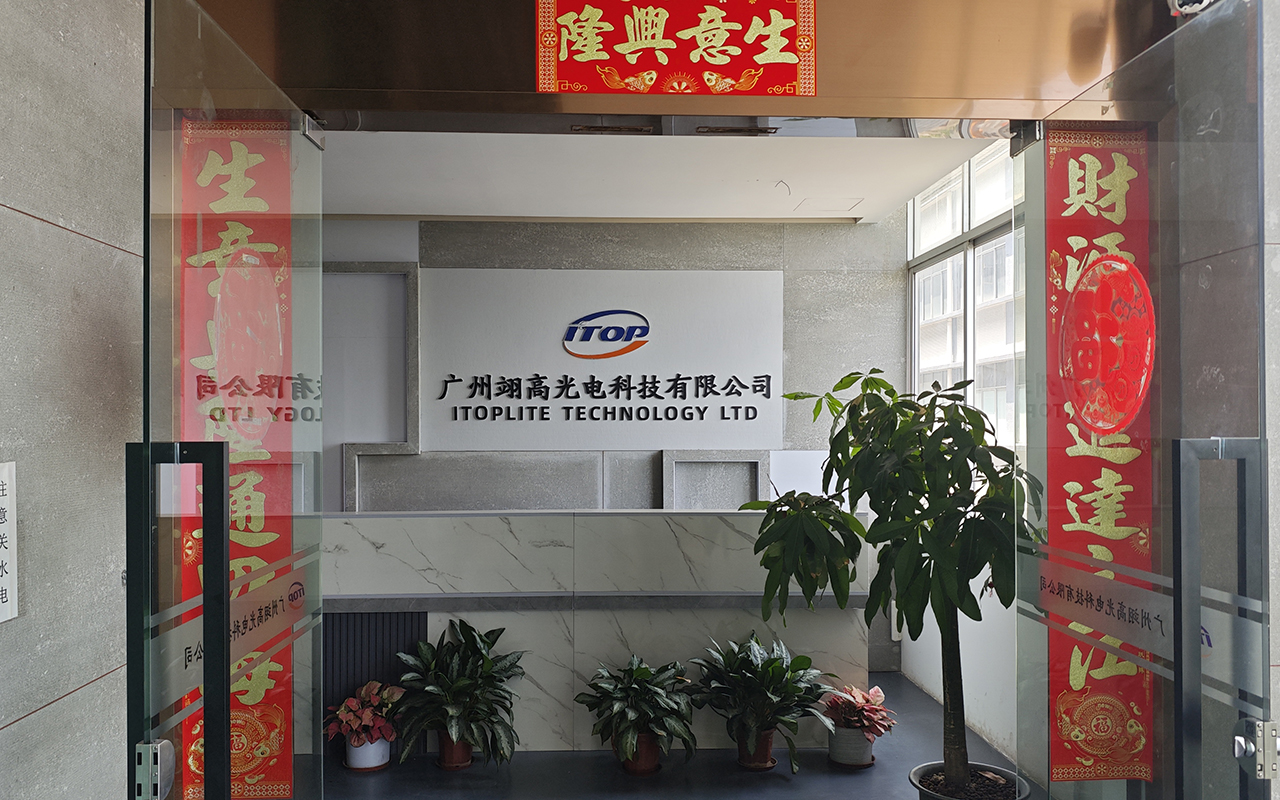
We design our commercial lighting systems to meet strict operational parameters, ensuring optical stability and long-term durability.
Guangzhou's Panyu and Huadu districts lead the global optoelectronics supply chain. This concentration integrates raw material sourcing, die-level component manufacturing, secondary optics engineering, and assembly within a tight geographical area. For global buyers sourcing wholesale indoor LED flood lights, this concentration offers key benefits:
We source structural components, high-purity aluminum alloys, and LED drivers locally. This minimizes logistical delays, reduces production lag, and maintains consistency across large batch orders.
Our in-house R&D team develops custom PCB layouts and custom cooling fins. We transition concepts from initial CAD files to functional photometrical prototypes quickly, expediting customized manufacturing.
Our production facilities utilize modern optical test equipment, integration spheres, and thermal imaging cameras. We maintain compliance under ISO9001 and ISO14001 certification frameworks.
The optoelectronics industry is shifting toward smart, high-spectral-fidelity, and environmentally sustainable systems. Industrial-scale projects rely on specific technological advancements:
Modern layouts integrate RDM (Remote Device Management) and DMX512 controls. This allows operators to monitor driver temperatures, run hours, and modify addressing channels remotely from a central control desk.
COB emitters pack high luminous density into small emission surfaces. This allows for tighter control of beam angles, reducing spill light and chromatic aberration in flood lighting applications.
For silent operation, modern systems utilize die-cast aluminum heat sinks with custom heat-pipes. This configuration relies on natural convection to cool high-power setups, eliminating fan noise.
Global directives restrict energy usage, making system efficacy critical. Modern commercial spaces require high-lumen outputs with minimal energy consumption.
Floodlighting requirements vary by application. Our fixtures are designed with customized features to suit specific environments:
Stage applications require precise color rendering and silent operation. Our systems feature high CRI values (Ra ≥ 90) and smooth dimming curves (dimming down to 0% without steps) for seamless integration with theatrical protocols.
High ceilings require fixtures with narrow, long-throw optics and high structural durability. Our high-power LED engines deliver concentrated light over long distances, maintaining uniform lux levels on the target plane.
Industrial spaces benefit from wide-angle illumination that enhances visibility and safety. These models focus on durability, utilizing dust-resistant enclosures, surge protection components, and high efficacy for long run times.
Guangzhou iTOPLITE Technology Co., Ltd., established in 2014, specializes in the production of high-end and mid-range stage lights, LED fixtures, and complete lighting solutions. Our goal is to provide a seamless, single-source experience for commercial lighting projects globally.
We work to solve technical challenges for our clients, including achieving precise light distribution, maximizing energy savings, meeting environmental standards, and implementing smart controls.
"Innovation creates value, win-win achieves the future." — Management Principle
"Innovation is the path to leadership, and integrity is our foundation." — Corporate Culture
Our production processes are certified to ISO14001:2004 Environmental Management and ISO9001 International Quality systems. We use certified components to ensure reliable operation.
We invest in optoelectronic research and development to integrate current features, such as custom control protocols and optimized thermal structures, into our designs.
We support clients from initial conceptualization and lux planning through production, delivery, installation guidance, and post-installation technical support.

With an experienced focus on indoor and outdoor lighting, iTOPLITE Optoelectronics maintains a dedicated R&D team. This team is composed of technical professionals with extensive experience in optical systems engineering, firmware programming, and mechanical design.
We work to match our production to specific client requirements, supporting theatrical lighting designers, architectural engineering firms, and event rental operations globally.
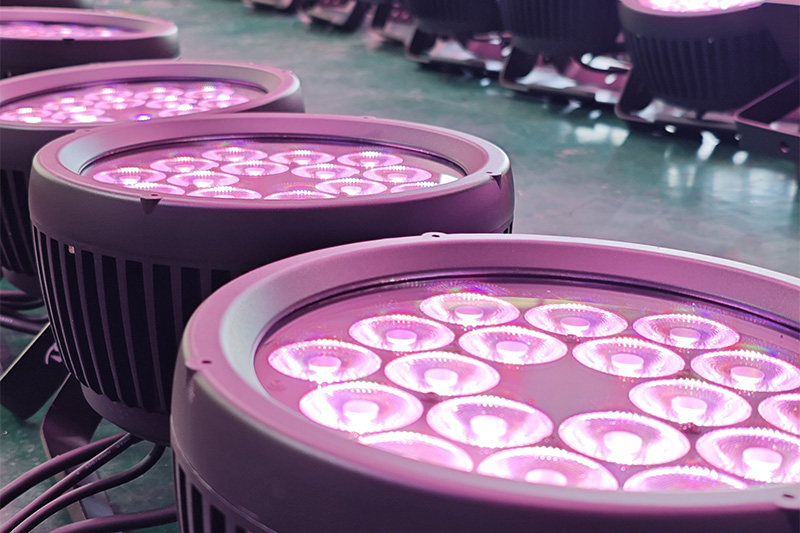
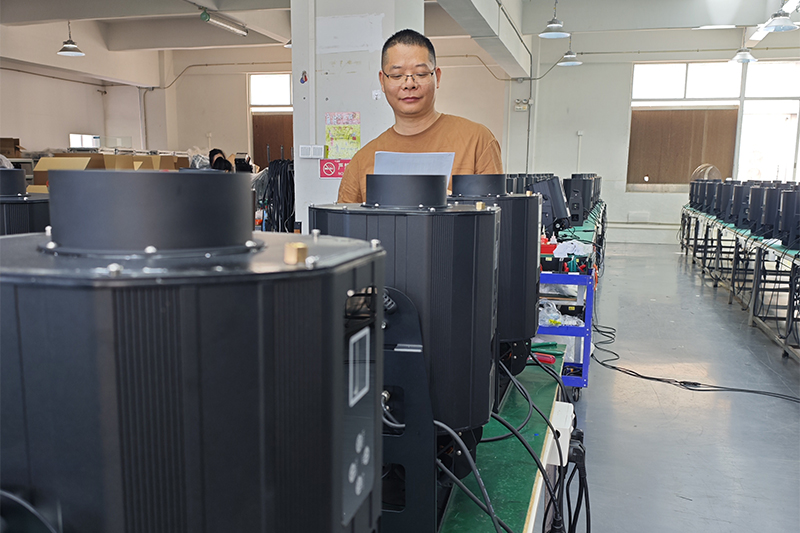
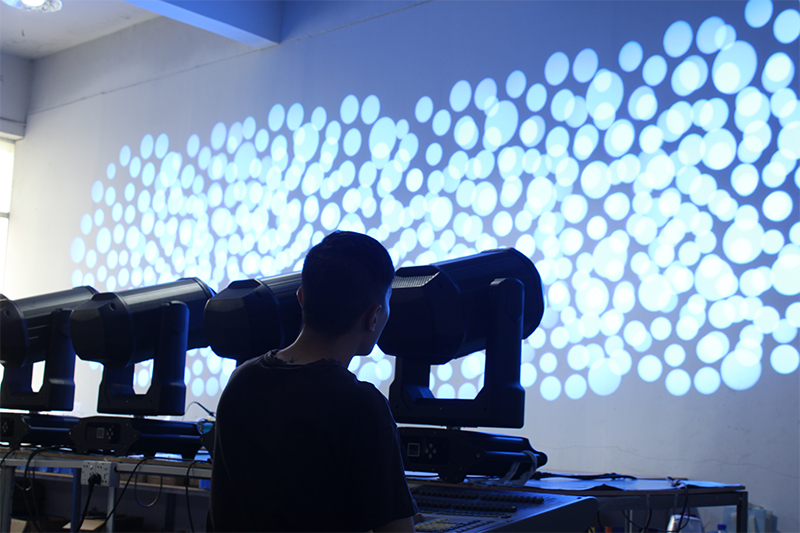
B2B lighting projects require consistency across all fixtures. To maintain quality across production runs, our facility implements a structured QA protocol:
We bin LEDs within narrow MacAdam ellipse steps (typically 3-step or 5-step). This ensures uniform color temperature across all fixtures, preventing noticeable color shifts in wash applications.
Power drivers undergo continuous thermal burn-in tests at full load before final assembly. This step checks component stability and helps minimize premature driver failure.
Fixtures designed for damp or demanding indoor areas undergo environmental testing to verify their IP ratings. We also test performance under variable current conditions.
This Q&A addresses technical queries and procurement details for commercial lighting projects:
 iTOPLITE