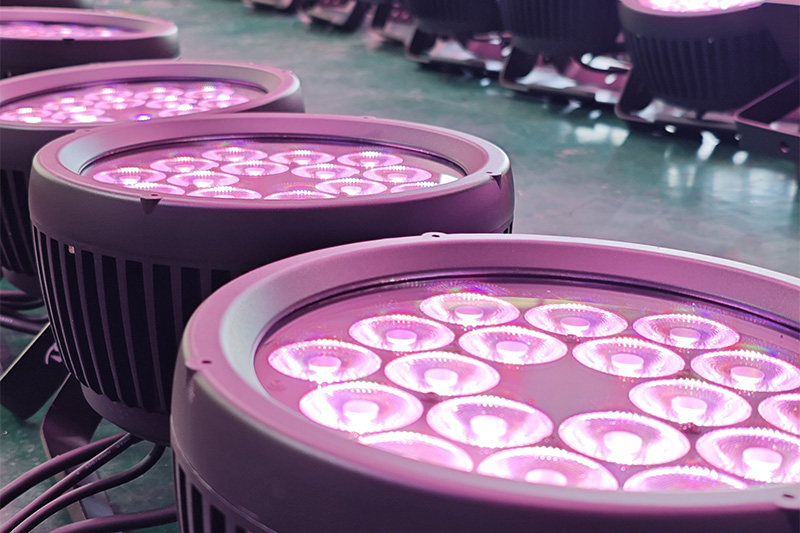
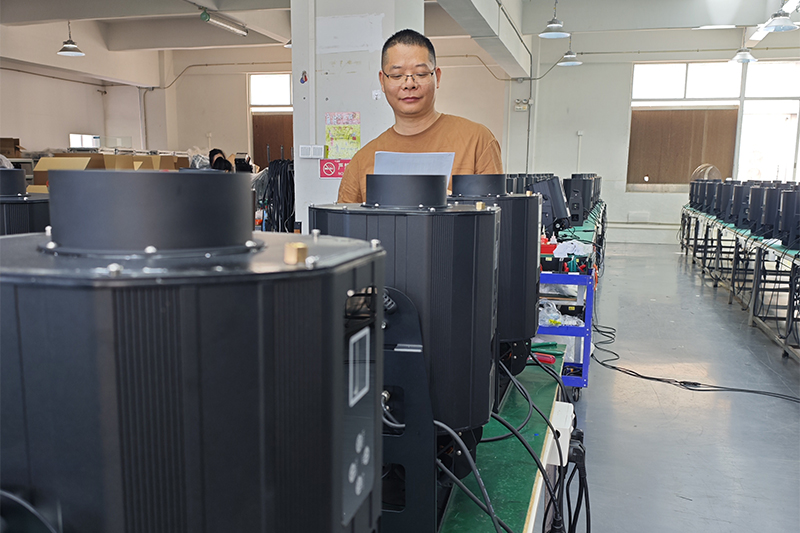
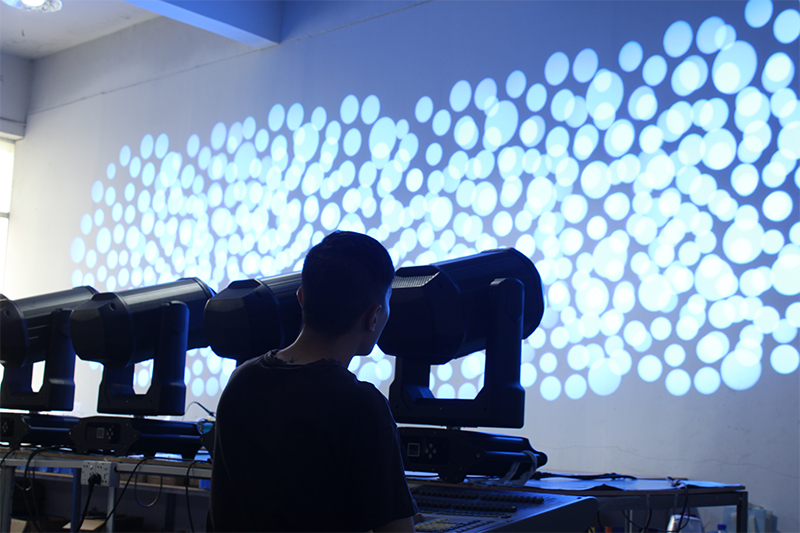
Engineered with Japanese component options, high-efficiency drivers, and superior waterproofing to withstand high humidity and sub-zero environments.
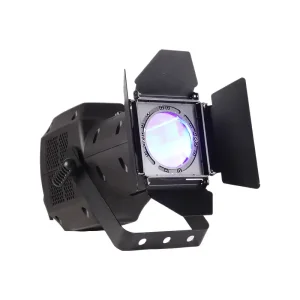
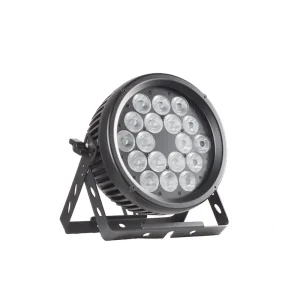
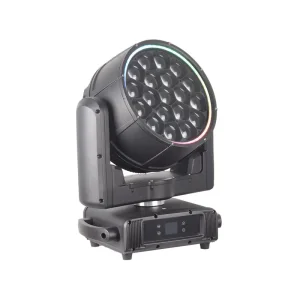
Japan’s outdoor and architectural lighting sectors represent some of the most technologically advanced and regulatory-demanding markets globally. Driven by the Ministry of Economy, Trade and Industry (METI) regulations and stringent energy conservation mandates, Japanese commercial developers, urban planners, and stage organizers demand high-efficacy systems that balance structural durability with aesthetic minimalism.
From the dense, neon-lit commercial corridors of Tokyo's Ginza and Shinjuku districts to the sensitive heritage-preservation zones of Kyoto and Nara, outdoor luminaires must deliver precise optical performance. The market focuses heavily on "light quality" (high Color Rendering Index - CRI, strict chromatic consistency, and zero glare) and "structural resilience." Standard outdoor illumination no longer suffices; developers now require smart-grid compatible, DMX512/RDM controlled systems capable of dynamic thermal adaptation.
"As urban spaces transition to intelligent smart-city networks, Japan's municipal projects require fixtures that combine IP66 protection, seismic vibration resistance, and seamless harmonic-free power integration."
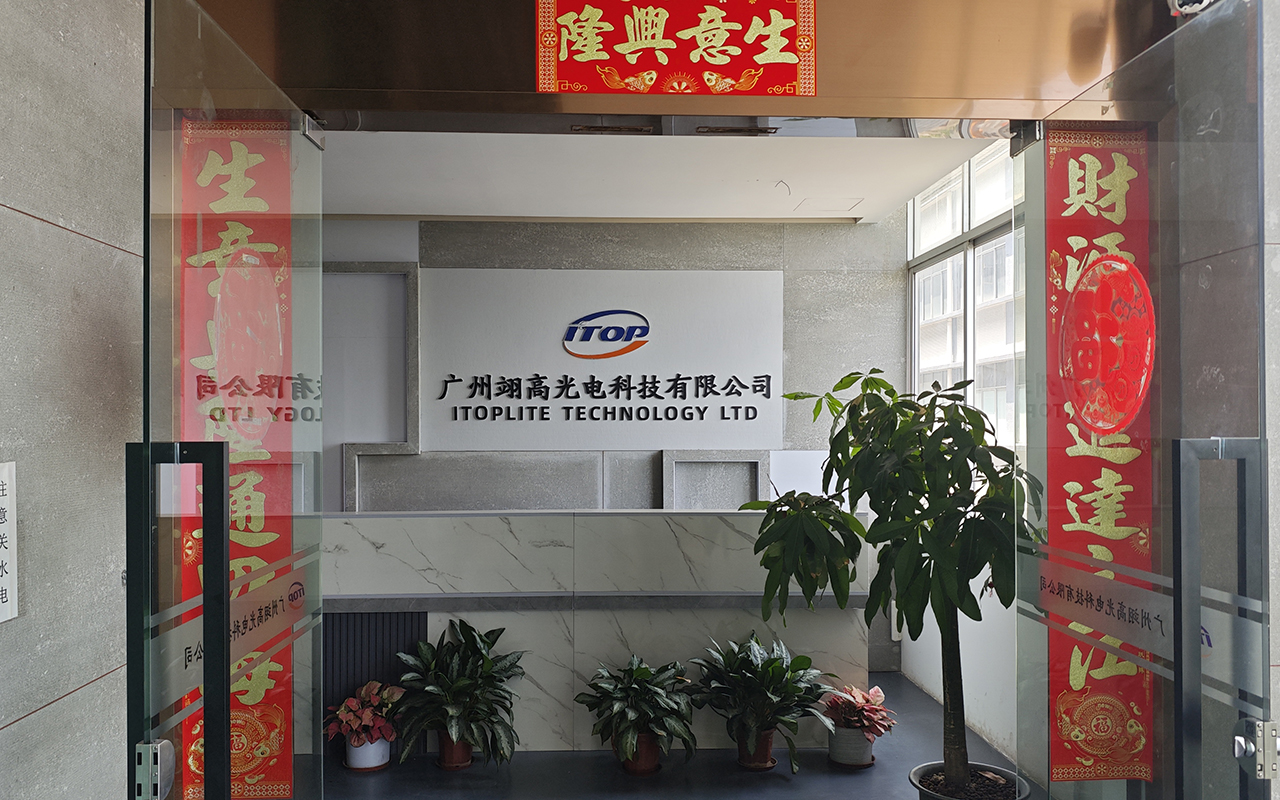
Meeting the strict safety, EMI, and environment thresholds required by Japanese municipal and private enterprises.
All electrical equipment entering Japan must satisfy the Electrical Appliance and Material Safety Law (DENAN). Our outdoor luminaires feature isolation-tested components, specific creepage distances, and thermal cut-offs to meet PSE circular requirements alongside JIS C 8105 safety standards.
Japanese electrical grids are highly sensitive to electromagnetic interference (EMI). Our power supply units are built with active Power Factor Correction (PFC > 0.95) and harmonic filters that comply with Class B limits, protecting neighboring communication networks and stage sound systems.
Unlike standard global markets using 220V grids, Japan runs on a split system: 100V for residential/light commercial and 200V for industrial applications, operating at both 50Hz (Eastern Japan/Tokyo) and 60Hz (Western Japan/Osaka). Our smart auto-sensing drivers run flawlessly across these variations.
Earthquake proofing is non-negotiable for Japan's structural designs. iTOPLITE fixtures utilize heavy-duty extruded aluminum brackets, reinforced locking clamps, and double-threaded lock rings to prevent structural fatigue and falling hazards during high-frequency seismic tremors.
IP66 and IP67 ingress ratings are standard. Our units undergo strict pressure-difference waterproof testing, utilizing CNC-milled anti-acid silicone gaskets and hydrophobic breathing valves to equalize internal pressure, preventing condensation under rapid temperature swings.
Kyoto’s municipal guidelines restrict harsh, high-kelvin white light to preserve historic heritage aesthetic. We customize our LED arrays with customized high-CRI (Ra > 90) chips and warm amber-white emitters (2200K - 2700K) to render historical textures accurately.
Established in 2014, iTOPLITE (Guangzhou iTOPLITE Optoelectronics Technology Co., Ltd.) has emerged as a prominent manufacturing enterprise within the specialized field of optoelectronics. Over the years, it has been dedicated to the production of a diverse range of high-end and mid-range products, with a particular focus on stage lights, LED lights, and comprehensive lighting solutions. The company's mission is to offer customers a seamless one-stop solution experience, catering to all their lighting requirements.
Under our core values, "Innovation creates value, win-win achieves the future," we combine strict quality assurance with advanced R&D. Holding ISO9001 and ISO14001 certifications, we align directly with the zero-defect manufacturing standard expected by Japanese businesses.
Bridging industrial manufacturing capacity in Guangzhou with just-in-time logistics and engineering support in Japan.

Operating from our optimized manufacturing facility in Guangzhou, China, iTOPLITE has direct access to the world’s most concentrated optoelectronics ecosystem. This allows us to source raw materials, design custom PCBs, and tool aluminum housings with unmatched speed. We pass this efficiency directly to our Japanese clients, delivering bespoke configurations at competitive rates.
For custom urban developments or rental companies in Tokyo and Osaka, our engineers provide complete design-to-production services. We offer structural calculations, thermal simulations, and Dialux lighting designs. This ensures that every fixture meets the exact architectural footprint and lux requirements prior to production.
With streamlined custom protocols and key logistical hubs in Guangzhou and Shenzhen, we offer fast delivery times to major Japanese ports including Tokyo, Yokohama, Nagoya, and Osaka. Standard air transport delivers urgent custom fixtures to project sites in 3–5 working days, while bulk sea freight provides a cost-effective option.
From historical light-ups to cutting-edge urban entertainment centers.
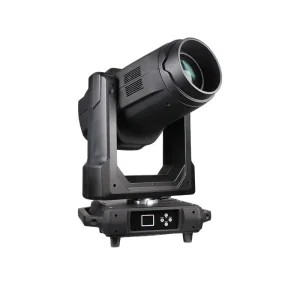
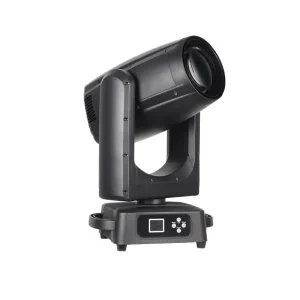
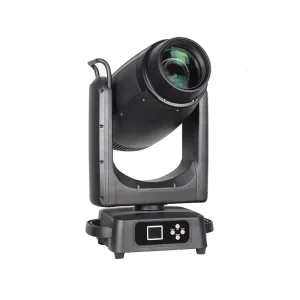
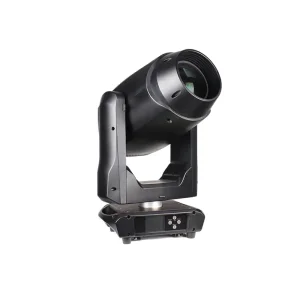
Our high-intensity, DMX-controlled moving heads and wash lights illuminate building envelopes across Tokyo. Their narrow-angle optics allow light to travel far along facades with minimal glare, keeping streets comfortable for pedestrians.
In historic cities like Kyoto, our outdoor wash lights render wood tones with warmth and accuracy. IP66 ratings ensure the fixtures operate reliably in gardens, shrines, and forest temples through all seasons.
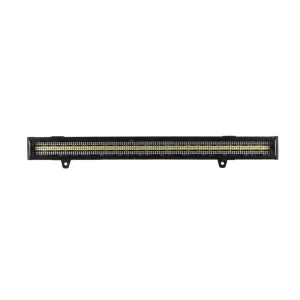
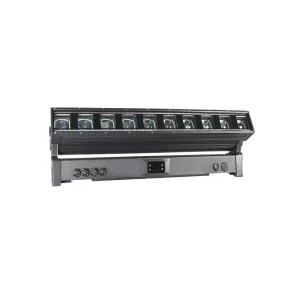
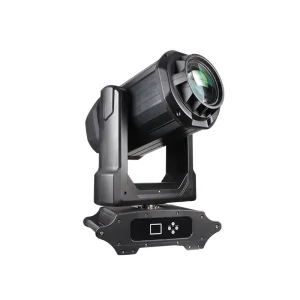
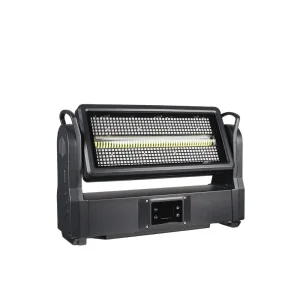
For staging, festivals, and the upcoming Osaka-Kansai Expo, our rugged moving head profile lights and waterproof strobe units withstand rough transport and heavy rains, while providing precise DMX512 and RDM control.
Engineered to meet the needs of Japanese wholesale distributors, design houses, and construction firms.
Technological shifts shaping commercial, structural, and ecological illumination frameworks.
Japanese local governments are prioritizing the preservation of natural nightscapes. Regulations require outdoor luminaires to minimize upward light pollution. Our custom optical designs redirect stray light, containing the beam spread to the target area. This supports municipal ecological efforts while delivering high-efficiency illumination for urban structures.
Maintenance in metropolitan Tokyo demands high efficiency due to labor constraints. The integration of Remote Device Management (RDM) with DMX512 controllers is now standard. RDM provides real-time diagnostic feedback, monitoring variables like chip temperatures and driver conditions. This allows operators to address issues before physical failures occur, reducing on-site maintenance costs.
Under Japan's 2050 Carbon Neutrality goals, energy budgets for architectural projects are tightly managed. Replacing old HID or low-efficiency LED systems with high-lumen-per-watt (up to 140 lm/W) systems has become a priority. iTOPLITE fixtures utilize high-efficiency chipsets and advanced thermal design, reducing power consumption while maintaining brightness.
Japan faces diverse seasonal conditions—from heavy snow and sub-zero temperatures in Hokkaido to hot, humid summers in Kyushu. Our fixtures feature magnesium-aluminum alloy heat sinks, anti-corrosion coatings, and internal heating elements. This prevents ice accumulation on lenses and maintains optimal running temperatures in summer.
Answering common inquiries from Japanese consultants, project managers, and rental businesses.
Yes. We customize our power supplies and internal circuitry to meet the specific requirements of Japan's Electrical Appliance and Material Safety Law (DENAN). Depending on the project requirements, we offer PSE-compliant power solutions and component choices designed for integration into both 100V and 200V Japanese grids.
Our fixtures are constructed with heavy-duty structural components. Mounting brackets are made from high-tensile structural steel or die-cast aluminum alloys, and we include safety tether attachments. We use locking mechanisms that resist vibration, helping fixtures stay secure and aligned during typhoons and seismic tremors.
High humidity and rapid temperature drops can cause interior condensation in sealed fixtures. iTOPLITE uses integrated Gore-grade breathing valves. These valves allow air to pass in and out to balance pressure differences while blocking water molecules and dust, keeping the optical chamber dry.
Yes. We provide spectral customization for historical and preservation areas like Kyoto. We can adjust LED arrays to warm CCT ranges (2200K - 2700K) and high color rendering indexes (CRI > 90, R9 > 50). This warm light maintains the atmosphere of historical timber and stone structures while delivering modern efficiency.
Yes, our fixtures include full Remote Device Management (RDM) capabilities over standard DMX512. This allows technicians to configure DMX addresses, change parameters, and read temperature or status sensors remotely, reducing the need for physical ladder access on site.
For standard orders, production takes 15–20 days. High-priority air shipments reach airports in Tokyo or Osaka in 3–5 days. For larger projects, we organize container shipping to major Japanese ports (Tokyo, Osaka, Nagoya, Yokohama) with a transit time of 7–12 days depending on custom clearances.
Have custom engineering specifications or urgent project timelines?
Connect with our Technical Sales Team iTOPLITE