High-performance waterproof, smart control, and directional wash illumination systems engineered for demanding industrial, commercial, and stage-level indoor installations.
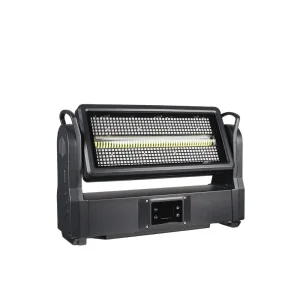
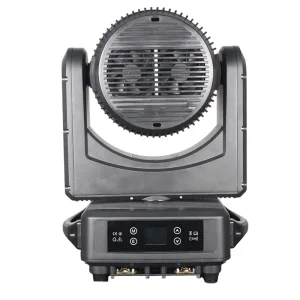
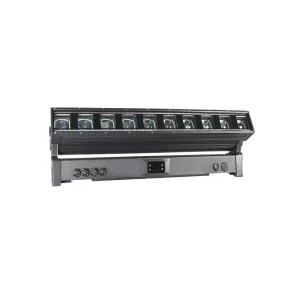
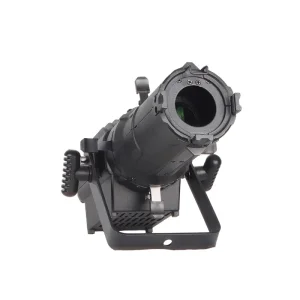
Analyzing current global demand trajectories, automated photodiode integrations, and the shift toward zero-intervention indoor lighting ecosystems.
In modern industrial and large-scale commercial facilities, the integration of automation is no longer optional. Indoor dusk-to-dawn lighting plays a crucial role in optimizing operations, specifically within logistics hubs, manufacturing zones, transport corridors, and institutional campuses. By utilizing integrated ambient photodiodes and intelligent automation microchips, modern facilities reduce their reliance on manual override schedules. This automation ensures a continuous, safe baseline level of illumination that adapts dynamically to natural ambient light shifts.
The push for Net-Zero building operations has made intelligent lighting control systems a primary focus for architects and sustainability officers worldwide. Smart lighting structures, which activate only when ambient lighting drops below predefined lux thresholds, have demonstrated the ability to lower operational electricity overheads by up to 35-50% compared to traditional scheduled lighting. Consequently, developers are actively seeking specialized, high-capacity factories capable of producing certified photocell lighting fixtures that comply with rigorous international efficiency guidelines.
Why CE compliance is vital for global supply chains, highlighting the directives that govern safety, performance, and compatibility.
| CE Compliance Directive | Scope & Technical Mandate | Industrial Testing Method | Risk Assessment Target |
|---|---|---|---|
| Low Voltage Directive (LVD) 2014/35/EU | Safety parameters for electrical equipment operating within 50–1000V AC or 75–1500V DC. | Creepage/clearance tests, dielectric strength breakdown tests, thermal degradation tests. | Prevention of user shock, short circuits, casing fires, and mechanical hazards. |
| Electromagnetic Compatibility (EMC) 2014/30/EU | Ensures sensory circuitry does not cause or succumb to electromagnetic disturbances. | Radiated emissions tests, harmonic current assessments, electrostatic discharge (ESD) immunity. | Guarantees that other wireless signals or industrial machinery won't cause the photocell sensor to fail. |
| RoHS Directive 2011/65/EU | Restricts lead, mercury, cadmium, and other hazardous materials in electronic products. | Spectrographic materials analysis and chemical documentation extraction. | Minimizes environmental contamination at end-of-life and ensures clean manufacturing lines. |
| Ecodesign Directive 2009/125/EC | Establishes energy efficiency benchmarks for energy-related products (ErP). | Lumen maintenance evaluations and standby power draw measurements. | Restricts highly inefficient standby states, ensuring control units consume minimal power. |
For procurement professionals, working with a CE-certified factory is critical to managing liability. Sourcing non-compliant fixtures can result in severe legal risks, customs delays, and safety hazards, particularly in high-density commercial spaces. CE compliance indicates that a manufacturer has systematically designed, verified, and manufactured their lighting products to meet rigorous safety and efficiency standards.
From simple cadmium-sulfide resistors to smart silicon photodiodes and IoT-integrated lighting ecosystems.
Early dusk-to-dawn sensors struggled with false triggers from indoor reflections and artificial lighting. Modern systems solve this by utilizing advanced spectral filtering, focusing solely on ultraviolet and infrared wavelengths typical of natural sunlight to trigger state changes.
Modern sensors do more than toggle on and off; they report real-time energy usage and ambient light metrics back to Central Building Management Systems (BMS) via protocols like DALI, Zigbee, and Thread.
The future of commercial lighting lies in dynamic light harvesting. In this phase, smart fixtures dim smoothly in response to incoming daylight, maintaining a consistent, optimized lux level instead of relying on basic binary switching.
Practical applications of smart, sensor-driven lighting systems across different industries.
In high-traffic transport hubs like airports, metro stations, and train terminals, lighting must adapt to 24/7 operating schedules. Sensor-driven lighting systems automatically dim during peak daylight hours near glass facades and transition to full output at night, optimizing energy efficiency without compromising passenger safety.
Large-scale logistics centers with skylights rely on sensor-driven lights to balance energy costs. When natural daylight is sufficient, high-ceiling fixtures automatically dim. If clouds pass over or night falls, the fixtures instantly scale back up to maintain safe working conditions on the warehouse floor.
Hospitals, correctional facilities, and university campuses utilize dusk-to-dawn lighting to secure stairwells, corridors, and perimeter entrances. This automation guarantees consistent illumination for security cameras and personnel during low-light hours without requiring manual monitoring.
Incorporating verified corporate capacity and manufacturing excellence into industrial supply chains.
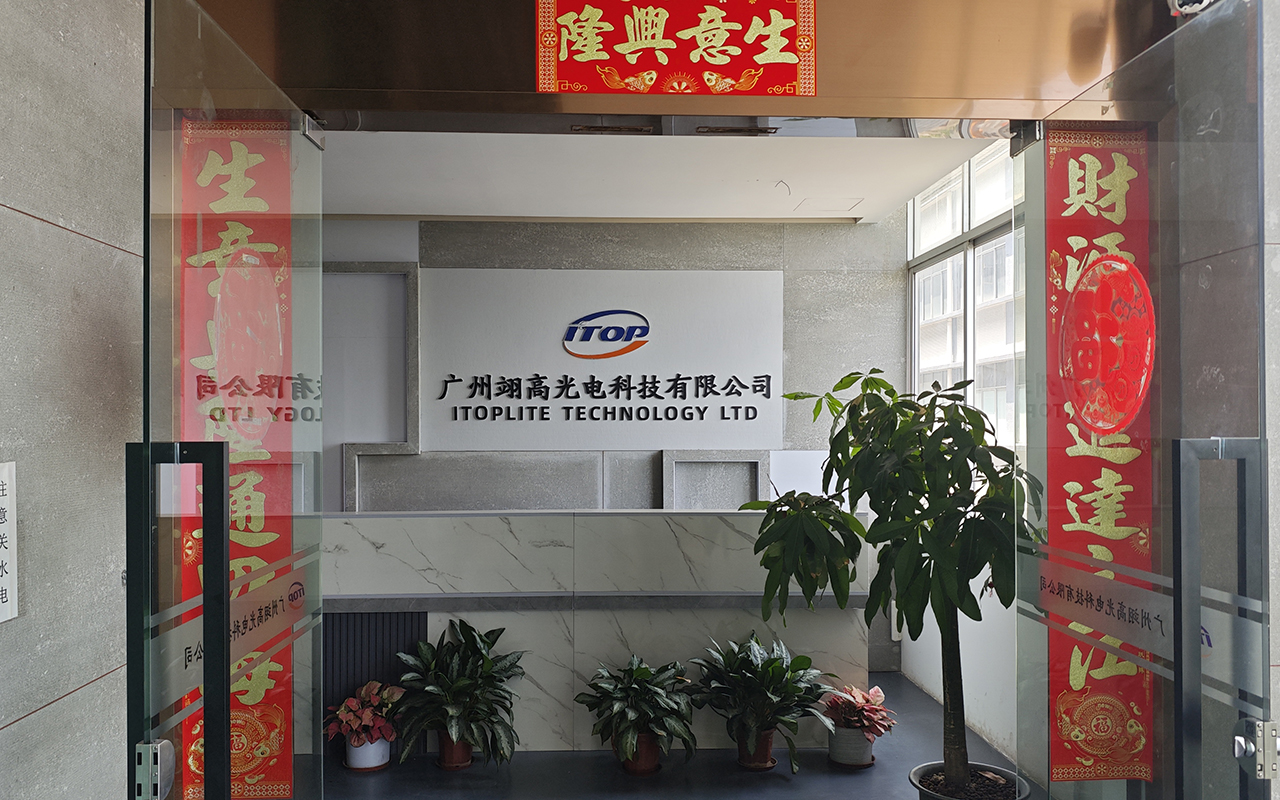
Established 2014 | Global Lighting Solutions Provider
Established in 2014, iTOPLITE (Guangzhou iTOPLITE Technology Co., Ltd.) has emerged as a prominent manufacturing enterprise within the specialized field of optoelectronics. Over the years, it has been dedicated to the production of a diverse range of high-end and mid-range products, with a particular focus on stage lights, LED lights, and comprehensive lighting solutions. The company's mission is to offer customers a seamless one-stop solution experience, catering to all their lighting requirements.
"Innovation creates value, win-win achieves the future"
"Innovation is the way to win, and integrity is the foundation of our foundation."
With an unwavering commitment to indoor and outdoor lighting for several years, iTOPLITE Optoelectronics has cultivated a robust R&D team. This team is composed of highly skilled professionals who bring with them extensive industry experience and a passion for innovation. Their collective expertise enables the company to precisely meet the diverse and often complex needs of customers, whether it pertains to elaborate stage lighting designs for grand performances or efficient and aesthetically pleasing indoor and outdoor lighting setups for various architectural and commercial spaces.
The company takes great pride in its ability to address the multifaceted challenges that customers encounter in the realm of lighting. This includes not only achieving remarkable lighting effects but also ensuring energy conservation, adhering to strict environmental protection standards, and implementing intelligent control systems. By doing so, iTOPLITE Optoelectronics creates not just illuminated spaces but truly high-quality light environments that enhance the overall experience and functionality of any given area.
ADVANTAGE: We are committed to bringing high-quality and high-purity materials to every company and research institution that needs them.
iTOPLITE Optoelectronics places a premium on product quality. Its products have successfully passed the ISO14001:2004 Environmental Management System Certification and the ISO9001 International Quality System Certification. These certifications serve as a testament to the company's unwavering dedication to maintaining the highest standards of quality in every aspect of its manufacturing process.
The company firmly believes in the power of technological innovation and places significant emphasis on R&D investment. By continuously allocating resources to research and development, iTOPLITE Optoelectronics manages to stay at the forefront of technological advancements in the optoelectronics industry. This enables them to introduce cutting-edge features and functions into their products.

iTOPLITE Optoelectronics distinguishes itself through its comprehensive service offerings. The company offers a seamless end-to-end service experience, starting from the initial design phase. Their team of experienced designers works closely with customers to understand their unique vision and requirements, translating them into customized lighting designs.
This comprehensive approach to service has earned the company a reputation for reliability and customer-centricity in the highly competitive optoelectronics market.
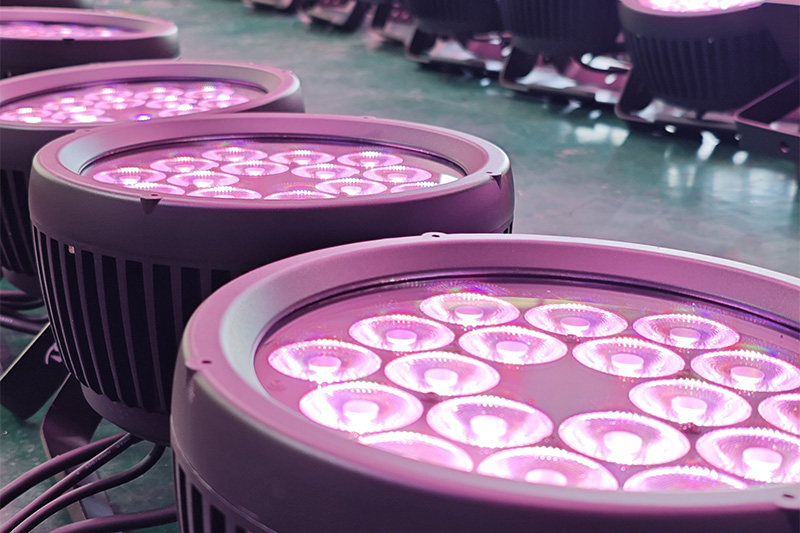
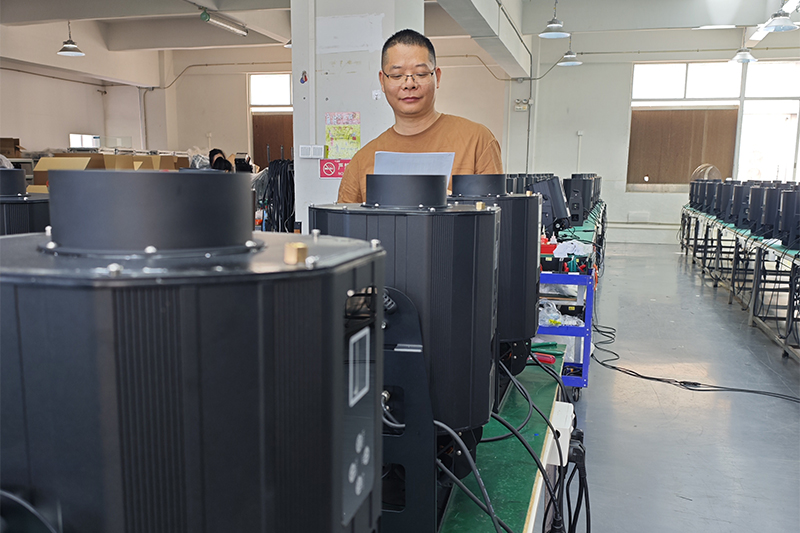
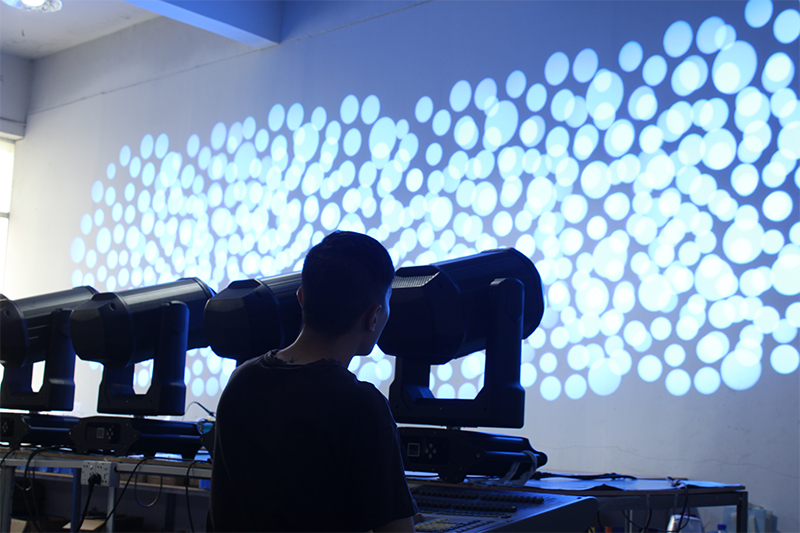
A practical engineering roadmap for integrating automated photo-responsive lighting systems into new and existing infrastructure.
Step 1: Lux Assessment — Conduct a detailed lux audit to map daylight ingress variations across your facility during different seasons.
Step 2: Zone Mapping — Group fixtures into independent zones based on daylight access. This prevents lights near windows and those in dark interior corners from sharing the same sensor loop.
Step 3: Fail-Safe Configuration — Program sensors with default fallback states. In the event of a control network failure, fixtures should automatically default to 100% output to maintain site safety.
Step 4: Smart Calibration — Set precise trigger delays (e.g., 3-5 minutes) within the control software to prevent false triggers from passing clouds or temporary reflections.
Integrating dusk-to-dawn sensors with existing building management systems requires careful protocol selection. Modern options range from wired DALI loops for maximum reliability to wireless Zigbee mesh networks for cost-effective retrofits.
When configuring these integrations, priority should be given to energy monitoring and diagnostic feedback loops. Sourcing fixtures from certified manufacturers ensures seamless communication with standard commercial controllers, reducing commissioning times and preventing post-installation compatibility issues.
Technical answers to help engineering, procurement, and project management teams select compliant, high-performance lighting systems.
To earn CE certification, fixtures undergo a series of tests to verify compliance with key directives. Under the Low Voltage Directive (LVD), products are tested for dielectric insulation resistance, thermal stability, and mechanical strength to prevent electrical hazards. The Electromagnetic Compatibility (EMC) directive requires testing for both emissions and immunity, ensuring the fixture's sensor circuitry doesn't emit disruptive interference or fail when exposed to electrical noise from nearby industrial equipment.
Modern photodiode sensors utilize spectral filters to detect specific light wavelengths. Natural daylight contains a unique balance of ultraviolet (UV) and infrared (IR) light compared to artificial sources. The control microprocessor evaluates these spectrum ratios, allowing it to ignore indoor reflections and ambient artificial light to prevent accidental shutdown of the light path.
An ISO9001 certification demonstrates that a manufacturer operates under a standardized quality management system. Every stage of production—from raw material testing to final product assembly and compliance auditing—is documented and controlled. This consistency helps prevent component failures and ensures long-term reliability in high-volume commercial installations.
Yes. Heavy-duty wash and spot fixtures can be converted for automated dusk-to-dawn use by routing their DMX/DALI control lines through a centralized photo-responsive controller, or by installing an integrated photocell bypass loop directly into the driver housing. This enables high-output commercial fixtures to function as automated safety lighting during off-peak hours.
Non-RoHS compliant fixtures often contain hazardous materials such as lead, mercury, or polybrominated biphenyls. These elements pose environmental risks during disposal and can create safety and regulatory issues within corporate supply chains, especially in regions with strict environmental enforcement like the European Union.
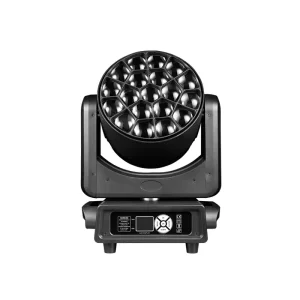
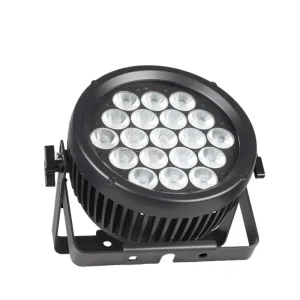
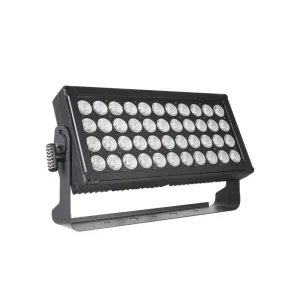
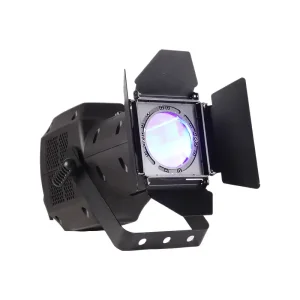
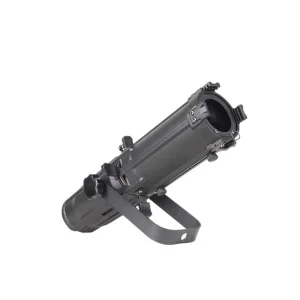
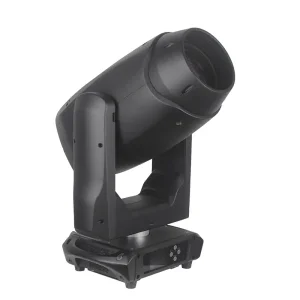
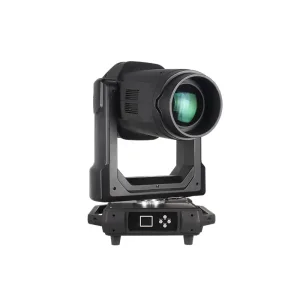
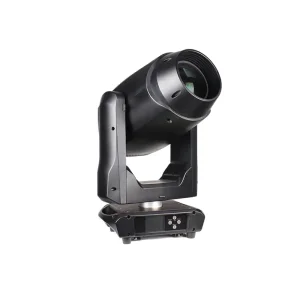
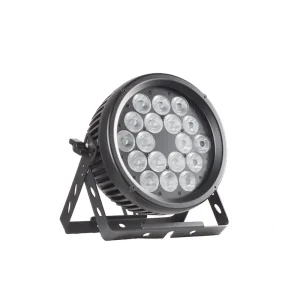
Explore our line of adjustable spotlights, moving-head units, and high-wattage waterproof wash lights designed for precision control and demanding environmental conditions.
 iTOPLITE