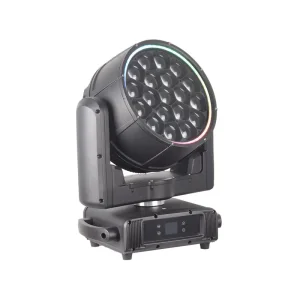
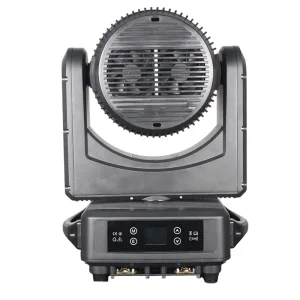
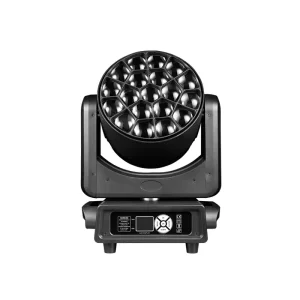
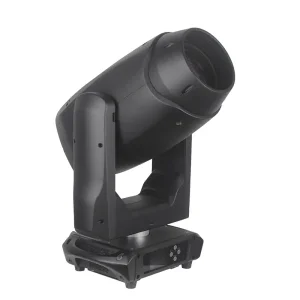
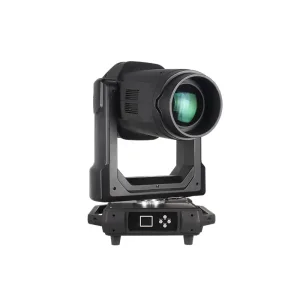
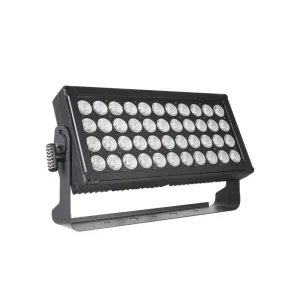
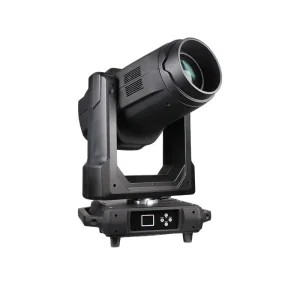
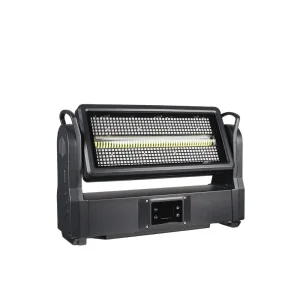
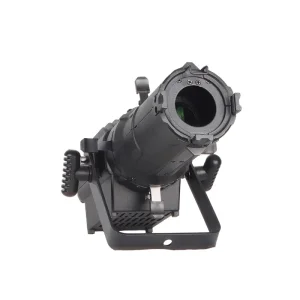
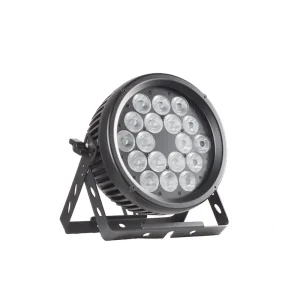
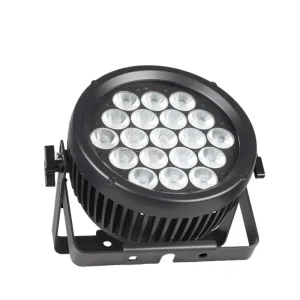
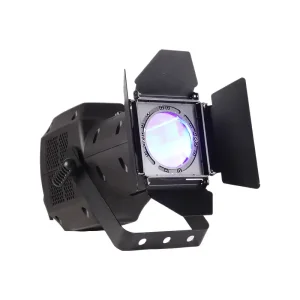
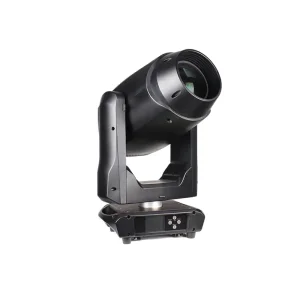
Explore our heavy-duty architectural and stage lighting systems built for the most demanding environments
Established in 2014, iTOPLITE has emerged as a prominent manufacturing enterprise within the specialized field of optoelectronics. Over the years, it has been dedicated to the production of a diverse range of high-end and mid-range products, with a particular focus on stage lights, LED lights, and comprehensive lighting solutions. The company's mission is to offer customers a seamless one-stop solution experience, catering to all their lighting requirements.
Innovation creates value, win-win achieves the future
Innovation is the way to win, and integrity is the foundation of our foundation.
A comprehensive metallurgical guide to achieving aesthetic perfection, maintaining passivation layers, and extending the operational lifecycle of architectural and fixture components.
Stainless steel derives its corrosion-resistant properties from a microscopic, self-healing layer of chromium oxide (Cr2O3) formed on its surface. When fabricating high-end stage lighting fixtures (such as the IP66 LED waterproof wash lamps), brushed stainless steel (often Grade 304 or 316) is selected for its robust mechanical properties and high resistance to oxidation. The process of brushing introduces unidirectional micro-grooves that scatter light, producing a premium matte aesthetic. However, improper polishing can damage the passivation layer, leading to localized crevice corrosion and pitting. Understanding how to polish brushed stainless steel without disrupting its structural integrity is critical for both manufacturers and field engineers.
To restore or refine the finish on brushed stainless steel without compromising the material's properties, follow this industry-standard progression:
Step 1: Surface Preparation and Degreasing: Before any abrasive contact, clean the steel surface thoroughly using an alkaline-based degreaser or an isopropyl alcohol (IPA) solution. Any embedded particulate matter or oils will act as wild contaminants, creating deep, uncorrectable scratches during the polishing phase.
Step 2: Grain Alignment: Always identify the "grain" (the direction of the original brushing). Polishing perpendicular to the grain will ruin the texture and diminish the surface quality. All mechanical motions must run parallel to these existing microscopic lines.
Step 3: Progressive Abrasive Application: For light restoration, utilize non-woven abrasive pads (such as medium to fine-grit silicon carbide or aluminum oxide pads). If deep scratches must be removed, begin with 240-grit sandpaper, advancing to 320-grit, and finishing with 400-grit. Lubricate the surface with water or a specialized cutting compound to reduce frictional heat, which can cause thermal tinting (a discoloration of the chromium oxide layer).
Step 4: Chemical Passivation (The Crucial Step): After polishing, the newly exposed metal must rebuild its protective chromium oxide barrier. Apply a citric or nitric acid-based passivating gel. This chemical process selectively removes free iron from the surface, leaving a chromium-rich surface layer that naturally oxidizes in the air to restore maximum corrosion resistance.
For high-volume factories and field maintenance crews, using the correct tools ensures consistency and efficiency:
Different environments present unique chemical challenges. Here is how our premium materials perform globally.
Highly saline maritime environments accelerate galvanic corrosion. Using 316-grade brushed stainless steel enclosures, polished and passivated with specialized techniques, ensures that waterproof wash lights survive salt mist and marine humidity without pitting.
Intense UV exposure combined with abrasive blowing sands can strip standard coatings. A high-quality brushed finish allows easy localized repair of sand-scratched surfaces directly on-site using simple hand tools, preserving the aesthetic integrity of high-power outdoor moving heads.
Historic structures require clean, low-maintenance lighting fixtures that blend into the architecture. Electropolished and brushed stainless housings provide a sleek, neutral reflection profile that reduces visual clutter while resisting local environmental pollutants.

The convergence of material science and optoelectronic design demands continuous innovation. Our current technical roadmap outlines transition pathways toward self-healing surfaces and ultra-rugged architectures:
Phase 1: Nano-Passivation Technology: We are pioneering the integration of silane-based organic nano-coatings over brushed surfaces to create a hydrophobic barrier that repels water and prevents mineral scale buildup on outdoor fixtures.
Phase 2: Automated Laser Texturing: Transitioning from traditional mechanical abrasives to ultra-precise laser brushing. This technology eliminates micro-cracks where chloride ions can accumulate, drastically improving resistance to stress corrosion cracking (SCC).
Phase 3: Eco-Friendly Metal Finishing: Advancing our zero-VOC polishing lines in our China manufacturing plant, aligned with ISO14001 guidelines to produce clean, sustainable industrial housings.
Combining world-class engineering, premium materials, and China's most robust optoelectronic supply chain.
iTOPLITE Optoelectronics places a premium on product quality. Our products have successfully passed the ISO14001:2004 Environmental Management System Certification and the ISO9001 International Quality System Certification. From the careful selection of raw materials to the precise assembly and rigorous quality control checks, each step is meticulously monitored to ensure that customers receive products that are not only reliable but also built to last.
We firmly believe in the power of technological innovation and place significant emphasis on R&D investment. By continuously allocating resources to research and development, iTOPLITE Optoelectronics manages to stay at the forefront of technological advancements in the optoelectronics industry. Whether it's the latest in LED lighting technology, advanced control algorithms for intelligent lighting systems, or novel designs for enhanced lighting effects, we push the boundaries.
We offer a seamless end-to-end service experience, starting from the initial design phase. Our experienced designers work closely with customers to understand their unique vision and requirements, translating them into customized lighting designs. We also provide professional installation advice and reliable maintenance and after-sales support, promptly addressing any issues that may arise to ensure long-term satisfaction.
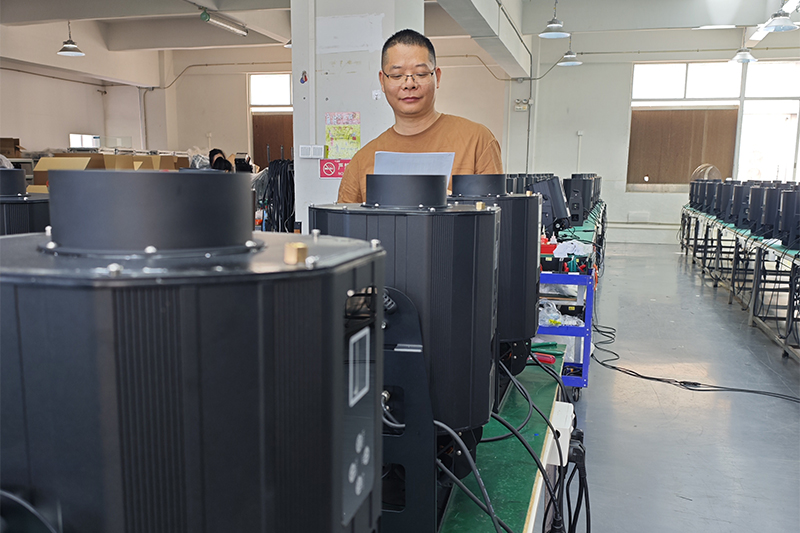
Operating from Guangzhou, the global epicenter of optoelectronic and structural manufacturing, iTOPLITE enjoys unmatched supply chain resilience. Our facility maintains deep partnerships with local raw material suppliers, high-precision CNC metal fabricators, and advanced finishing factories. This geographic clustering allows us to source premium materials, execute complex brushed stainless steel polishing, and assemble high-performance lighting fixtures with minimized lead times. We mitigate global supply chain bottlenecks by holding strategic reserves of key electronic components and maintaining agile production lines that can quickly scale to meet large-volume commercial orders.
With an unwavering commitment to indoor and outdoor lighting for several years, iTOPLITE Optoelectronics has cultivated a robust R&D team. This team is composed of highly skilled professionals who bring with them extensive industry experience and a passion for innovation. Their collective expertise enables the company to precisely meet the diverse and often complex needs of customers, whether it pertains to elaborate stage lighting designs for grand performances or efficient and aesthetically pleasing indoor and outdoor lighting setups for various architectural and commercial spaces.
The company takes great pride in its ability to address the multifaceted challenges that customers encounter in the realm of lighting. This includes not only achieving remarkable lighting effects but also ensuring energy conservation, adhering to strict environmental protection standards, and implementing intelligent control systems. By doing so, iTOPLITE Optoelectronics creates not just illuminated spaces but truly high-quality light environments that enhance the overall experience and functionality of any given area.
This comprehensive approach to service has earned the company a reputation for reliability and customer-centricity in the highly competitive optoelectronics market.
Get professional answers to technical queries regarding surface finish restoration, corrosion prevention, and hardware selection.
To preserve the brushed aesthetic, you must always align your polishing stroke parallel to the original grain direction. Use non-woven abrasive pads or 320 to 400-grit sandpaper lubricated with light cutting paste. Avoid high-speed orbital buffers or steel wool, as they create swirl marks and introduce carbon contamination that causes rust.
Mechanical polishing strips away the protective chromium oxide layer ($Cr_2O_3$) and exposes raw iron. Passivation with an acid gel (like citric or nitric acid) removes free iron from the surface, allowing a high-purity, uniform oxide layer to reform quickly. Without this, polished stainless steel will oxidize and rust rapidly in outdoor environments.
No, you should never use carbon steel wool on stainless steel. It leaves tiny particles of carbon steel embedded in the surface of the stainless steel. When exposed to moisture, these particles oxidize, creating immediate unsightly rust spots (known as contamination rust) and compromising the underlying metal structure.
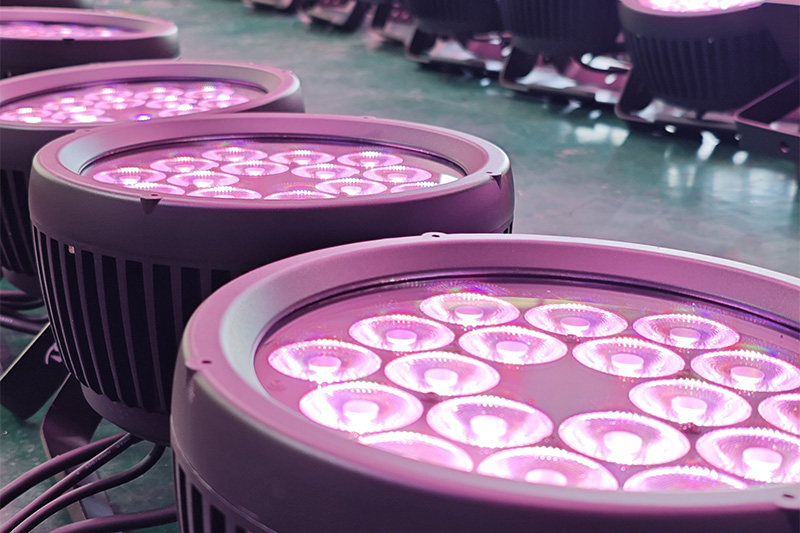
We use high-purity aluminum and premium grade brushed stainless steel for our structural components. Our outdoor housings feature IP65 and IP66 certified seals, high-grade anti-corrosive hardware, and undergo exhaustive thermal and humidity chamber testing during the QC cycle, backed by ISO9001 protocols.
Yes, our products carry CE certification and incorporate standard DMX512 controls. We engineer our stage and wash lights to integrate seamlessly with global staging consoles, providing stable long-term performance across professional lighting setups worldwide.
Guaranteed structural reliability and cutting-edge optical distribution technology
 iTOPLITE